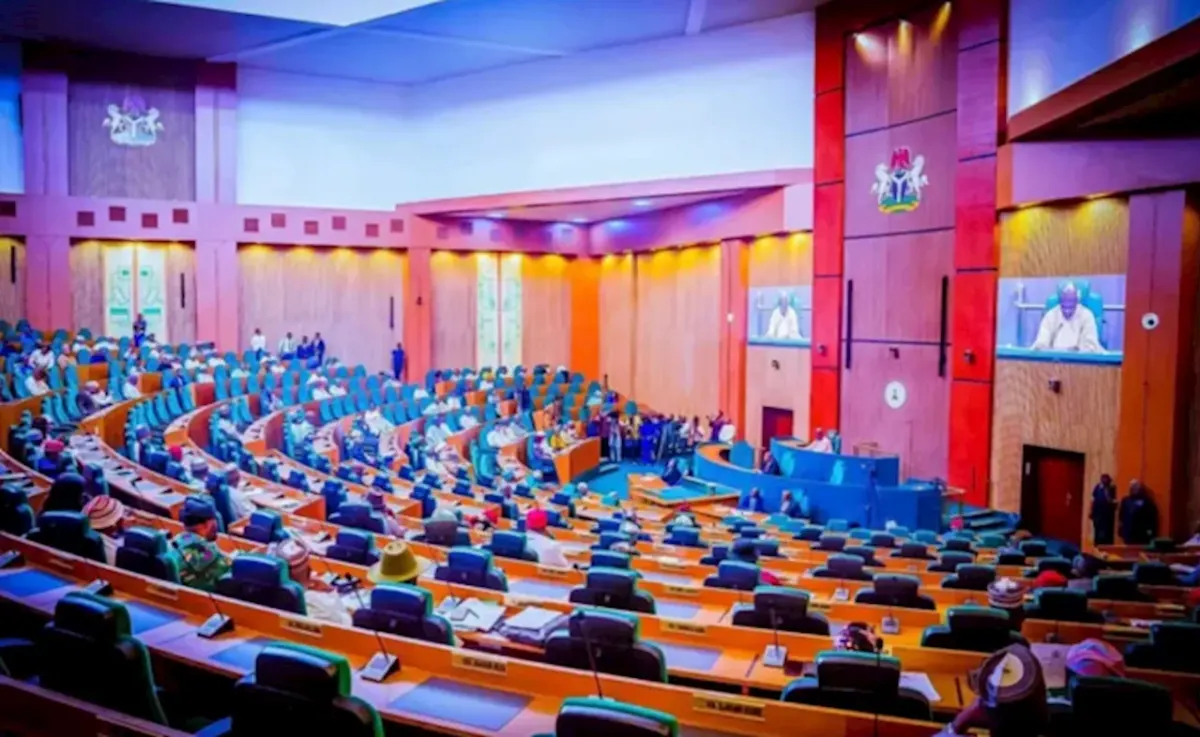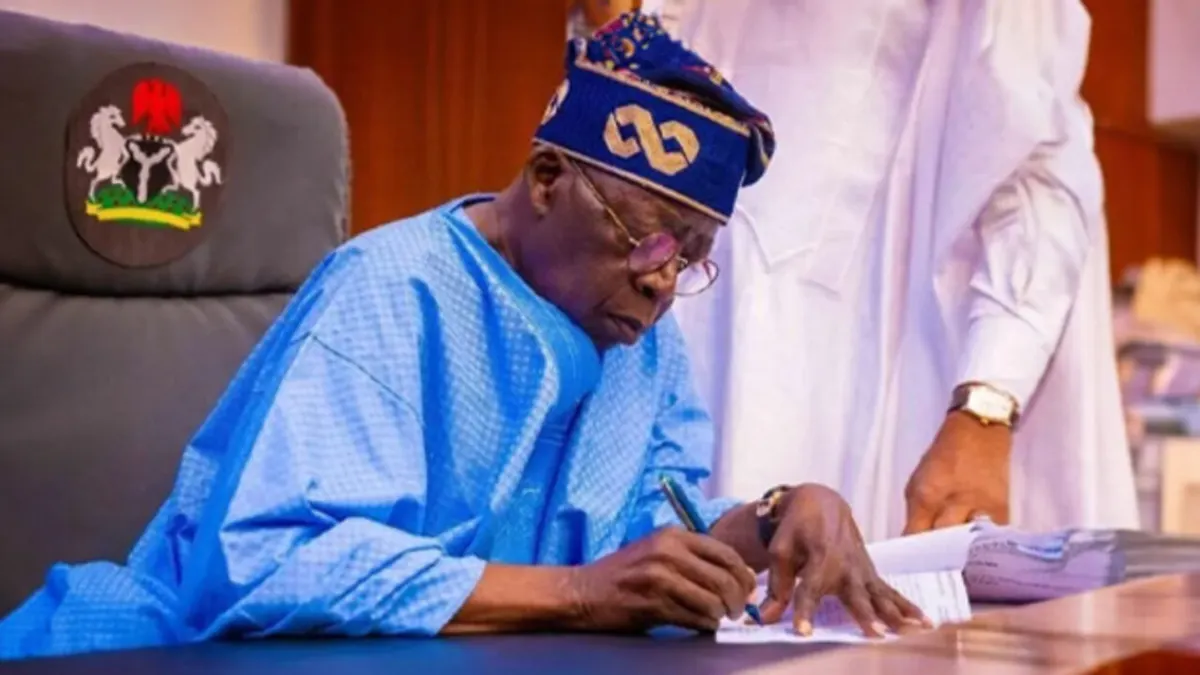
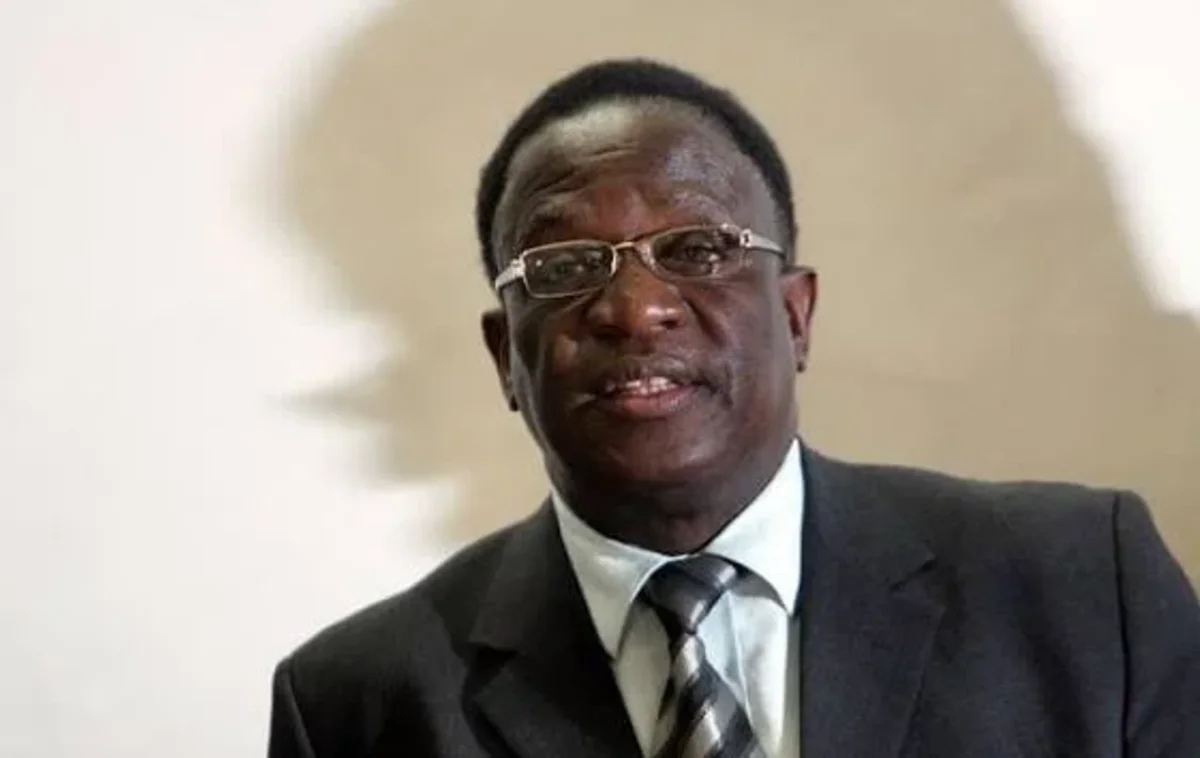
Zimbabwe’s Senate passed a constitutional amendment that will keep President Emmerson Mnangagwa in power until 2030. The vote was 75 in favour and four against. The bill now moves to Mnangagwa for his signature. Once signed it will become law.
The amendment extends presidential and parliamentary terms from five years to seven. It also removes direct presidential elections. Parliament will now appoint the president. This reverses a system introduced in 1987. Critics call the move a constitutional coup. The ruling Zanu-PF party controls both legislative chambers. It has governed Zimbabwe since independence in 1980.
Mnangagwa came to power in 2017 after a military-backed coup removed Robert Mugabe. Mugabe had ruled for 37 years. Mnangagwa won two five-year terms in 2018 and 2023. The new law will extend his final term to 2030. The government claims the change will bring political stability and policy continuity. It says development programmes need longer timelines to complete.
Opposition groups and human rights organisations reject these claims. They say the amendment is designed to entrench Zanu-PF’s grip on power. Reports of violence and intimidation have surfaced. Human Rights Watch documented cases of police and unidentified armed men harassing opponents. Legal challenges to block the amendment have failed. The judiciary has not intervened to stop the process.
The shift from direct elections to parliamentary appointment marks a return to pre-1987 governance. That system was abandoned to strengthen democratic participation. The change removes a key check on executive power. It concentrates authority in the hands of the ruling party. Zimbabwe’s opposition has been weakened by years of repression. This makes it unlikely they can challenge the amendment effectively.
The amendment’s passage reflects broader regional trends. Several African nations have seen leaders extend their terms through constitutional changes. Rwanda, Uganda, and Burundi have all amended their constitutions to allow longer presidential tenures. These moves often trigger protests and international condemnation. In Zimbabwe the process has been quieter. The government has suppressed dissent through arrests and media restrictions.
The economic implications of the amendment are significant. Zimbabwe faces severe inflation and unemployment. The local currency has collapsed. International investors remain wary of political instability. Extending Mnangagwa’s term may provide short-term continuity. But it risks deepening long-term economic stagnation. Investors prefer predictable transitions of power. The amendment signals the opposite.
The amendment also raises questions about Zimbabwe’s international standing. The African Union and Southern African Development Community have not commented. Western nations are likely to criticise the move. The United States and European Union have previously imposed sanctions on Zimbabwean officials. These could be expanded if the amendment is seen as a power grab. The government’s claim of stability may not convince sceptical observers.