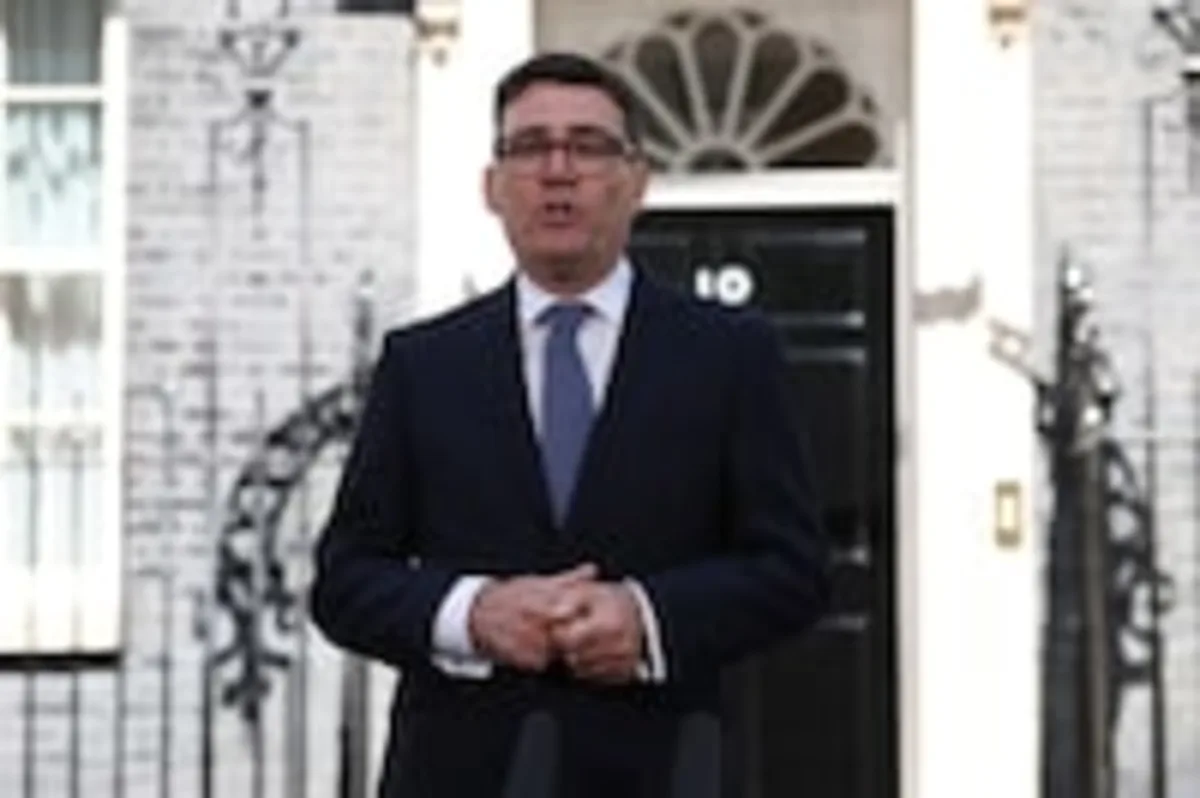
Andy Burnham became Britain’s sixth prime minister in a decade on Monday. He inherited a Labour government that won power in a landslide two years ago but lost public trust amid economic stagnation. His first act was a promise to end rough sleeping across England. The pledge carries immediate political weight. It also exposes deep institutional fractures that have allowed homelessness to rise despite repeated government vows to tackle it.
Burnham stood outside 10 Downing Street and announced an extra £340 million over three years. The money will fund 1,200 new homes and support 3,000 people over five years. Officials said the cash comes from unused parts of the housing department’s budget. The move mirrors the “Everyone In” policy launched during the Covid pandemic. That scheme temporarily housed 37,000 rough sleepers. Critics note the same policy was abandoned when emergency funding ended. Homelessness rates then rebounded sharply.
The new prime minister’s record in Greater Manchester offers a mixed template. As mayor from 2017, Burnham cut rough sleeping by two-thirds in his first five years. He achieved this by forcing local councils to share data. A person sleeping in Bolton could be tracked if they moved to Manchester. He also pressured landlords to stop evicting tenants for minor offences. These measures reduced street homelessness but did not eliminate it. In the past four years, rough sleeping in Greater Manchester rose again. It now stands at three-quarters of the 2017 level.
Opposition politicians seized on the inconsistency. James Cleverly, the shadow housing secretary, accused Burnham of shifting focus away from homelessness once initial gains were made. Cleverly also claimed the new funding would drain resources from local projects. Burnham’s team countered that the £340 million is additional money. They said it will not divert funds from existing schemes. The dispute highlights a structural flaw in Britain’s homelessness policy. National pledges often clash with local budget constraints. Councils face rising costs and shrinking grants. They must balance homelessness prevention against other statutory duties like social care and education.
Burnham’s plan relies on a “big tent” approach. He wants national and local government to collaborate. This model worked in Greater Manchester. It brought together councils, faith groups and charities. Yet scaling it nationally presents new challenges. England has 333 local authorities. Each has different priorities and funding levels. A single policy may not fit all. The government’s own data shows rough sleeping varies widely by region. London accounts for nearly half of all cases. Rural areas report fewer rough sleepers but face different obstacles. Transport links are poor. Shelters are scarce. Burnham’s team has not explained how the new money will address these regional disparities.
The prime minister’s pledge also ignores a deeper economic reality. Rough sleeping is rising because housing costs are outpacing wages. The average UK rent increased by 10% last year. Social housing waiting lists now exceed 1.2 million households. Burnham’s £340 million will build 1,200 homes. That is a fraction of the need. The previous government allocated £3.5 billion to halve rough sleeping. It failed. The new funding is less than 10% of that amount. Critics argue Burnham is setting himself up for the same failure. His team insists the money is a down payment. They say more funding will follow if the scheme shows results. This conditional approach risks leaving thousands on the streets while the government waits for proof.
Burnham’s speech also revealed a tactical shift in Labour’s messaging. He framed homelessness as a moral failure of the state. This contrasts with the previous government’s focus on individual responsibility. The change reflects Labour’s broader strategy to rebuild trust in public institutions. Yet it also raises expectations. If Burnham fails to deliver, his government could face a backlash. Homelessness charities have welcomed the pledge but warned that political will must outlast the initial funding. They point to past schemes that collapsed when ministers changed or budgets were cut. Burnham’s challenge is to turn a short-term promise into a long-term system.
The prime minister’s first test will come in the autumn spending review. He must persuade the Treasury to allocate more money for housing. He must also convince local councils to adopt his model. Both tasks are difficult. The Treasury is under pressure to reduce public debt. Councils are struggling with their own financial crises. Burnham’s success will depend on whether he can align these competing interests. His record in Greater Manchester suggests he can force collaboration. But national politics is more complex. The stakes are higher. The clock is ticking.