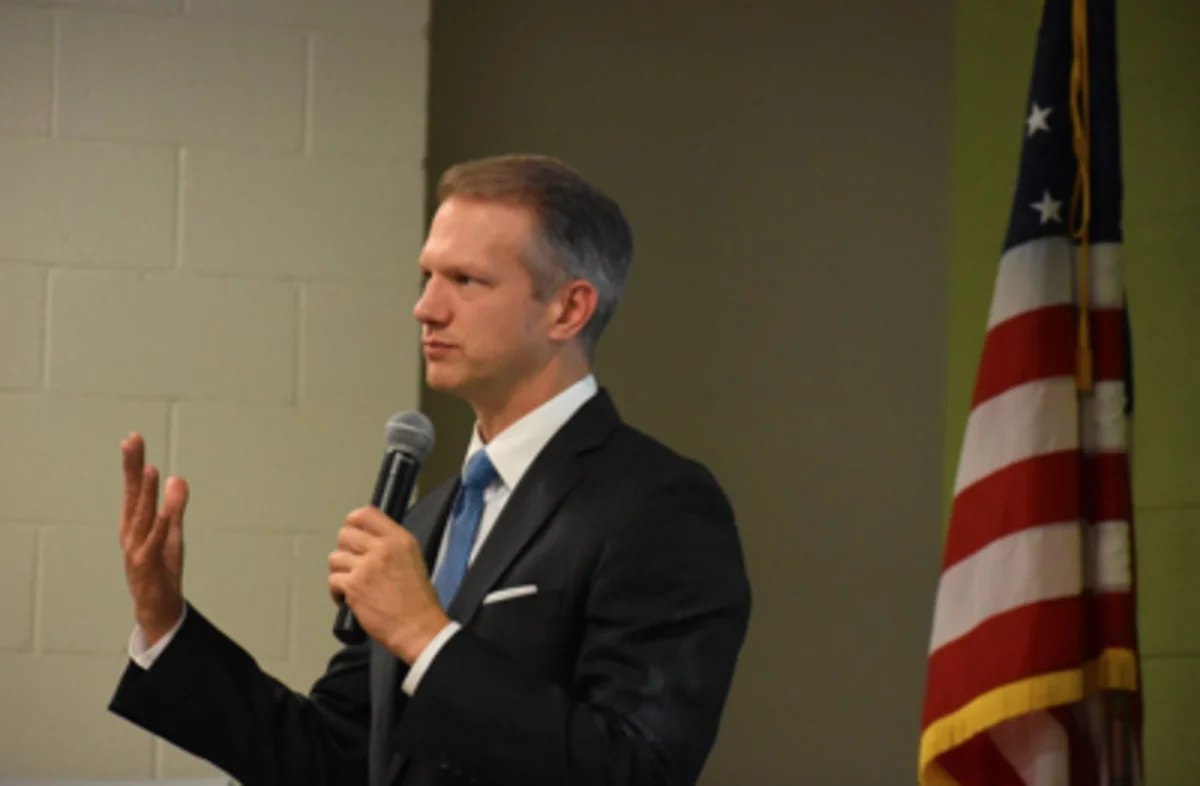
The United States has issued an unequivocal warning to Nigeria’s political establishment. Congressman Riley Moore, speaking for the Trump administration, declared that Washington will subject the 2027 general elections to rigorous scrutiny. His statement, delivered during an engagement with the Nigerian-American community, marks a deliberate escalation in diplomatic pressure. Moore framed the elections as a test of Nigeria’s democratic resilience. He linked electoral credibility to regional security, economic stability, and the integrity of governance across Africa.
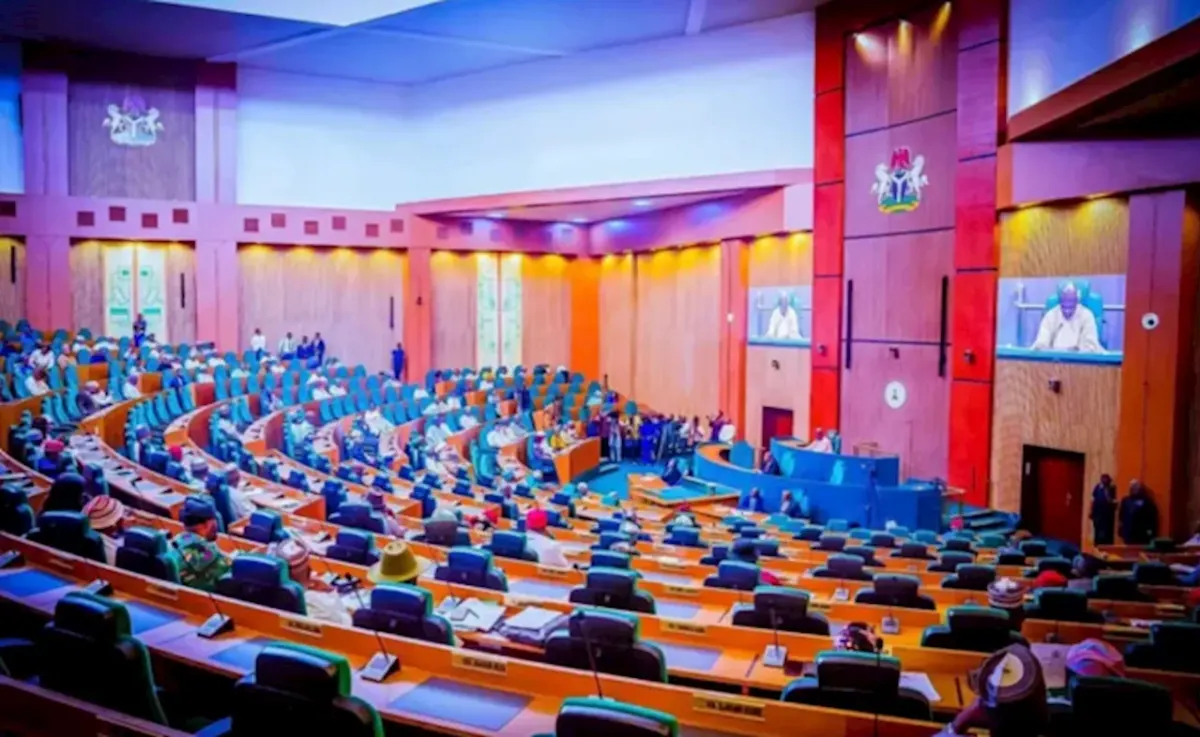
The timing of Moore’s intervention is deliberate. Nigeria’s political landscape is already fracturing ahead of the polls. Major parties are forging alliances, positioning presidential aspirants, and recalibrating campaign strategies. The Independent National Electoral Commission has fixed the presidential election for January 16, 2027, with governorship and state assembly votes following on February 6. Yet the electoral framework remains contested. Public debates rage over INEC’s independence, the deployment of technology, campaign financing, and the spectre of vote buying. Security agencies face scrutiny over their role in safeguarding or undermining the process. Moore’s remarks amplify these concerns, signalling that the US will assess not just election day logistics but the entire electoral cycle.
The US has a long history of monitoring Nigerian elections. International observers have consistently evaluated voter participation, transparency, and compliance with democratic standards. The US has provided technical assistance, election observation missions, and governance programmes. However, Moore’s statement introduces a new dimension. The Trump administration is embedding electoral oversight into broader bilateral relations. The US House Appropriations Committee has already approved provisions in its State Department funding bill that impose conditions on financial assistance to Nigeria. Half of the funds earmarked for Nigeria under foreign assistance programmes are now subject to specific benchmarks. These include assessments of Nigeria’s compliance with international religious freedom obligations and measures to protect vulnerable communities.
Moore’s legislative activism extends beyond appropriations. He is a co-sponsor of the Nigeria Religious Freedom and Accountability Act of 2026. The bill, introduced alongside Congressman Chris Smith, mandates periodic reports to Congress on religious persecution and mass atrocities in Nigeria. It requires the US Secretary of State to evaluate Nigeria’s security assistance, sanctions, and humanitarian support. Moore has described the bill’s provisions as “strong” and “aggressive.” He confirmed that the legislation is likely to pass, binding future US-Nigeria relations to strict accountability measures. His comments reveal a strategic shift. The US is no longer content with passive observation. It is leveraging financial and diplomatic tools to shape Nigeria’s electoral and governance outcomes.
This shift reflects deeper structural tensions in US-Nigeria relations. The Trump administration has grown increasingly critical of Nigeria’s governance failures. The US has expressed concerns over corruption, human rights abuses, and the persecution of religious minorities. Moore’s dinner with President Trump, scheduled for the same day as his public remarks, underscores the administration’s prioritisation of Nigeria. The US sees Nigeria as a pivotal state in Africa. Its electoral integrity is seen as a barometer for democratic stability across the continent. Yet Nigeria’s democratic institutions remain fragile. The 2023 elections were marred by logistical failures, violence, and allegations of manipulation. The 2027 polls will unfold against a backdrop of economic crisis, escalating insecurity, and public disillusionment with the political class. The US is positioning itself as a watchdog, but its role is not without controversy. Critics argue that US oversight could be perceived as interference, undermining Nigeria’s sovereignty.
Moore’s statement also exposes a critical gap in Nigeria’s electoral preparedness. The country’s political parties are already locked in strategic calculations, but the institutional framework for credible elections remains weak. INEC’s independence is frequently questioned. The judiciary, tasked with resolving electoral disputes, is often accused of political bias. Security agencies have been implicated in past electoral violence. Civil society organisations, which play a crucial role in monitoring elections, face intimidation and funding constraints. The US is signalling that it will not tolerate a repeat of past failures. Its scrutiny will extend beyond election day to include the conduct of political campaigns, the behaviour of security forces, and the resolution of electoral disputes. This holistic approach reflects a recognition that credible elections require more than just a smooth voting process.
Another overlooked dimension is the economic leverage the US wields. Nigeria’s economy is heavily dependent on US investment, trade, and development assistance. The US is Nigeria’s largest foreign investor, with significant interests in oil, technology, and agriculture. The Trump administration has made it clear that future economic engagement will be contingent on Nigeria’s democratic performance. This conditional approach is a departure from past US policy, which often prioritised strategic interests over governance concerns. Moore’s remarks suggest that the US is now willing to use economic tools to enforce democratic accountability. This could have far-reaching implications for Nigeria’s political elite, who have long relied on foreign investment to sustain their patronage networks.
The 2027 elections will be a defining moment for Nigeria. The country faces a convergence of crises: economic stagnation, rising inflation, unemployment, and escalating insecurity. The next government will inherit a fractured polity and a restive population. The US is making it clear that it will not stand by as Nigeria’s democratic experiment unravels. Its oversight will be comprehensive, intrusive, and consequential. Nigerian stakeholders—political parties, electoral authorities, security agencies, and civil society—must recognise that the world is watching. The credibility of the 2027 elections will shape Nigeria’s future, its regional influence, and its relationship with the international community. The US has drawn a line in the sand. Nigeria’s political class must decide whether to cross it.