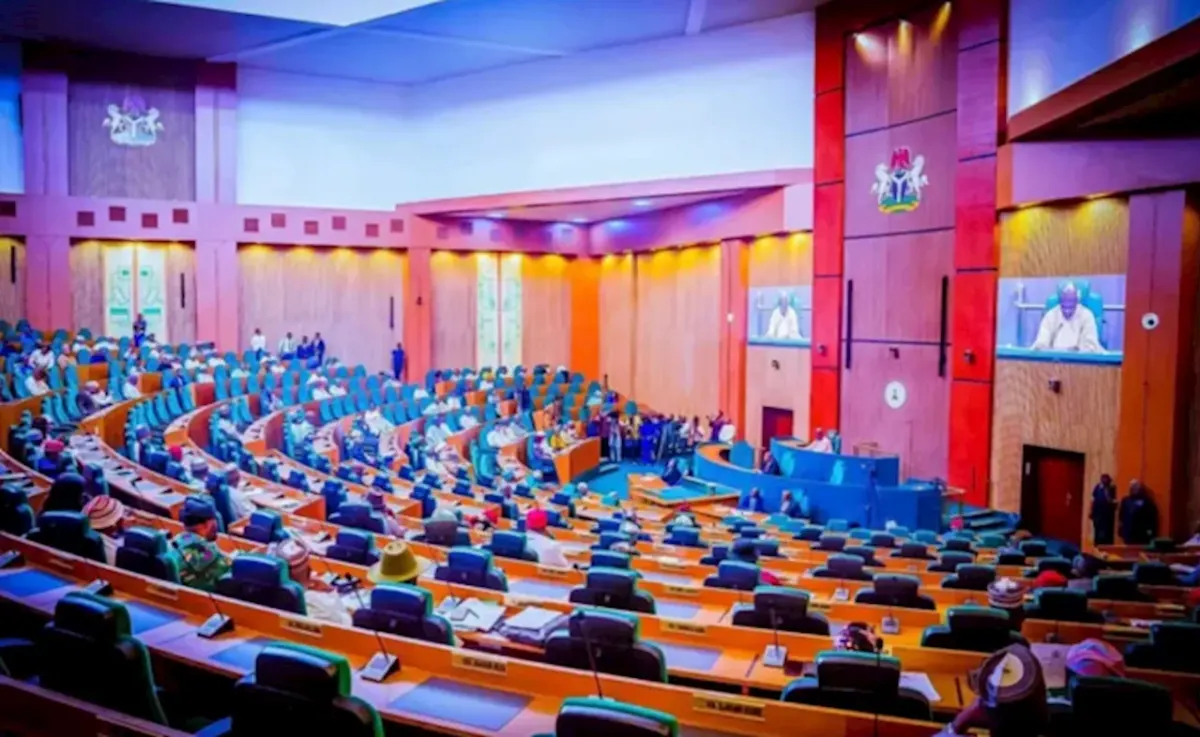

President Bola Tinubu has triggered Nigeria’s most consequential security reform in 25 years. He sent a Constitution Alteration Bill to the Senate on Tuesday. The bill seeks to create state police forces across all 36 states. Senate President Godswill Akpabio confirmed receipt during plenary. He said legislative work would begin immediately.
The proposed amendment targets key sections of the 1999 Constitution. It aims to establish a legal framework for state-controlled policing. Tinubu framed the move as essential to combating terrorism, banditry and kidnapping. He argued that localised police forces would improve intelligence gathering and response times. The bill includes safeguards against political interference. It also outlines coordination mechanisms between federal and state police structures.
State governors have long demanded this reform. Traditional rulers and civil society groups have joined the chorus. They claim decentralised policing will allow officers to leverage local knowledge. Proponents point to persistent security failures under the current centralised system. Kidnappings in the northwest and communal clashes in the middle belt remain unresolved. The bill’s transmission follows years of stalled attempts. Previous efforts died in committee or failed to secure the required two-thirds majority in state assemblies.
Opposition voices warn of potential abuse. They cite historical cases of state governors using security forces to harass political opponents. Human rights groups demand robust oversight mechanisms. They want clear guidelines on use of force and detention powers. The bill’s two-stage process requires both parliamentary approval and constitutional amendments. This dual requirement could delay implementation for years. Even if passed, operational challenges loom. Funding, training and inter-state coordination remain unresolved.
The bill arrives amid heightened public frustration over insecurity. Tinubu’s Democracy Day speech acknowledged progress. Security agencies claimed to have neutralised 13,000 terrorists in the past year. Yet high-profile abductions persist. Schoolchildren remain captive in Oyo and Borno states. The disconnect between official claims and lived reality fuels scepticism. Many Nigerians question whether state police will repeat the failures of the current system.
Institutional resistance from the Nigeria Police Force adds another layer of complexity. The force has consistently opposed decentralisation. It argues that state police could fragment national security architecture. Police unions warn of potential conflicts between federal and state commands. They also highlight the risk of uneven standards across states. Wealthier states might create better-equipped forces. Poorer states could struggle with basic operational costs.
The bill’s timing intersects with broader constitutional review efforts. The Senate recently passed a separate state police proposal. That bill now sits with the Constitution Review Committee. Tinubu’s version appears more comprehensive. It includes specific provisions on oversight and accountability. The overlap creates potential for legislative gridlock. Lawmakers must reconcile competing versions before any vote. This process could stretch into 2027.
Economic realities further complicate the debate. State governments face severe budget constraints. Many struggle to pay salaries. The cost of establishing new police forces could overwhelm already strained finances. Analysts estimate initial setup costs at ₦500 billion nationwide. Recurrent expenditure could exceed ₦200 billion annually. These figures exclude infrastructure and equipment needs. The federal government has offered no financial support package. States would bear the full burden.