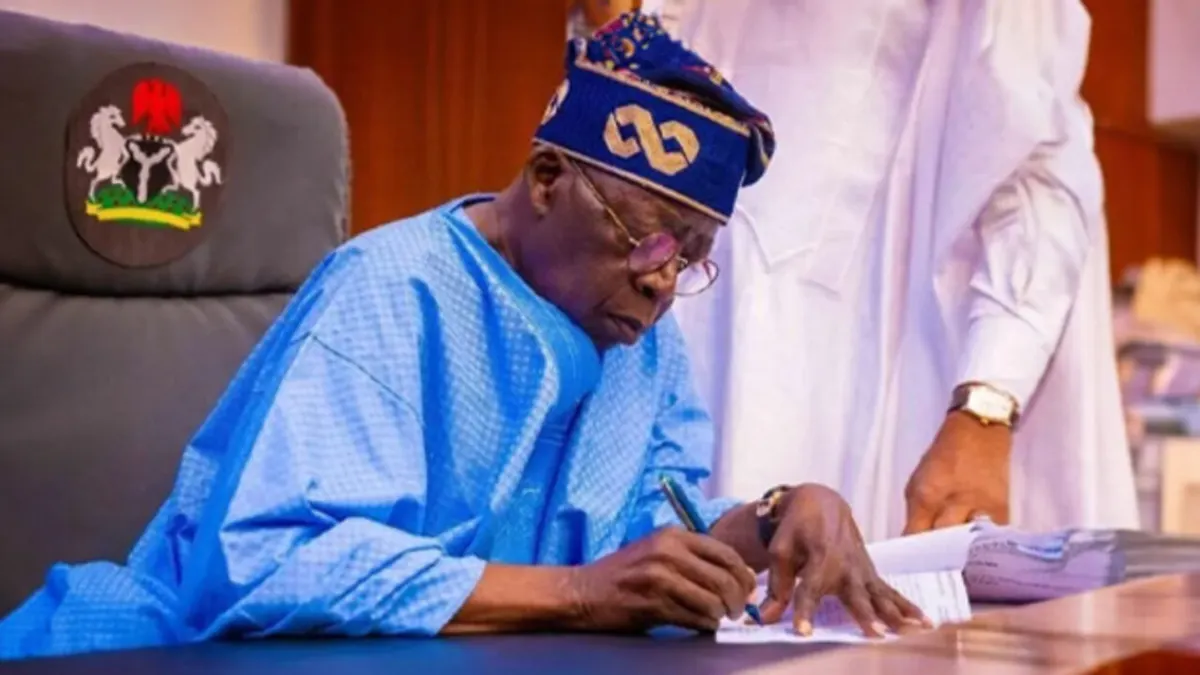

President Bola Tinubu marked the first anniversary of former President Muhammadu Buhari’s death with a stark declaration. Buhari’s bond with Nigerians outlasted his presidency. That trust, Tinubu said, was not granted. It was earned through decades of consistency between word and deed.
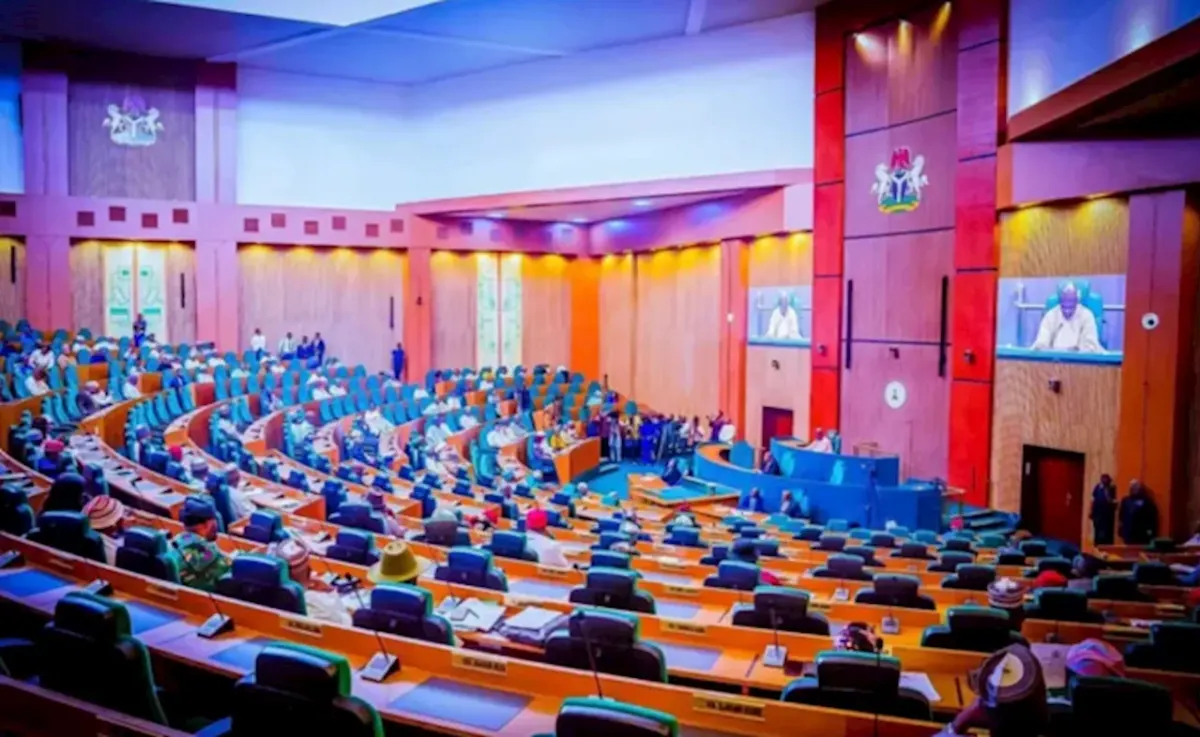
The tribute came during a prayer session in Abuja on July 13. Vice President Kashim Shettima stood in for Tinubu. The event drew former heads of state, governors, and religious leaders. Tinubu’s speech framed Buhari’s legacy as a moral benchmark for public office. He called Buhari’s transformation from military ruler to civilian democrat a defining arc in Nigeria’s political history.
Tinubu recalled their shared political journey. He described Buhari as a fellow traveler in the pursuit of a progressive Nigeria. The late president’s military career spanned two decades. He seized power in a 1983 coup. His regime was marked by austerity and anti-corruption campaigns. After his ouster in 1985, Buhari re-emerged as a democratic contender. He ran unsuccessfully in 2003, 2007, and 2011. His victory in 2015 ended sixteen years of Peoples Democratic Party rule.
Buhari’s presidency was turbulent. Security crises in the Northeast, economic recession, and currency devaluation dominated his first term. His re-election in 2019 came amid accusations of electoral irregularities. Yet, Tinubu argued, Buhari’s personal integrity remained intact. Ordinary Nigerians continued to trust him even after he left office. That trust, Tinubu said, was the rarest inheritance any leader could leave.
Tinubu’s tribute revealed an institutional anxiety. Nigeria’s political class has long struggled with credibility. Public trust in government hovers near historic lows. Corruption scandals, policy flip-flops, and unfulfilled promises have eroded confidence. Buhari’s post-presidency popularity stood in sharp contrast. It exposed a gap between public expectation and political reality. Tinubu’s call for leaders to emulate Buhari’s values was not just ceremonial. It was a tacit admission of systemic failure.
The event also highlighted a generational shift. Buhari was the last Nigerian leader with a military background. His death symbolized the end of an era. The political landscape is now dominated by civilian technocrats and career politicians. Yet, the issues Buhari confronted—insurgency, economic instability, and corruption—remain unresolved. Tinubu’s government faces the same challenges. His tribute to Buhari carried an unspoken question. Can civilian leaders replicate the discipline and focus that defined Buhari’s military tenure?
Former Secretary to the Government of the Federation Boss Mustapha announced plans for a foundation in Buhari’s name. The foundation aims to preserve his legacy and promote his values. Mustapha’s role in the Buhari administration was pivotal. He oversaw the government’s response to the COVID-19 pandemic. His involvement in the foundation suggests continuity. It also signals an attempt to institutionalize Buhari’s principles beyond his lifetime.
Religious leaders played a central role in the remembrance. Cardinal John Onaiyekan and the Imam of the National Mosque led prayers. Their participation underscored Buhari’s appeal across Nigeria’s religious divide. Buhari was a Muslim from the North. Yet, his presidency saw significant support from Christian communities in the South. That cross-religious trust is rare in Nigeria’s polarized politics. It raises a critical question. Can Buhari’s legacy serve as a unifying force in a country increasingly divided along ethnic and religious lines?
Tinubu’s tribute avoided direct criticism of Buhari’s record. It focused instead on character. That choice was strategic. Buhari’s presidency left a mixed legacy. His anti-corruption efforts yielded few convictions. His economic policies were criticized for deepening inequality. Yet, his personal frugality and discipline remained unchallenged. By centering those traits, Tinubu framed Buhari as a moral exemplar. It was a calculated move. It allowed Tinubu to align himself with Buhari’s virtues while distancing himself from his failures.
The event closed with the presentation of a book of tributes. Vice President Shettima handed it over. The book included messages from political allies, religious leaders, and ordinary Nigerians. It served as a final testament to Buhari’s enduring influence. Yet, the most telling moment came earlier. Tinubu’s assurance of continued support to Buhari’s family was not just personal. It was political. It signaled that Buhari’s legacy would remain a factor in Nigeria’s governance. For Tinubu, that legacy is both an asset and a challenge. It sets a standard he must now meet.