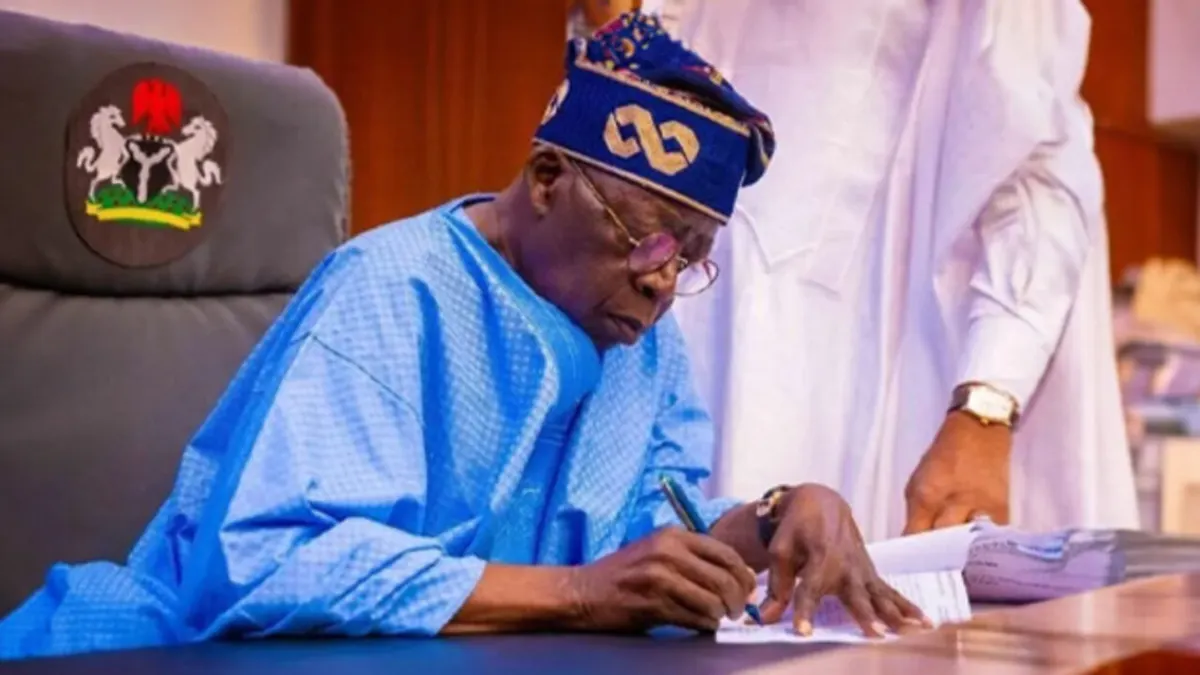

President Bola Tinubu has approved a final six-month extension for Comptroller-General of the Nigeria Customs Service Adewale Adeniyi. The extension, announced by the Presidency on June 19, 2026, moves Adeniyi’s exit date to February 2027. The decision aims to allow completion of the National Single Window initiative, a digital trade platform designed to streamline import and export processes.
Adeniyi’s initial tenure was set to expire on August 1, 2026. The Presidency stated the extension would enable him to consolidate reforms and ensure an orderly succession. During this period, Adeniyi will work with the Nigeria Customs Service Board to promote eligible officers to the rank of Comptroller. He will also oversee the mandatory retirement of personnel who have reached 60 years or completed 35 years of service. The Presidency emphasized the need for stability and operational continuity during the transition.
Adeniyi joined the Nigeria Customs Service in the late 1980s after graduating from Obafemi Awolowo University. He rose through the ranks, becoming Deputy Comptroller in 2012 and Comptroller in 2017. His promotion to Assistant Comptroller-General came in 2020. Tinubu appointed him Acting Deputy Comptroller-General in January 2023 before naming him Comptroller-General in June 2023. Since taking office, Adeniyi has focused on modernizing customs operations, improving revenue collection, and strengthening border security.
The National Single Window initiative is a key reform under Adeniyi’s leadership. The platform integrates multiple government agencies into a single digital portal. It aims to reduce bureaucratic delays and enhance trade facilitation. The initiative is expected to cut clearance times for importers and exporters. This could boost Nigeria’s trade efficiency and increase revenue generation. The Presidency has linked the extension directly to the need to finalize this project.
The extension also highlights a broader pattern in Nigeria’s civil service. Tenure extensions for heads of key agencies have become common. They are often justified as necessary for reform continuity. However, critics argue such extensions create dependency on individual leaders rather than systemic improvements. The Nigeria Customs Service Board must now balance Adeniyi’s reform agenda with the need for a seamless leadership transition. This includes managing promotions and retirements without disrupting ongoing operations.
An overlooked aspect of this extension is its financial implications. The National Single Window initiative requires significant investment in technology and training. The Customs Service has not disclosed the total cost or funding sources for the project. Trade associations and economic analysts have called for transparency. They want clarity on the budget and timeline. Without this, concerns about cost overruns or external financing could undermine confidence in the reform.
Adeniyi’s tenure has seen intensified efforts to combat smuggling. The Customs Service has conducted raids on warehouses storing contraband goods. It has also collaborated with international agencies to curb illicit trade. These operations have yielded mixed results. While some seizures have been successful, systemic corruption remains a challenge. The extension provides an opportunity to address these gaps. However, it also risks prolonging inefficiencies if structural reforms are not prioritized.
The extension reflects Tinubu’s governance strategy. It emphasizes continuity in key economic institutions. The Presidency stated the move underscores confidence in Adeniyi’s leadership. It also signals a commitment to sustaining reforms within the Nigeria Customs Service. The next six months will test whether these reforms can outlast Adeniyi’s tenure. The focus will be on ensuring the National Single Window initiative delivers tangible benefits before the February 2027 deadline.