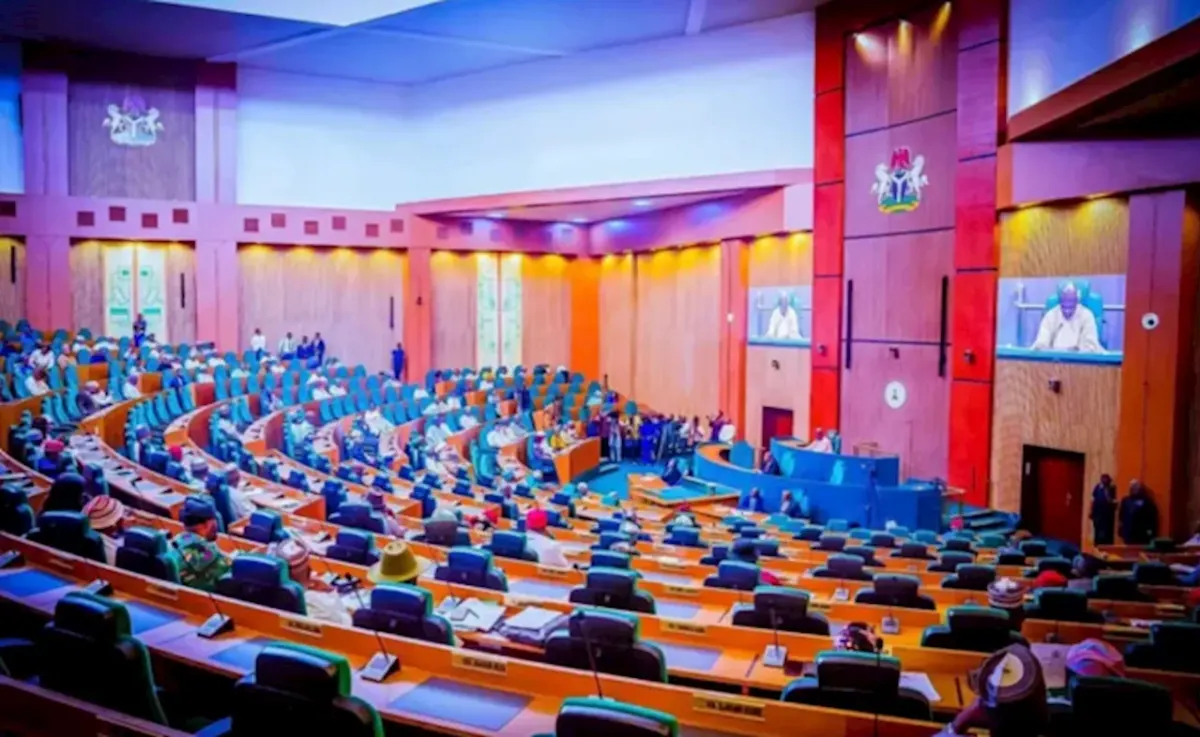

The Nigerian Senate passed the State Police Bill on June 25, 2026. This law creates a dual policing system. State governors will now control local police forces. The federal police retain oversight authority. The bill aims to address Nigeria’s escalating security crisis. But it also exposes deep fractures in the country’s federalism model.
Senator Yemi Adaramodu, Chairman of the Senate Committee on Media and Public Affairs, outlined the federal safeguards. He told Arise Television that governors who misuse state police will face federal intervention. The federal police can take over state forces if they operate outside constitutional boundaries. Adaramodu stressed that governors will not have sole authority over state police commissioner appointments. The Federal Police Service Commission will review all nominations. This measure is designed to prevent governors from installing political loyalists.
The funding structure further tightens federal control. States will contribute to their police budgets. The federal government will provide additional funding. This dual-funding model aims to prevent under-resourced state forces from becoming ineffective. Adaramodu argued that local recruitment will improve policing. Officers embedded in their communities will understand local dynamics better. He claimed this will reduce response times and increase accountability. But critics warn that federal funding could become a tool for political leverage.
Senator Ali Ndume, representing Borno South, supported the bill but raised critical concerns. Nigeria currently has fewer than 400,000 police officers for a population exceeding 200 million. The United Nations recommends 200 to 400 officers per 100,000 people. Nigeria falls far below this standard. Ndume argued that decentralization is necessary. A centralized police force cannot secure a country of Nigeria’s size and diversity. But he warned that the legal framework, funding mechanisms, and accountability structures must be clearly defined before state police become operational.
The bill’s passage comes amid Nigeria’s worsening insecurity. Kidnappings, banditry, and communal violence have overwhelmed federal police capacity. State governors have long demanded localized control. Yet, existing state security outfits like Amotekun and Hisbah have faced accusations of human rights abuses. The new law attempts to mitigate these risks. But the effectiveness of federal safeguards remains untested. Governors in opposition strongholds may resist federal oversight. This could create new power struggles between Abuja and state capitals.
The State Police Bill reveals Nigeria’s unresolved federalism tensions. The 1999 Constitution concentrates security powers at the center. This reflects the military’s historical distrust of state autonomy. The new law represents a rare concession to state governments. But the federal government’s retention of veto power over state police appointments exposes lingering centralization. This hybrid model may deepen conflicts between federal and state authorities. Governors from opposing parties could face federal interference in their security operations. The bill does not address how these disputes will be resolved.
The bill also highlights systemic weaknesses in Nigeria’s security sector. Federal police have long been criticized for corruption and inefficiency. Decentralization alone cannot fix these issues. Without comprehensive reform of police training, discipline, and welfare, state police may replicate federal failures. Ndume warned that underfunded state forces could become tools for extortion. Local police may prioritize political agendas over public safety. The federal safeguards are designed to prevent this. But enforcement will require political will that has often been lacking in Nigeria’s governance history.
A critical but overlooked angle is the bill’s impact on electoral integrity. State police could be deployed to intimidate opposition candidates. Governors may use local forces to suppress voter turnout in elections. The federal safeguards are supposed to prevent this. But enforcement will be difficult in states where governors control political machinery. The 2023 elections saw widespread reports of security forces manipulating outcomes. The State Police Bill does not address this risk. It leaves Nigeria’s electoral safeguards dangerously incomplete.
The State Police Bill is a high-stakes experiment. It reflects the urgent need for localized security solutions. But it also risks entrenching local authoritarianism. The law’s success depends on the federal government’s ability to enforce safeguards. If governors resist oversight, Nigeria’s security architecture could fragment further. The coming months will test whether the bill strengthens federalism or deepens Nigeria’s governance crisis.