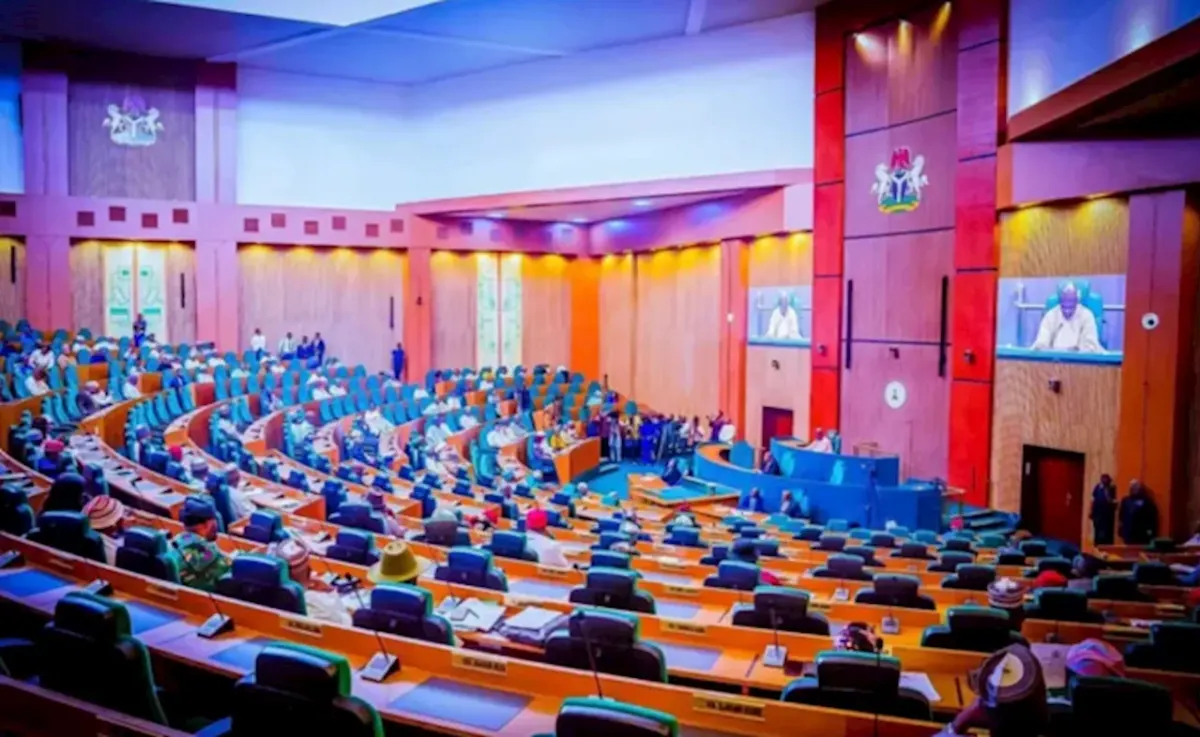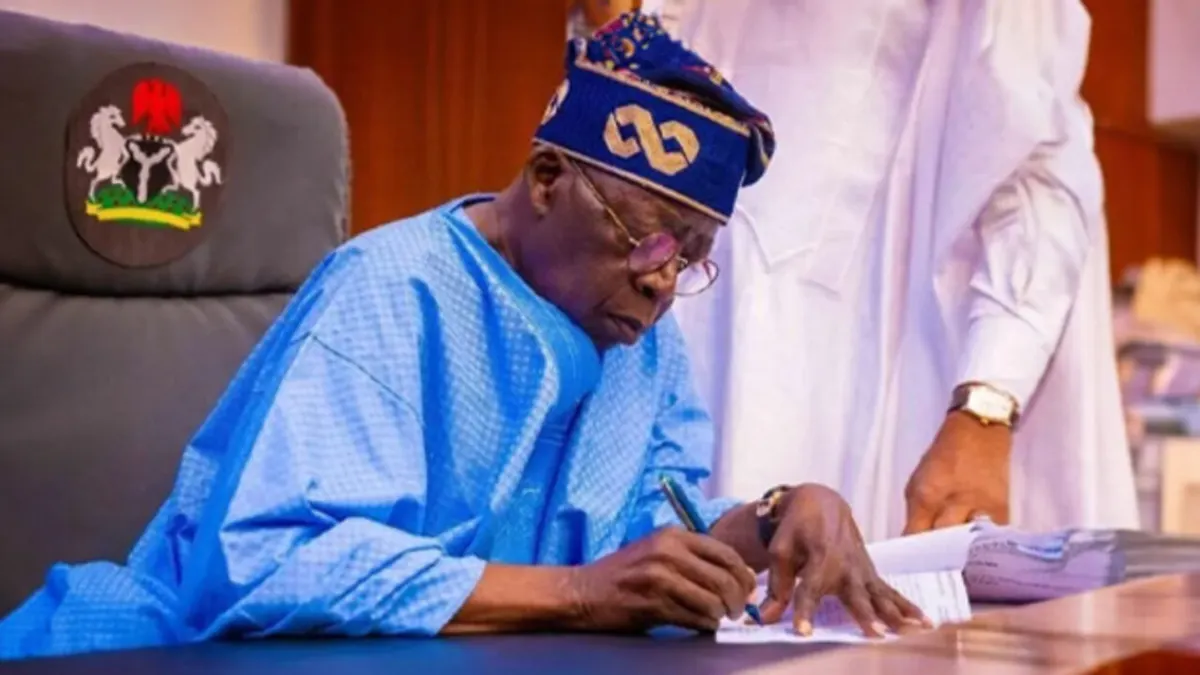

The Nigerian Senate has refused to investigate the N1.3 billion budget allocation to the Presidential Foreign Intervention Promotion Council (PFIPC), a body the Presidency insists does not exist. The decision, taken during Wednesday’s plenary, hands full investigative authority to the Independent Corrupt Practices and Other Related Offences Commission (ICPC), which President Bola Tinubu directed to conclude its probe within 30 days.
The motion, sponsored by Senator Kawu Sumaila (APC, Kano South), sought to establish how a non-existent agency secured a line item in the 2026 Appropriation Act. Sumaila argued that the inclusion of PFIPC under Budget Code 0111062001 exposed systemic weaknesses in budget scrutiny and eroded public trust in the National Assembly. He warned that failure to act would further damage the legislature’s oversight reputation. Deputy Senate President Barau Jibrin, presiding over the session, countered that the executive branch had already taken charge. Jibrin stated that the Senate would await the ICPC’s findings before considering any legislative action. The motion was defeated by a voice vote.
The controversy centres on Adeniyi Adeyemi, who allegedly presented himself as PFIPC director-general. Adeyemi is accused of forging official documents to secure diplomatic recognition and budgetary allocations. The Presidency has declared both PFIPC and the Presidential Executive Advisory Council (PEAC) fraudulent. Adeyemi, currently in hiding, denies the forgery allegations but claims Chief of Staff Femi Gbajabiamila demanded a 48% share of the N1.3 billion allocation. Gbajabiamila has issued a 72-hour ultimatum for Adeyemi to retract the claim or face a N10 billion defamation suit and criminal charges.
The Senate’s decision contrasts sharply with the House of Representatives, which recently adopted a similar motion calling for a full investigation. This divergence reveals a structural tension between the two chambers over budget oversight. While the Senate defers to the executive, the House insists on independent legislative scrutiny. Analysts note that this split could weaken the National Assembly’s unified voice on fiscal accountability, particularly in cases involving alleged executive branch impropriety.
The PFIPC scandal exposes deeper institutional vulnerabilities in Nigeria’s budgetary process. The 2026 Appropriation Act, passed in December 2025, underwent multiple committee reviews before plenary approval. The inclusion of a non-existent agency suggests either deliberate collusion or gross negligence by budget officers, appropriation committees, and executive agencies responsible for vetting MDA submissions. The Senate’s refusal to probe the matter internally raises questions about its willingness to police its own processes, especially when executive branch figures are implicated.
Beyond the immediate fraud allegations, the scandal highlights the growing use of phantom agencies to siphon public funds. Since 2020, at least three other non-existent bodies have appeared in federal budgets, each with multi-billion-naira allocations. These cases typically surface only after whistleblowers or media investigations expose them. The ICPC’s mandate now includes tracing bank accounts linked to PFIPC and identifying public officials who facilitated the scheme. However, the commission’s limited prosecutorial success rate in high-profile corruption cases has fuelled scepticism about whether this probe will yield convictions or merely serve as political damage control.
The timing of the scandal compounds its political sensitivity. The 2026 budget was presented as a cornerstone of Tinubu’s economic reform agenda, with deficit financing already under scrutiny by international creditors. The discovery of a N1.3 billion allocation to a fake agency risks undermining investor confidence in Nigeria’s fiscal transparency. Former Vice President Atiku Abubakar has called for an independent panel, arguing that the ICPC’s proximity to the executive could compromise its objectivity. This demand reflects broader public distrust in anti-graft agencies, which have repeatedly been accused of selective prosecution.
The Senate’s decision to shelve its probe also reveals a calculated political calculus. With the 2027 elections approaching, lawmakers are wary of alienating the executive branch, which controls key patronage networks. By deferring to the ICPC, the Senate avoids direct confrontation with the Presidency while still appearing responsive to public outrage. This strategy, however, may backfire if the ICPC’s findings are perceived as whitewashed. The House of Representatives’ more assertive stance could position it as the more credible oversight body, potentially reshaping legislative dynamics ahead of the next election cycle.