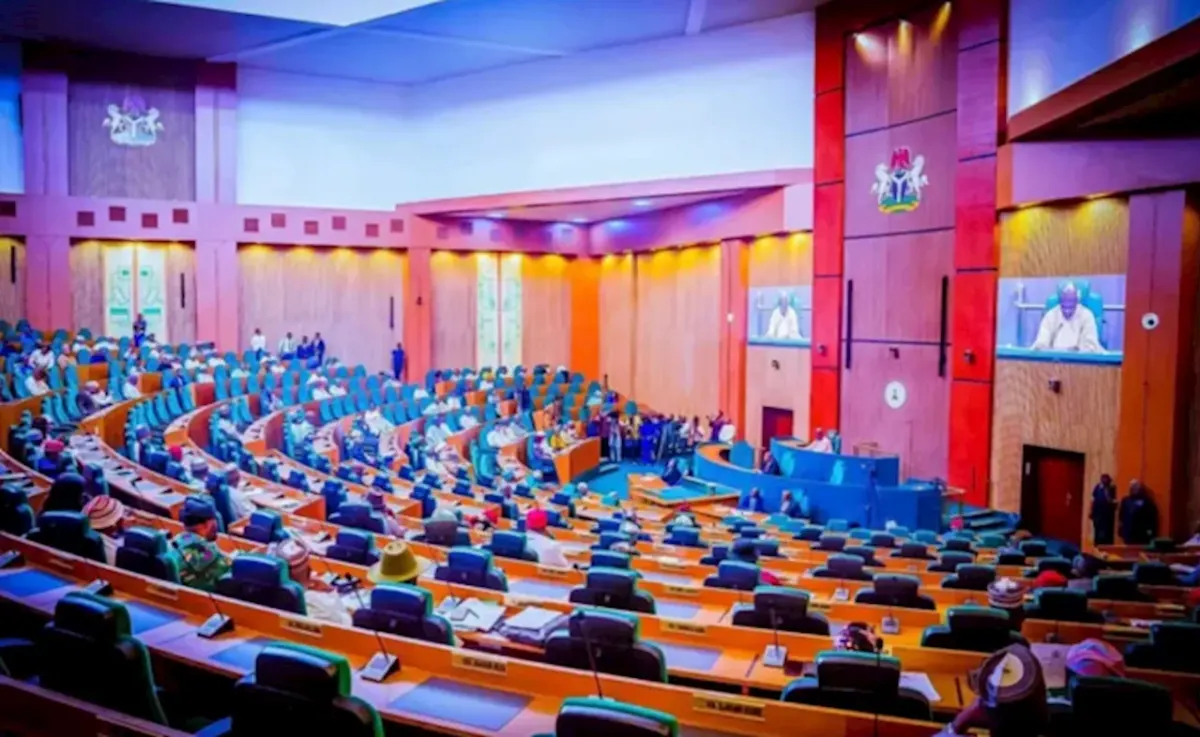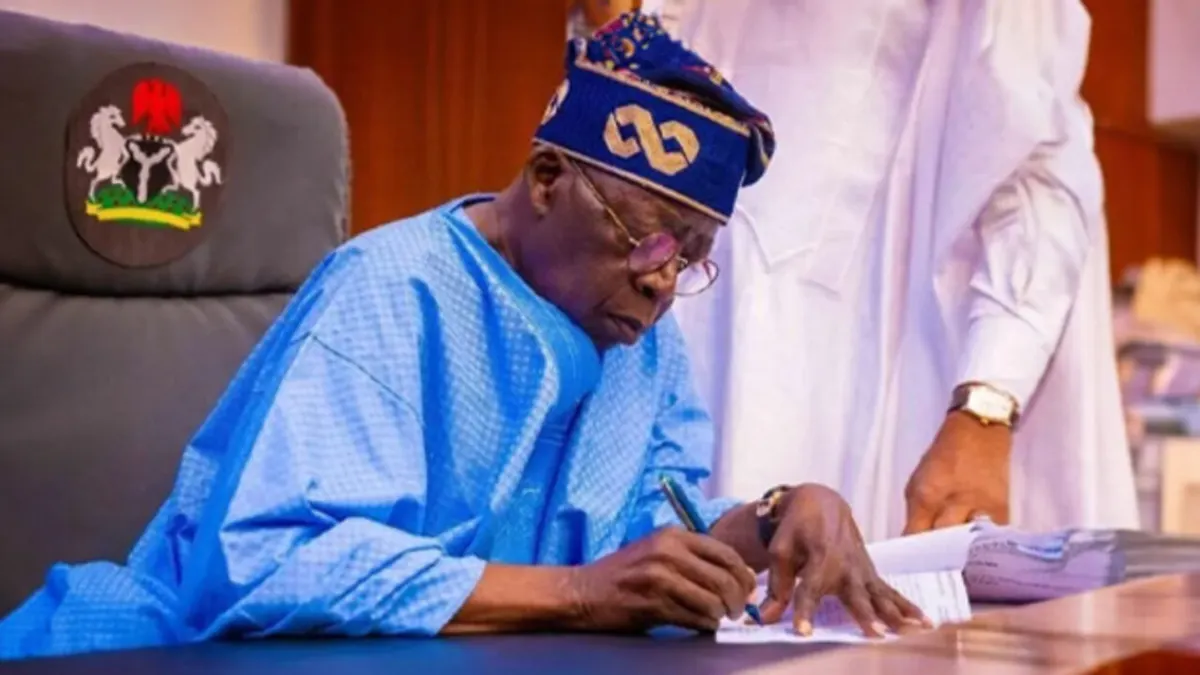

The Nigerian Senate has passed the Constitution of the Federal Republic of Nigeria (Alteration) (State Police) Bill, 2026, defying warnings from opposition figures about potential political manipulation. Senate Leader Opeyemi Bamidele called the bill a "child of necessity" born from nationwide consultations. Yet critics like Peter Obi and Hakeem Baba-Ahmed argue the timing—just months before the 2027 elections—risks turning local police forces into tools for electoral intimidation.
The Senate secured 84 votes in favor, a 77% approval rate, with support crossing party lines. Bamidele revealed the bill emerged from memoranda submitted during the 2025 constitutional review process. Public hearings across all six geopolitical zones showed strong backing from governors, state legislators, and even the Nigeria Police Force. The police submitted recommendations to embed accountability mechanisms, including oversight frameworks to prevent abuse by state executives. This collaboration, Bamidele claimed, proves the bill’s strategic value in tackling grassroots insecurity.
Opposition leaders remain unconvinced. Obi, the Nigeria Democratic Congress presidential candidate, urged a delay until after the 2027 elections, warning that hasty implementation could repeat the abuses of the 1963 regional policing era. Baba-Ahmed, national chairman of the Peoples Redemption Party, went further, questioning President Bola Tinubu’s administration’s credibility to oversee such a sensitive reform. Their objections expose a deep institutional distrust: critics fear state police could become extensions of gubernatorial power, used to harass opponents or suppress dissent.
The bill’s passage arrives as Nigeria’s centralized policing model struggles to contain localized threats. In Borno State, troops recently arrested a suspected ISWAP operative planning attacks on military bases—a stark reminder of federal forces’ limitations. Yet decentralization carries its own risks. Without ironclad safeguards, state police could become instruments of political repression. The Senate’s claim of nationwide consensus ignores regional disparities in governance quality. In states with weak judicial systems, local police could operate with impunity, shielded by partisan loyalty.
The financial burden of state police has received little scrutiny. The Nigeria Governors’ Forum, a key stakeholder in the Senate’s consultations, has not clarified how states will fund these forces. Many states already struggle to pay civil servants’ salaries. The cost of training, equipping, and maintaining local police could divert resources from healthcare and education. Corruption in procurement—such as inflated contracts for uniforms and vehicles—could further strain state budgets. The Senate’s silence on funding mechanisms raises questions about the bill’s long-term sustainability.
The bill’s timing amplifies concerns about electoral manipulation. With the 2027 elections approaching, opposition parties view the reform as a potential tool for voter intimidation. Governors could deploy state police to disrupt campaigns in rival strongholds or suppress turnout in opposition areas. This fear is not hypothetical. During the 2023 elections, reports emerged of security forces being used to tilt outcomes in several states. The Senate’s dismissal of these concerns as "cynicism" ignores Nigeria’s history of politicized security agencies during electoral cycles.
The Nigeria Police Force’s support for the bill is telling. The force, often criticized for inefficiency and corruption, stands to benefit from reduced operational pressure. Yet its endorsement may be self-serving. The police’s recommendations for accountability mechanisms assume its leadership will prioritize national security over institutional interests. This assumption is risky. The force’s track record—marked by human rights abuses and partisan deployments—suggests its oversight role could be compromised. The Senate’s reliance on police input for safeguards may prove naive.
The state police debate reveals deeper fractures in Nigeria’s federalism. The country’s constitution grants states limited autonomy, and the bill’s passage could set a precedent for further decentralization in sectors like education and healthcare. Yet this shift risks deepening regional inequalities. Wealthier states like Lagos and Rivers could establish more effective police forces than poorer states in the North-East. The Senate has not addressed how the federal government will ensure uniformity in training, equipment, and operational standards. Without federal oversight, disparities in security provision could widen, leaving vulnerable states even more exposed.
The bill’s passage reflects a broader trend in Nigerian governance: the use of security reforms as political tools. Since 2015, successive administrations have proposed state police as a solution to insecurity, only to shelve the idea when faced with opposition. The current push may be less about addressing security failures and more about consolidating power ahead of the 2027 elections. The Senate’s claim that the bill is a "child of necessity" rings hollow when viewed alongside other recent reforms, such as the National Assembly Service Commission Act, which critics argue was designed to entrench legislative control over key institutions.