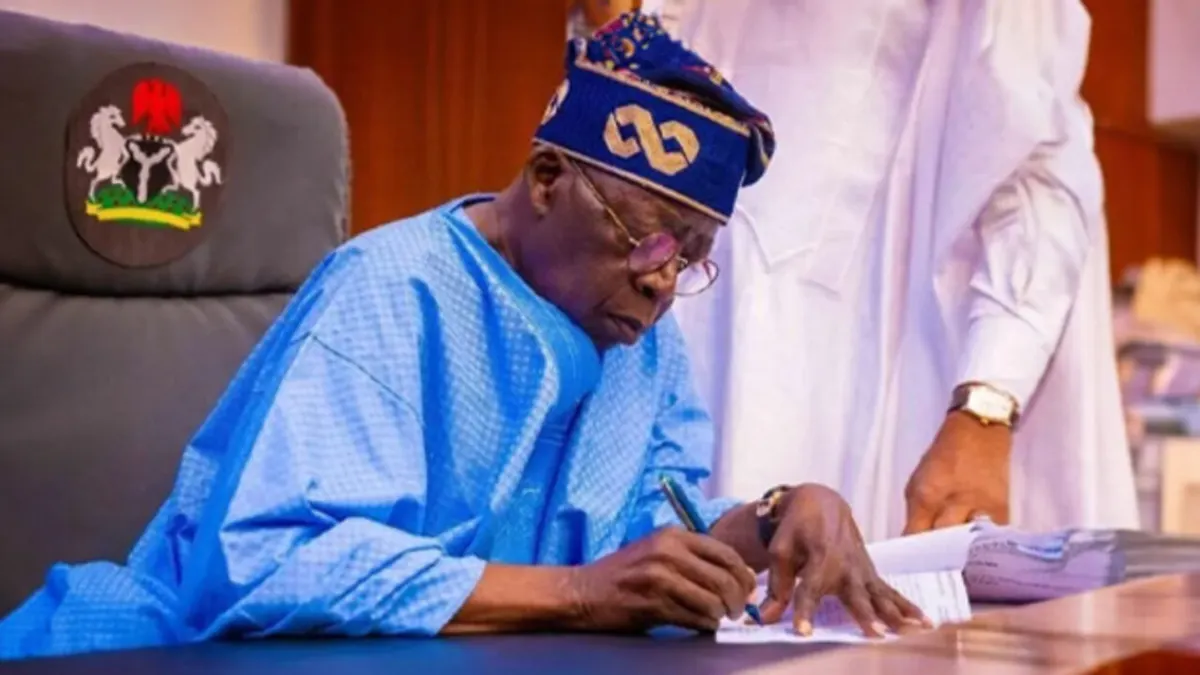
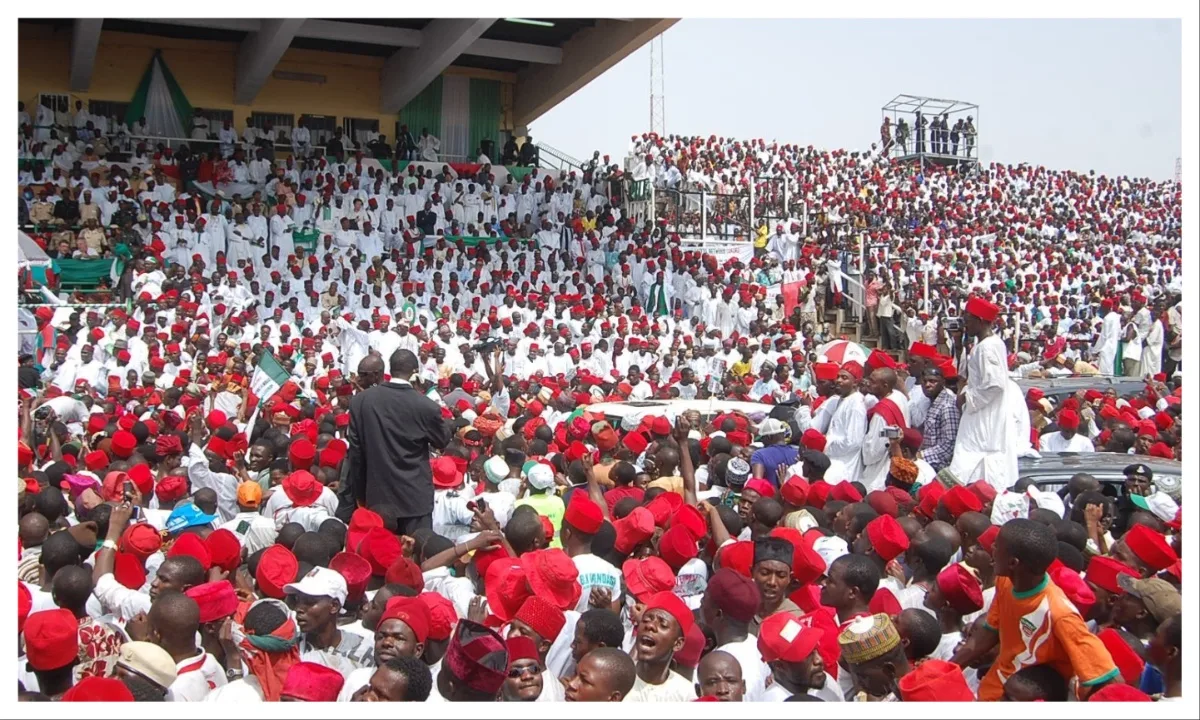
The Nigerian Presidency is under fire after a non-existent agency, the Presidential Foreign Intervention Promotion Council (PFIPC), secured N1.3 billion in the 2026 national budget. The scandal erupted when Prince Adeniyi Adeyemi, a self-styled Director-General, claimed the agency operated with full government backing. The Presidency has denied the agency’s existence, yet budget records confirm allocations were made under its name. The Kwankwasiyya Movement, a socio-political group aligned with former Kano Governor Rabiu Kwankwaso, has demanded a full audit, framing the controversy as a test of President Bola Tinubu’s commitment to transparency.
The PFIPC scandal reveals a systemic breakdown in Nigeria’s budgetary process. The 2026 Appropriation Act included allocations for an agency with no legal backing, raising questions about how unapproved entities bypass scrutiny. The Kwankwasiyya Movement has pressed for answers on who proposed the budget line, who approved it, and whether public funds were disbursed. Dr. Habibu Sale Mohammed, the group’s spokesperson, stated that Nigerians deserve clarity on whether forged documents were used to facilitate the budgetary insertion. The scandal has exposed gaps in oversight, as Adeyemi operated undetected within the Federal Secretariat, using forged documents to open accounts with the Central Bank of Nigeria.
President Tinubu’s Chief of Staff, Femi Gbajabiamila, has been dragged into the scandal after Adeyemi alleged he secured the appointment through a N600 million payment. Gbajabiamila’s office has denied the claim, insisting he first reported the fraudulent activities to the Department of State Services (DSS) and the Nigeria Police Force on October 17, 2025. The Arewa Youth Consultative Forum has defended Gbajabiamila, calling him a whistleblower who acted swiftly to prevent further damage. However, activist lawyer Maduabuchi Idam has accused the administration of operating like a "mafia," urging the National Assembly to resign if the allegations are proven true.
Adeyemi’s history of fraud adds another layer of complexity to the case. In 2016, he allegedly impersonated the President-General of a non-existent United Nations-affiliated organization. His ability to forge official documents, including appointment letters bearing Gbajabiamila’s signature, suggests high-level collusion. Temitope Ajayi, a presidential aide, acknowledged the possibility of internal collaborators, noting that Adeyemi’s operation within the Federal Secretariat required complicity from government officials. The scandal has raised concerns about the integrity of Nigeria’s institutional checks and balances, particularly as the administration seeks to attract foreign investment.
The scandal arrives at a precarious time for Tinubu’s administration. The government is already grappling with economic reforms amid rising inflation and public discontent. The Kwankwasiyya Movement has warned that unresolved controversies like this could deter capital inflow, as investors closely monitor governance credibility. The group has framed the scandal as a direct contradiction of Tinubu’s governance promises, insisting that deflection or silence would further alienate citizens already struggling with economic hardship. The outcome of this controversy may well determine whether the administration’s "renewed hope" agenda includes renewed accountability.
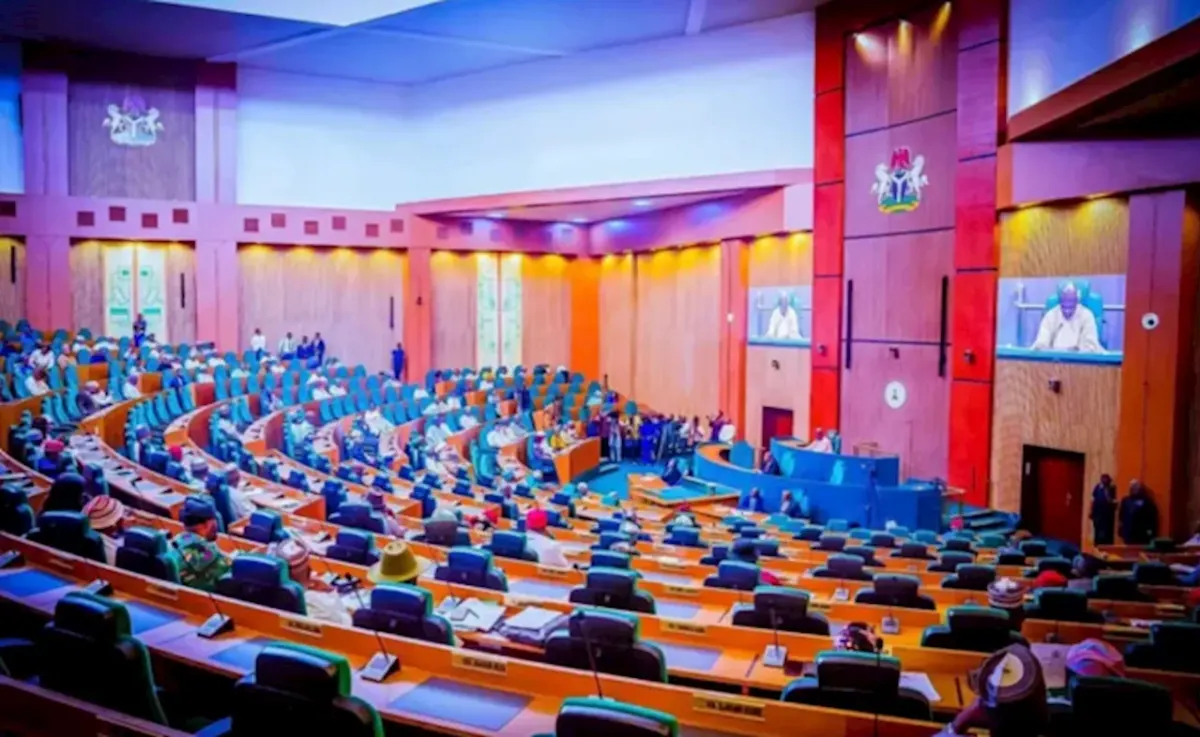
The PFIPC scandal has also exposed the National Assembly’s failure in oversight. The legislature approved the 2026 budget without verifying the existence of the PFIPC, raising questions about its role as a rubber-stamp institution. The Kwankwasiyya Movement has called for an independent investigation by anti-corruption agencies, including the Economic and Financial Crimes Commission (EFCC) and the Independent Corrupt Practices Commission (ICPC). The group has emphasized that public funds must be accounted for transparently, insisting that the scandal is not a partisan issue but a matter of national integrity.
The ease with which Adeyemi forged documents and secured budgetary allocations underscores Nigeria’s institutional weaknesses. The scandal has prompted calls for systemic reforms, including stricter verification processes for budgetary provisions. The Kwankwasiyya Movement has urged the government to publish a comprehensive account of the matter, including how the budgetary provision originated and the administrative processes involved. The scandal has also reignited debates about the vetting process for public office holders, as Adeyemi’s ability to impersonate a high-ranking official raises questions about the integrity of government appointments.
The PFIPC scandal is more than a case of individual misconduct. It is a symptom of deeper governance failures that have eroded public trust. The Tinubu administration’s response to this controversy will be a defining moment for its credibility. If the government fails to provide clear answers, it risks confirming the worst fears of Nigerians—that transparency and accountability are mere slogans, not principles. The scandal may well be the first real test of whether "renewed hope" includes renewed accountability.