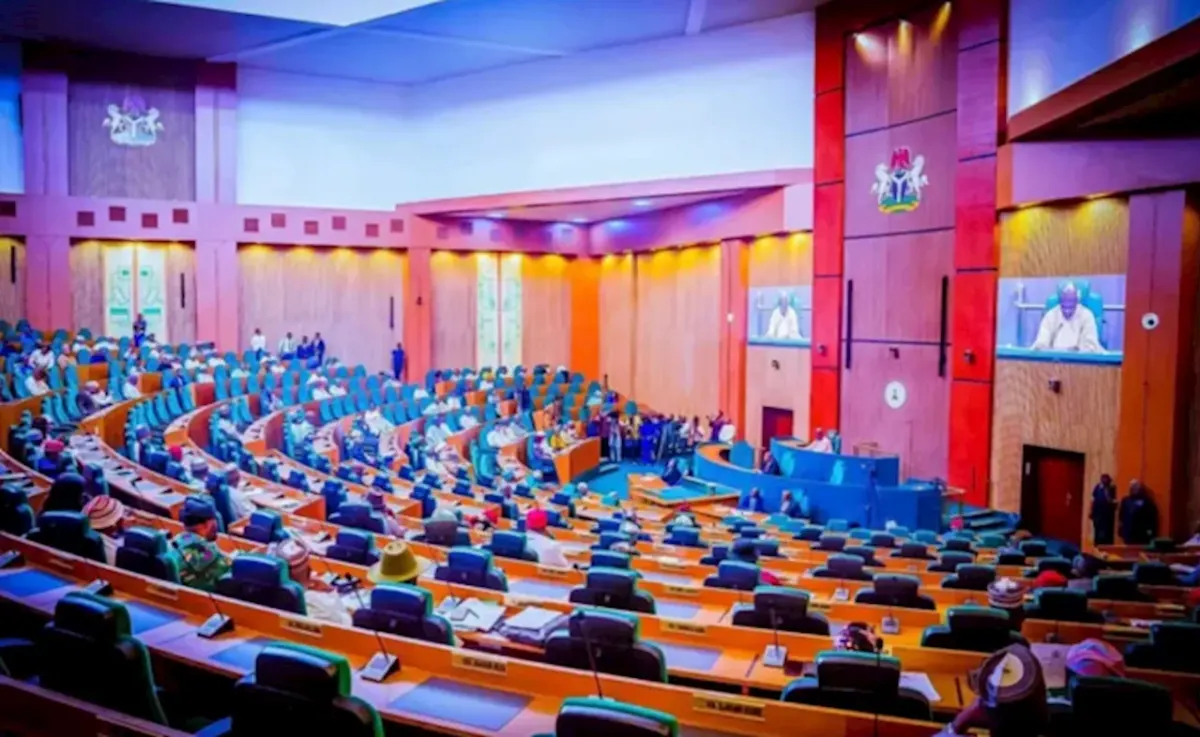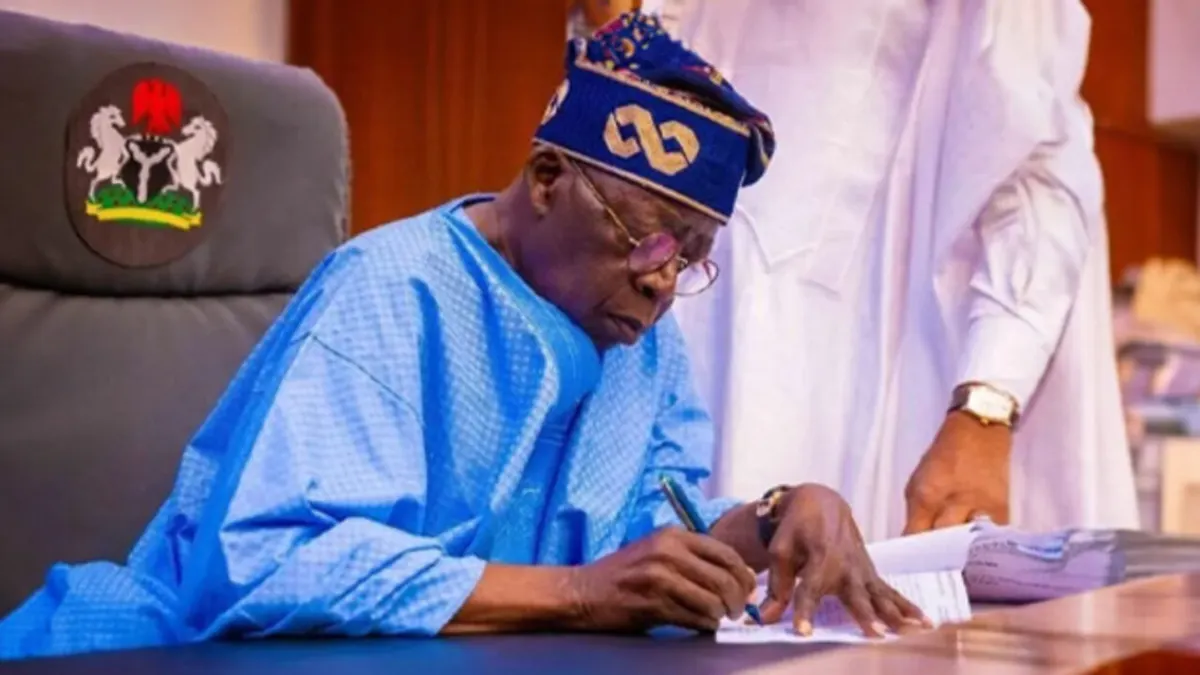

The Federal High Court in Abuja ordered the deregistration of five political parties last week. The African Democratic Congress, Action Peoples Party, Action Alliance, Accord Party, and Zenith Labour Party were struck off the Independent National Electoral Commission’s register. The court ruled they failed to meet constitutional thresholds in past elections. Within hours the Court of Appeal issued a stay of execution. The conflicting orders left Nigeria’s political landscape in legal limbo.
The initial judgment was anchored on Section 225A of the 1999 Constitution. It requires parties to secure at least 25 percent of votes in one state during a presidential election or win a legislative seat. The court found the five parties fell short. Yet INEC had previously stated these parties did not violate the provision. The electoral body’s stance was ignored. The plaintiff, National Forum of Former Legislators, lacks clear legal standing. Its members are not directly affected by the parties’ registration status. Legal experts argue the case was a pretext to shrink opposition space.
The political fallout was immediate. Opposition figures accused the ruling All Progressives Congress of orchestrating the judgment. Paul Ibe, aide to former Vice President Atiku Abubakar, called it a bid to create a one-party state. The ADC is Abubakar’s platform for the 2027 presidential race. The timing of the ruling, days after party primaries, raised suspicions. It disrupted campaigns for off-cycle governorship elections in Ekiti and Osun. Accord Party’s candidate in Osun, Governor Ademola Adeleke, defected from the Peoples Democratic Party weeks earlier.
The Court of Appeal’s intervention exposed deeper institutional fractures. Justice Peter Lifu delivered the lower court judgment despite an existing appeal. The appellate court rebuked him for violating judicial hierarchy. It described his actions as reckless and damaging to public trust. The National Judicial Council has yet to discipline Lifu. This inaction emboldens forum shopping, where litigants seek sympathetic judges in remote jurisdictions. INEC’s compliance with the initial order, despite its own contrary assessment, further undermines confidence in the electoral process.
The crisis reveals a systemic flaw in Nigeria’s electoral governance. The constitution empowers INEC to deregister parties but does not mandate judicial approval. Yet courts routinely intervene, often without clear jurisdiction. This creates a parallel regulatory framework where judges, not the electoral body, decide party viability. The result is legal chaos. Parties face deregistration threats even after securing injunctions. The uncertainty discourages grassroots mobilization and donor investment. Smaller parties, which often incubate new political ideas, are disproportionately affected.
The 2027 elections will test Nigeria’s democratic resilience. The five affected parties represent over 10 million registered voters. Their deregistration would disenfranchise these citizens. It would also reduce the opposition’s capacity to challenge the APC. The ruling party already controls 22 of 36 state governorships. A consolidated opposition is critical for competitive elections. The judiciary’s role in this process is under scrutiny. Public confidence in courts as neutral arbiters has declined. The Appeal Court’s reprimand of Justice Lifu was a rare acknowledgment of judicial misconduct. Yet without institutional consequences, such rebukes ring hollow.
The National Judicial Council must act decisively. Judges who issue politically motivated rulings should face suspension or dismissal. INEC must also resist pressure to enforce dubious court orders. The electoral body’s independence is crucial for democratic stability. The current crisis offers an opportunity for reform. Nigeria needs clearer guidelines on party deregistration. The constitution’s thresholds are necessary but their enforcement must be transparent. INEC should conduct periodic reviews of party performance, not ad-hoc judicial interventions. This would reduce legal ambiguity and restore predictability to the political process.
The broader implications extend beyond Nigeria. Judicial overreach in electoral matters is a growing trend in Africa. Courts in Kenya and Zambia have faced similar accusations of partisan rulings. Nigeria’s experience serves as a cautionary tale. When judges become instruments of political exclusion, democracy suffers. The international community must monitor these developments closely. The 2027 elections will determine whether Nigeria’s democracy deepens or regresses. The judiciary’s conduct will be a decisive factor. For now, the legal battle continues. The fate of five parties hangs in the balance. The real casualty, however, may be public trust in the rule of law.