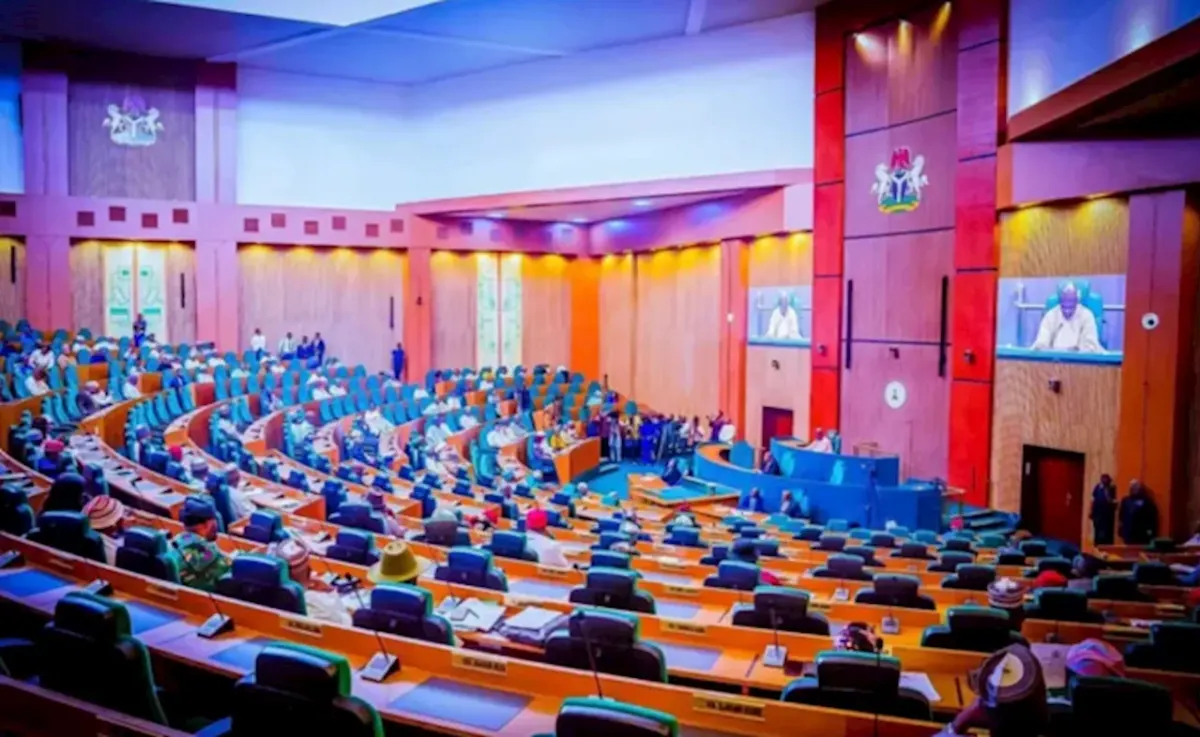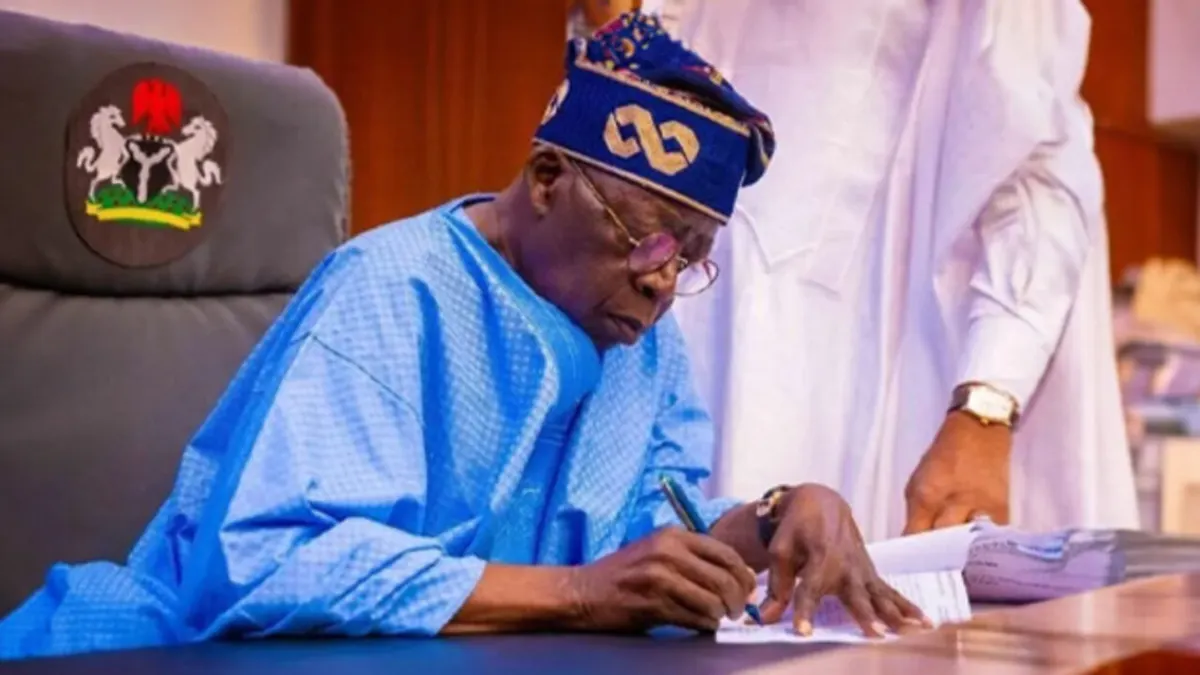

The Independent National Electoral Commission (INEC) presented Certificates of Return to winners of the June 20 bye-elections on Tuesday. The elections covered Rivers, Enugu, Nasarawa, Ondo, and Kano states. May Agbamuche-Mbu, INEC’s Supervising National Commissioner for Rivers State, handed over the certificates. She acted on behalf of INEC Chairman Joash Amupitan. The ceremony marked the formal conclusion of the electoral process but also spotlighted persistent governance challenges.
Agbamuche-Mbu urged the newly elected officials to serve their constituents with diligence. She described their mandate as a public trust. Yet the event unfolded against a backdrop of reported irregularities. Allegations of voter intimidation, ballot box snatching, and violence surfaced in Ondo, Nasarawa, and Kano. The All Progressives Congress (APC) won four of the six contested seats. The Peoples Democratic Party (PDP) retained only the Rivers South-East Senatorial District. The results reinforced the APC’s legislative dominance while fueling accusations of manipulated outcomes.
The speed of the certificate presentation raised procedural questions. INEC issued the certificates just three days after the polls closed. This rapid turnaround contrasts with the delays that often plague general elections. Bye-elections, though smaller in scale, still require rigorous verification. The haste may reflect political pressure rather than administrative efficiency. It risks eroding public confidence in INEC’s impartiality. The commission’s own records show that general election certificate presentations often take weeks, sometimes months, due to legal challenges and audit requirements.
Ekiti State’s governorship election added another layer of controversy. Governor Biodun Oyebanji secured re-election, becoming the first Ekiti governor to win back-to-back terms since 1999. His victory was hailed as a democratic milestone. Yet the primary process that preceded it was marred by internal disputes. Allegations of delegate manipulation and financial inducement surfaced during the party primaries. The certificate presentation thus formalized a victory built on contested procedural grounds. Local civil society groups documented at least 12 petitions filed against the primary results, none of which were resolved before the general election.
The Kebbi State House of Assembly Zuru Constituency election exposed deeper institutional gaps. INEC declared Rabiu Garba Aiki of the APC the winner. The announcement came despite reports of ballot box snatching in three polling units. Local observers documented irregularities in voter accreditation. The certificate presentation ignored these concerns. It treated the outcome as a settled matter. This approach risks normalizing electoral malpractice as an acceptable cost of political competition. A post-election report by the Transition Monitoring Group noted that voter turnout in Zuru dropped by 42% compared to the 2023 general elections, a decline attributed to security fears.
Kano State’s bye-election results revealed a strategic political realignment. The APC candidate for the Dawakin Kudu/Warawa Federal Constituency, Rabiu Shuaibu, was declared the winner. His victory followed a pattern of party consolidation in the North-West. The APC’s expanding footprint in Kano mirrors its dominance in the South-West. The certificate presentation thus served as a symbolic endorsement of a political shift with national implications. Data from INEC shows the APC’s vote share in Kano increased by 18% between the 2023 general elections and the June 20 bye-elections, a trend analysts link to defections from the New Nigeria Peoples Party (NNPP).
The Rivers South-East Senatorial District election stood as an outlier. The PDP’s Olaka Nwogu retained the seat. His victory was the sole bright spot for the opposition party. Yet even this outcome was not without controversy. Nwogu’s campaign faced allegations of financial inducement. Local monitors reported cash-for-vote schemes in two local government areas. The certificate presentation thus formalized a victory tainted by the same malpractices that plagued other races. A joint report by the Centre for Democracy and Development and Yiaga Africa documented 14 incidents of vote-buying in Rivers, the highest among the five states where bye-elections were held.
INEC’s internal contradictions were on full display during the ceremony. Agbamuche-Mbu’s remarks emphasized the need for elected officials to prioritize public service. Yet the commission’s actions undermined this message. The rapid issuance of certificates without thorough post-election audits sent a conflicting signal. It suggested that procedural expediency outweighed democratic integrity. This contradiction weakens INEC’s moral authority to demand accountability from elected officials. The commission’s 2025 audit report revealed that only 38% of bye-election results underwent post-election verification, compared to 92% for general elections.
The bye-elections and their aftermath reveal a troubling pattern in Nigeria’s electoral system. Bye-elections receive less scrutiny, fewer resources, and shorter timelines than general elections. This disparity creates a two-tiered democratic process. One tier operates under rigorous standards. The other functions as a testing ground for electoral malpractice. The certificate presentation ceremony, while routine, underscored this systemic imbalance. A comparative analysis of INEC’s budget allocations shows that bye-elections receive only 12% of the funding allocated to general elections, despite covering constituencies with a combined population of over 15 million people.