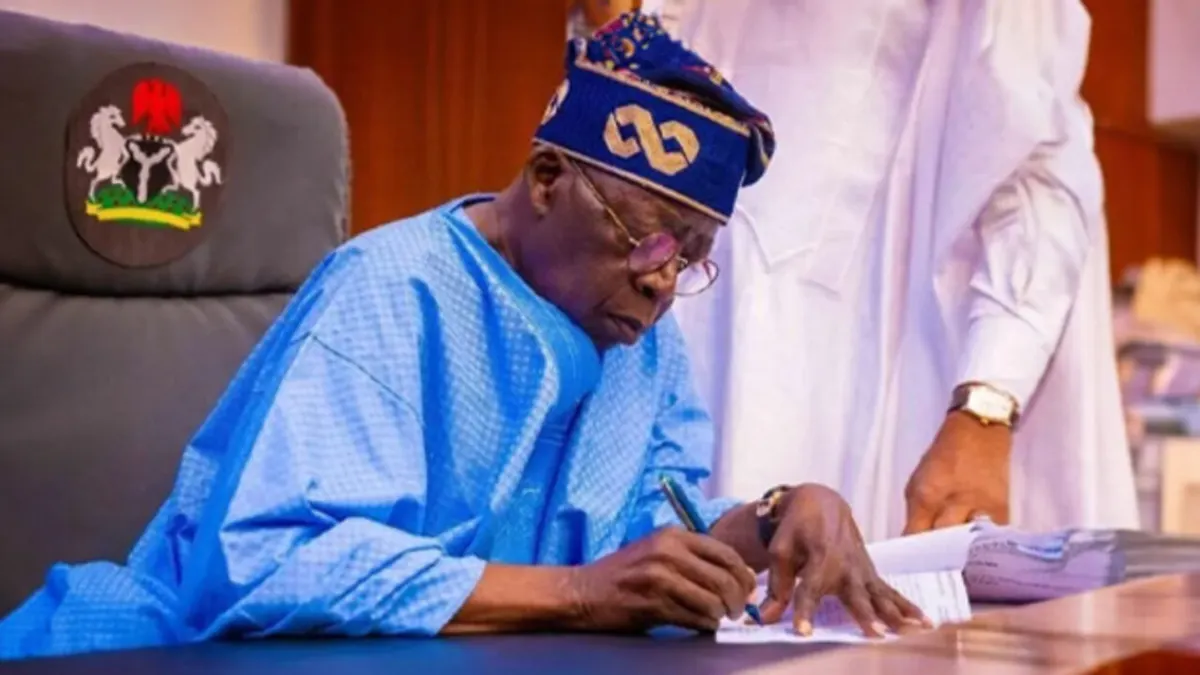
President Bola Tinubu’s administration stands accused of concealing N8.83 trillion in public spending from the 2025 budget. The International Monetary Fund revealed the figure during a briefing in Abuja. Christian Ebeke, IMF resident representative, said the spending equaled 2 percent of Nigeria’s gross domestic product. It was excluded from the official budget. This practice distorts Nigeria’s fiscal deficit and hides true borrowing needs from lawmakers and citizens.
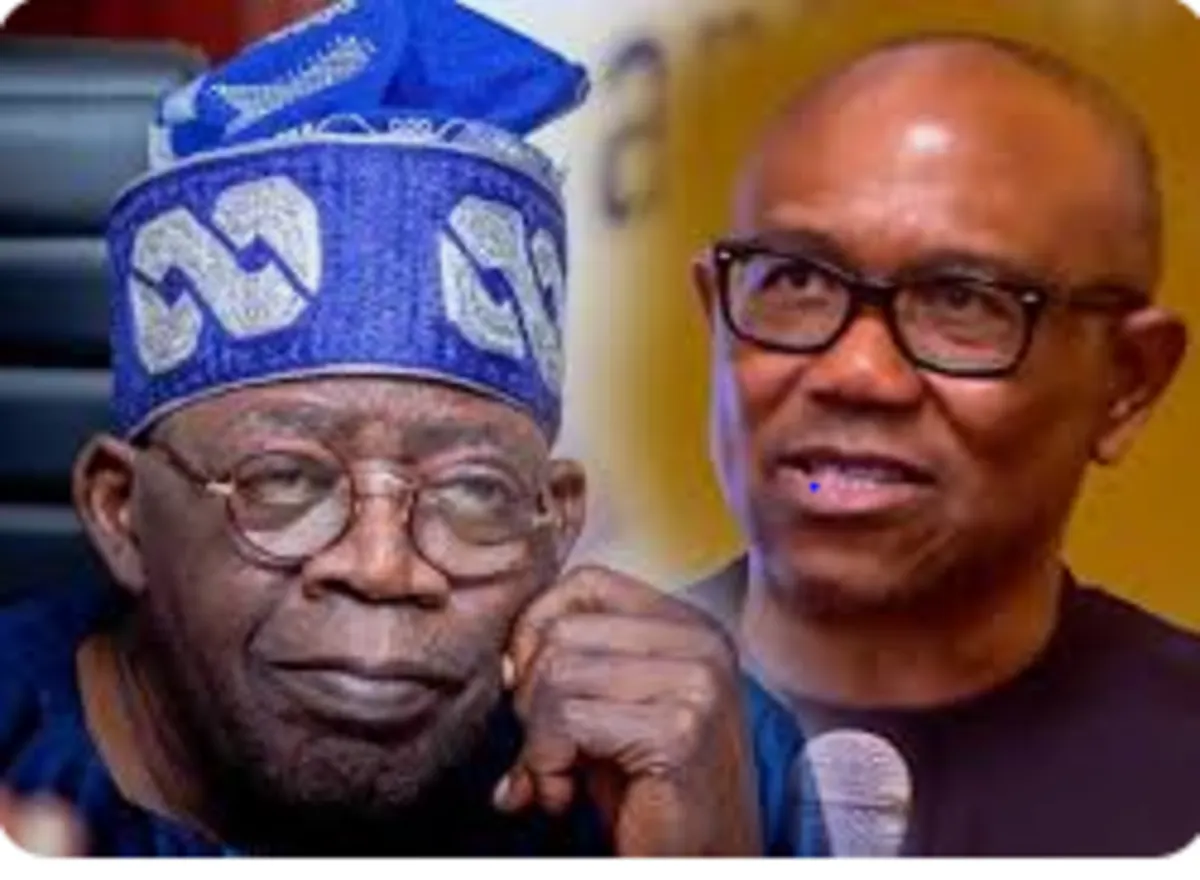
Peter Obi, former Anambra governor and Nigeria Democratic Congress presidential candidate, demanded Tinubu’s resignation. Obi’s statement called the off-budget spending grand corruption. He calculated the N8.83 trillion as 35 percent of the N23.96 trillion allocated for capital projects in 2025. The sum exceeds the combined budgets for education and health. Obi argued the funds could have transformed Nigeria’s social infrastructure if properly managed. He accused the All Progressives Congress government of incompetence and insensitivity. Obi linked the spending to rising poverty and deteriorating security.
The IMF’s revelation exposes systemic weaknesses in Nigeria’s fiscal governance. The N8.83 trillion was spent outside the appropriation process. This bypasses the accountant-general’s office and legislative oversight. Such practices are not isolated. They reflect a pattern where executive agencies exploit loopholes to divert funds. The lack of transparency fuels corruption and erodes public trust. The IMF’s report suggests these practices are institutionalized. Agencies routinely hide expenditures to avoid scrutiny.
Institutional oversight failures enabled this scandal. Waziri Adio, founder of Agora Policy, highlighted gaps in the national assembly’s scrutiny. The assembly approved N1.3 billion for the controversial Presidential Foreign Intervention Promotion Council without questioning its legitimacy. Adio argued the assembly’s failure reflects a culture of subservience in Nigerian politics. The council operated without clear legal backing. It opened a Central Bank account and secured office space. Adio called for an open investigation to determine what went wrong. He urged the government to block identified administrative gaps.
The Fiscal Responsibility Act currently lacks penalties for off-budget spending. This allows agencies to flout regulations with impunity. Experts recommend mandatory audits of all executive agencies. Adio proposed legislative independence to prevent rubber-stamp approvals. The act could be amended to include strict penalties for agencies that bypass budgetary processes. This would require agencies to disclose all expenditures to the national assembly. Without these reforms, Nigeria risks repeating cycles of fiscal mismanagement.
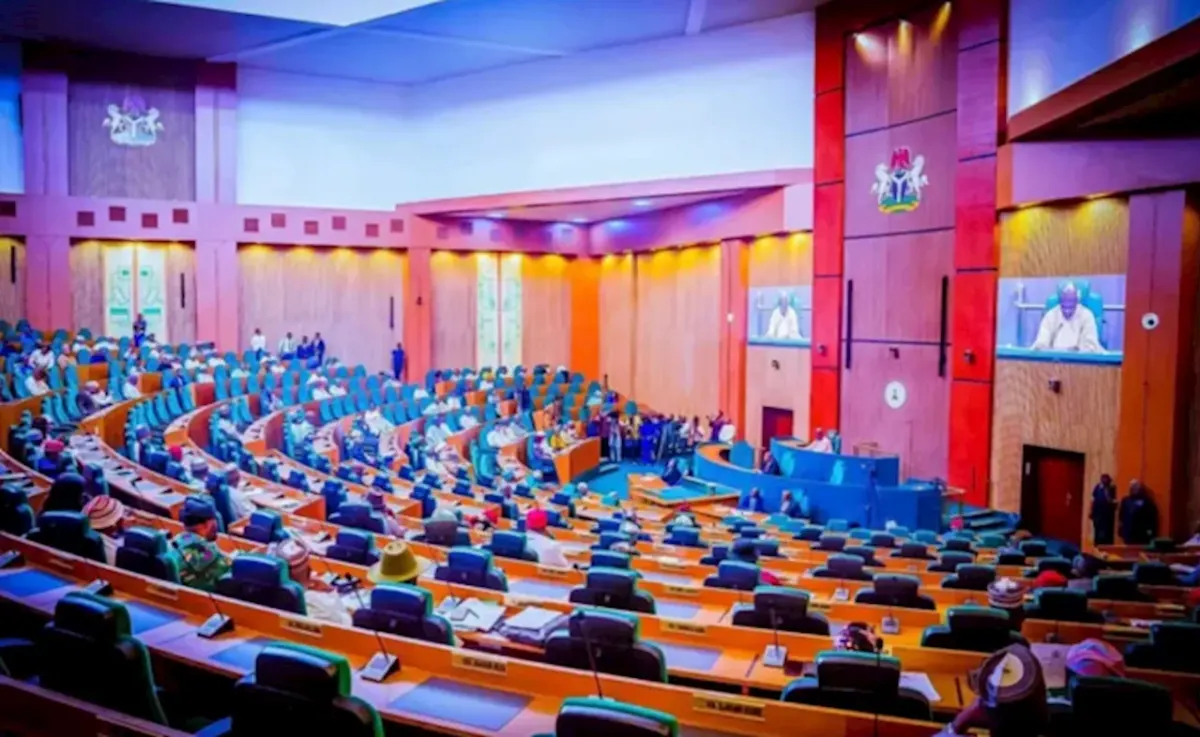
The national assembly’s role in this scandal raises serious questions. Lawmakers approved the 2025 budget without detecting the N8.83 trillion discrepancy. This suggests either incompetence or complicity. The assembly also failed to question the PFIPC’s necessity. Adio noted that no opposition lawmakers raised concerns during the budget process. This culture of silence enables corruption. It undermines democratic accountability. The assembly must explain why it failed to detect the off-budget spending.
Former Vice President Atiku Abubakar has urged the Economic and Financial Crimes Commission and the Independent Corrupt Practices Commission to investigate. The agencies face pressure to act swiftly. Past investigations into high-profile corruption cases have yielded little. The agencies’ ability to secure convictions remains a critical test of Nigeria’s anti-corruption framework. The presidency has not issued a detailed rebuttal to the IMF’s report. This silence fuels public skepticism. Nigerians are demanding transparency and accountability.
The scandal has far-reaching implications for Nigeria’s economy. The IMF’s report may deter foreign investors. Off-budget spending distorts economic planning and undermines fiscal stability. The administration must disclose how the N8.83 trillion was spent. It must also explain why the spending was excluded from the budget. Failure to do so will deepen public distrust. The scandal underscores the urgency of structural reforms in Nigeria’s budgetary processes.