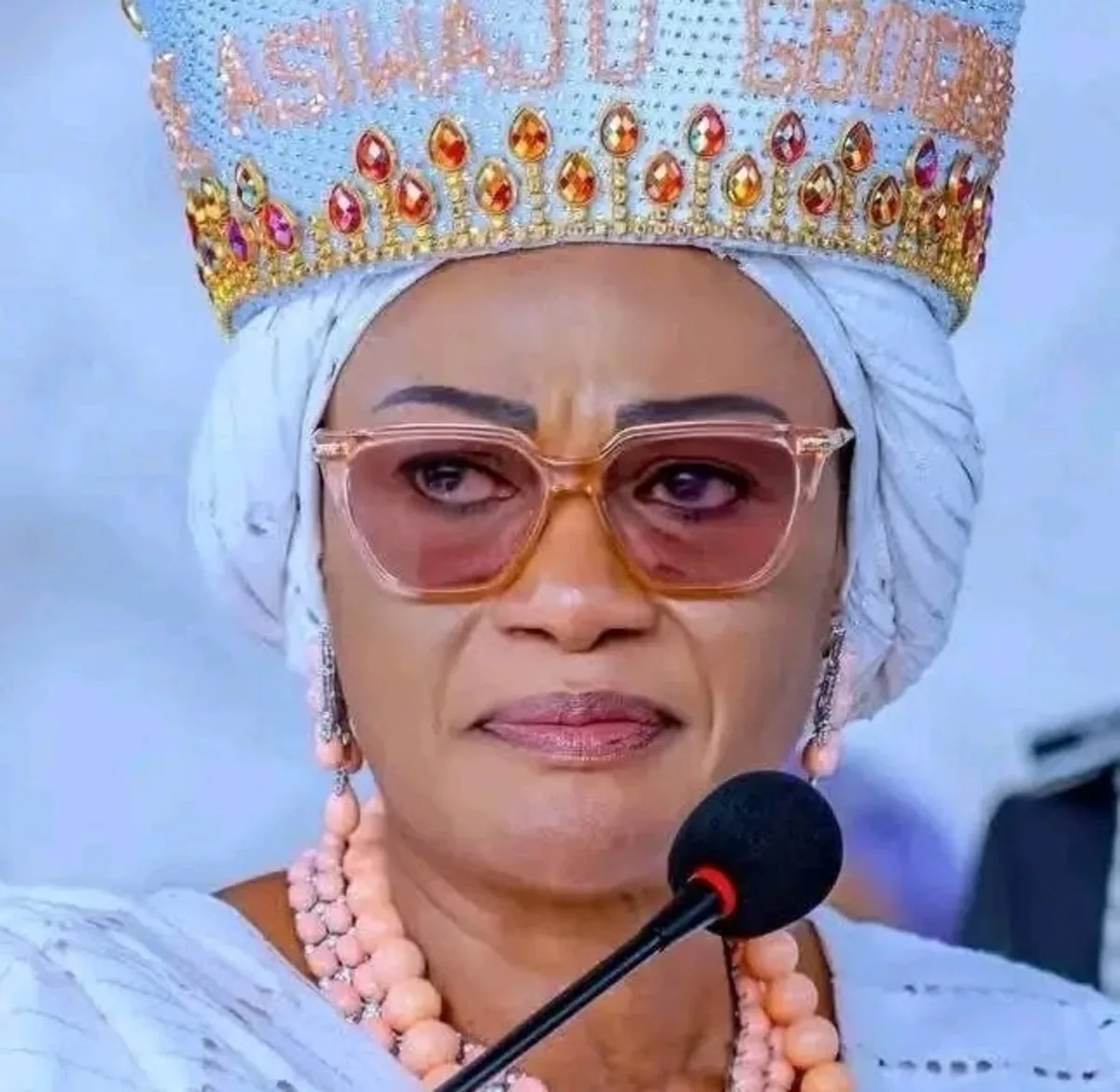
Human rights lawyer Inibehe Effiong has ignited a national debate over economic policy and elite accountability. On Saturday, he challenged First Lady Oluremi Tinubu to set up akara, corn, and kuli-kuli stalls for her own family. The demand came after Tinubu urged struggling Nigerians to embrace petty trading as a solution to the cost-of-living crisis. Effiong’s response exposed a deep disconnect between political rhetoric and economic reality.
The First Lady’s remarks were part of the Renewed Hope Initiative, a federal empowerment program that has disbursed over ₦3 billion in grants. She suggested that frying bean cakes or roasting corn could cover rent, school fees, and daily meals. Effiong dismissed the advice as tone-deaf. He accused the Tinubu administration of promoting survivalist economics while shielding its own circle from hardship. His post on X framed the controversy as proof of leadership failure, warning that future generations would judge the current government harshly.
The backlash reflects broader public frustration with Nigeria’s economic policies. Inflation has surpassed 33 percent, eroding wages and savings. A bag of beans, essential for akara production, now costs three times its 2023 price. Cooking oil and charcoal prices have also surged, squeezing profit margins for street vendors. Analysts argue that petty trading is no longer a viable path out of poverty. Instead, it traps workers in cycles of subsistence, with no access to credit, healthcare, or legal protections.
Effiong’s challenge forces a critical question: if the First Lady believes street vending sustains families, why not deploy her relatives into the sector? The demand underscores a growing demand for elite accountability. Nigerians are no longer accepting political advice that does not reflect lived realities. Dr. Sam Amadi, former chairman of the Nigerian Electricity Regulatory Commission, called the First Lady’s remarks patronizing. He argued that macroeconomic stabilization—not street hawking—would restore prosperity. The administration’s removal of fuel subsidies and naira devaluation have deepened poverty, while executive spending remains unchecked.
The Renewed Hope Initiative’s ₦3 billion allocation contrasts sharply with the struggles of informal workers. Street vendors face daily harassment from municipal task forces and extortion by agberos. These systemic barriers make petty trading a survival tactic, not an empowerment tool. The First Lady’s advice ignores these structural inequities, framing economic hardship as an individual failure. Critics argue that true empowerment requires policy shifts: securing farmlands from banditry, reducing production costs, and expanding access to formal credit.
The controversy reveals a governance crisis. Political elites, insulated from economic pain, prescribe resilience to citizens bearing the brunt of inflation. This pattern is not unique to Nigeria. In Kenya, leaders urging citizens to embrace the “hustler” mentality while imposing aggressive taxation face similar backlash. The disconnect risks solidifying perceptions of an uncaring establishment. For Nigeria, the fallout could deepen political alienation unless the administration delivers tangible relief: lower inflation, secure food supplies, and functional public services.
Beyond the immediate uproar, the incident exposes flaws in Nigeria’s empowerment programs. The Renewed Hope Initiative’s grants, while substantial, lack integration with broader economic policies. Petty trading cannot replace formal employment or industrial growth. Economists warn that without systemic reforms—such as stabilizing the naira, controlling inflation, and securing agricultural supply chains—such initiatives will remain political optics. The First Lady’s advice, divorced from these realities, underscores a failure to address root causes of poverty.
The backlash also signals a shift in public sentiment. Nigerians are demanding accountability from leaders. Social media amplifies frustration, forcing politicians to confront uncomfortable truths. Effiong’s challenge—demanding the First Lady’s family participate in the ventures she endorses—reflects a new era of governance expectations. Rhetoric must align with lived realities, or face relentless pushback. The controversy is not just about street vending. It is about who bears the burden of economic reform, and whether Nigeria’s leaders are willing to share in the sacrifices they prescribe.