
The embattled Director-General of the so-called Presidential Foreign Investment Promotion Council (PFIPC), Prince Adeniyi Adeyemi Matthew, has confessed to borrowing N400 million to secure an appointment that the Nigerian Presidency now calls a fraud. His admission came during a televised interview on Channels Television. Adeyemi claimed the lenders have since petitioned the Economic and Financial Crimes Commission (EFCC) to recover their money. The revelation deepens a scandal that has exposed systemic failures in Nigeria’s public appointment and budgetary processes.
The PFIPC was declared non-existent by the Presidency on June 11. A statement signed by President Bola Tinubu’s Chief of Staff, Femi Gbajabiamila, dismissed the agency as a fabrication. Yet Adeyemi insists his appointment was legitimate. He told Channels Television that he operated openly for nearly three years, held meetings with heads of ministries, and hosted foreign delegations. His claims raise questions about how a fake agency could function undetected within government circles for so long.
Adeyemi’s financial confession adds another layer to the controversy. He admitted the N400 million was not his personal money. Instead, he borrowed it from unnamed creditors who have now reported him to the EFCC. This detail shifts the narrative from mere impersonation to potential financial fraud. The EFCC has not confirmed receipt of the lenders’ petition, but the case now involves multiple allegations of forgery, impersonation, and misappropriation of funds.
The scandal took a dramatic turn when a United States lobbying firm, Von Batten-Montague-York, announced plans to assist Adeyemi in seeking political asylum. The firm’s chairman, Dr. Von Batten, claimed Adeyemi’s life was in danger and that he had credible evidence of corruption involving senior Nigerian officials. Von Batten stated that Adeyemi’s allegations warranted investigation by the U.S. Congress, the State Department, and the Treasury. This international dimension complicates the case, suggesting possible foreign involvement in Nigeria’s domestic governance issues.
Police investigations have uncovered alarming details. Adeyemi allegedly operated 34 bank accounts, including nine opened in the names of non-existent government agencies. He is accused of forging presidential appointment letters purportedly signed by Gbajabiamila. The Nigeria Police Force has filed charges against Adeyemi and two others, marking the case for arraignment at the Federal High Court in Abuja. The charges include forgery, impersonation, and related offences, with the trial set to begin soon.
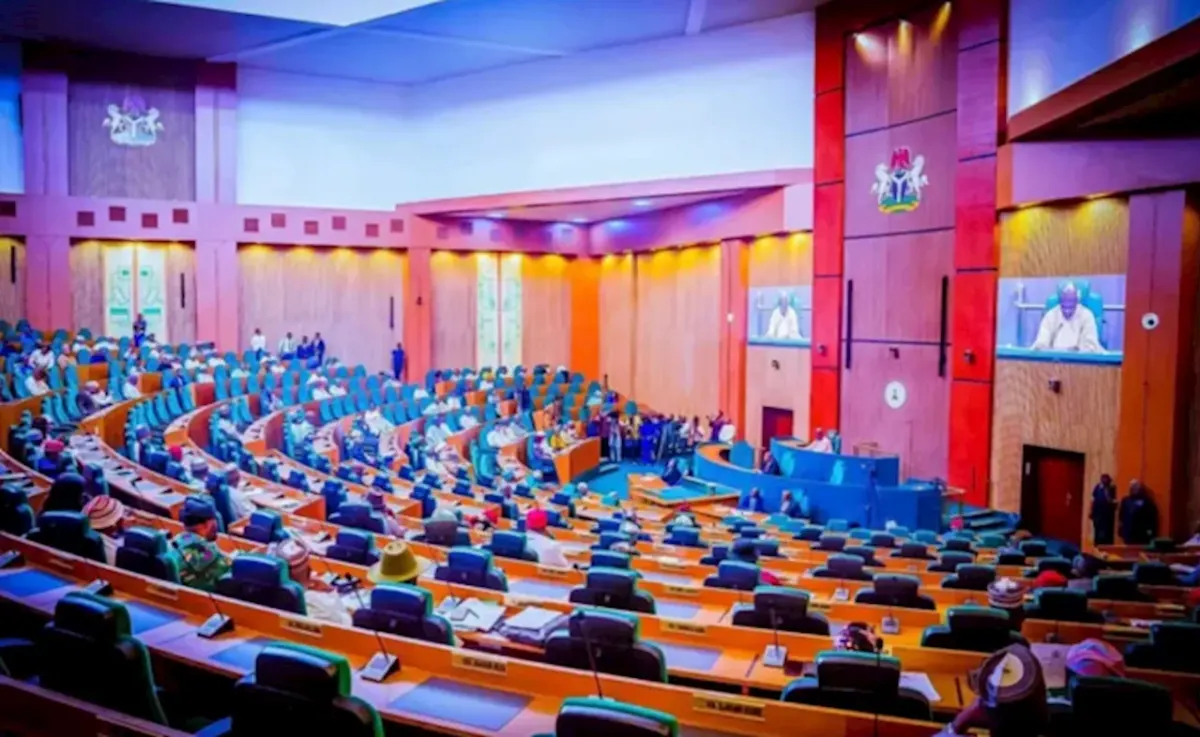
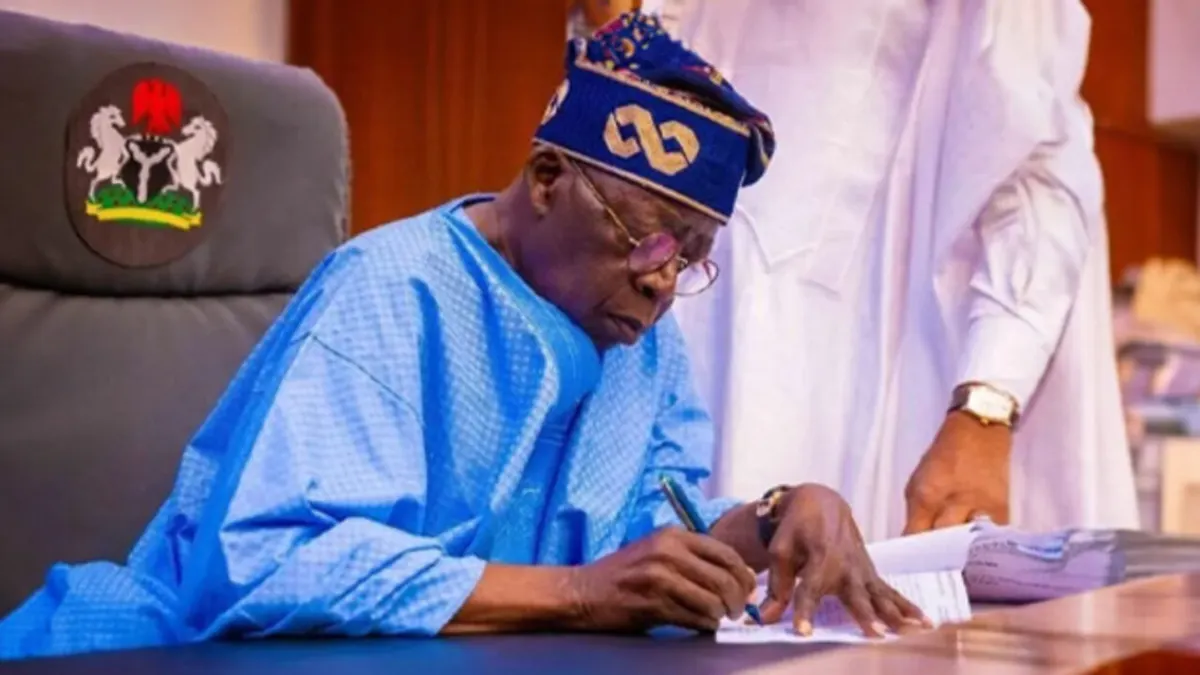
The PFIPC was allocated over N1.3 billion in the 2026 national budget. This raises critical questions about Nigeria’s budgetary oversight. How did a non-existent agency secure such a substantial allocation? The incident points to a breakdown in the verification processes within the National Assembly and the executive branch. President Tinubu has ordered the Independent Corrupt Practices and Other Related Offences Commission (ICPC) to investigate the matter and report within 30 days. The outcome could reveal deeper institutional weaknesses.
Adeyemi’s allegations against Gbajabiamila add a political dimension to the scandal. He claimed Gbajabiamila demanded N400 million through a proxy to facilitate his appointment. Gbajabiamila’s lawyers have denied the allegations, calling them false and threatening a N10 billion defamation suit. Adeyemi later admitted he had never met Gbajabiamila in person, casting doubt on the veracity of his claims. This inconsistency highlights the need for thorough investigation to separate fact from fiction.
The scandal has exposed a troubling pattern of impunity within Nigeria’s public sector. Adeyemi’s ability to operate a fake agency for years, secure budgetary allocations, and interact with government officials without detection underscores systemic vulnerabilities. It also raises concerns about the effectiveness of anti-corruption agencies. The EFCC, ICPC, and police must demonstrate their capacity to hold powerful individuals accountable and restore public trust in Nigeria’s institutions.