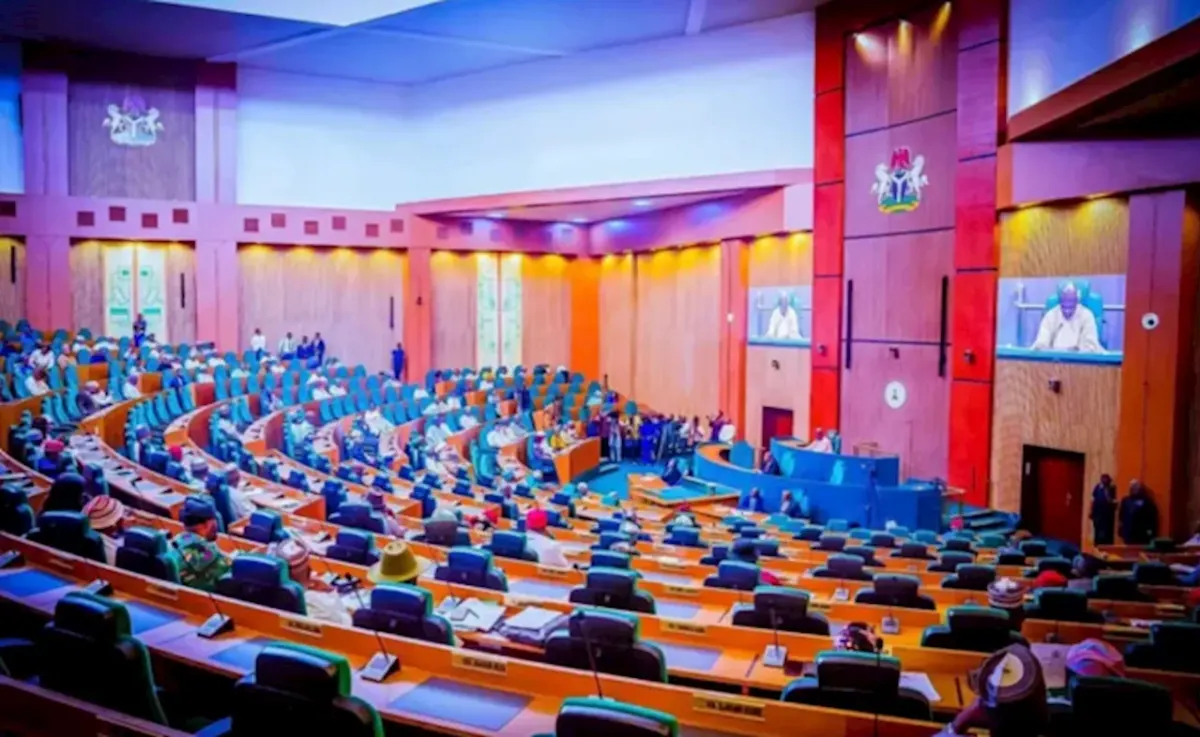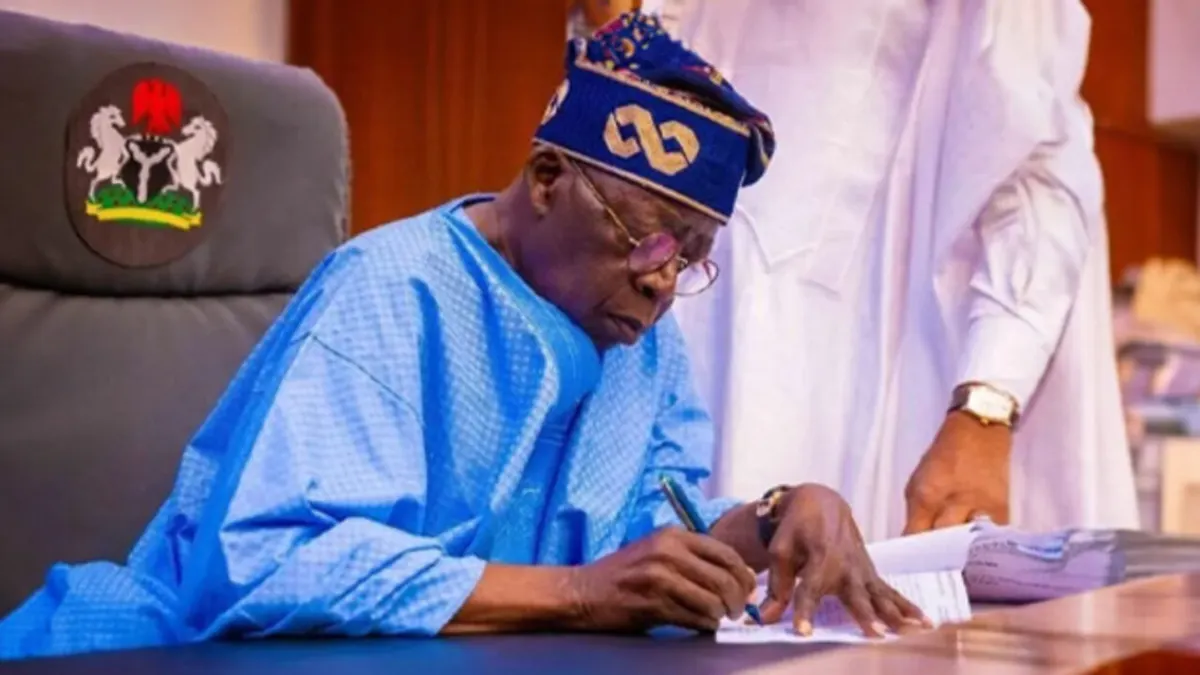
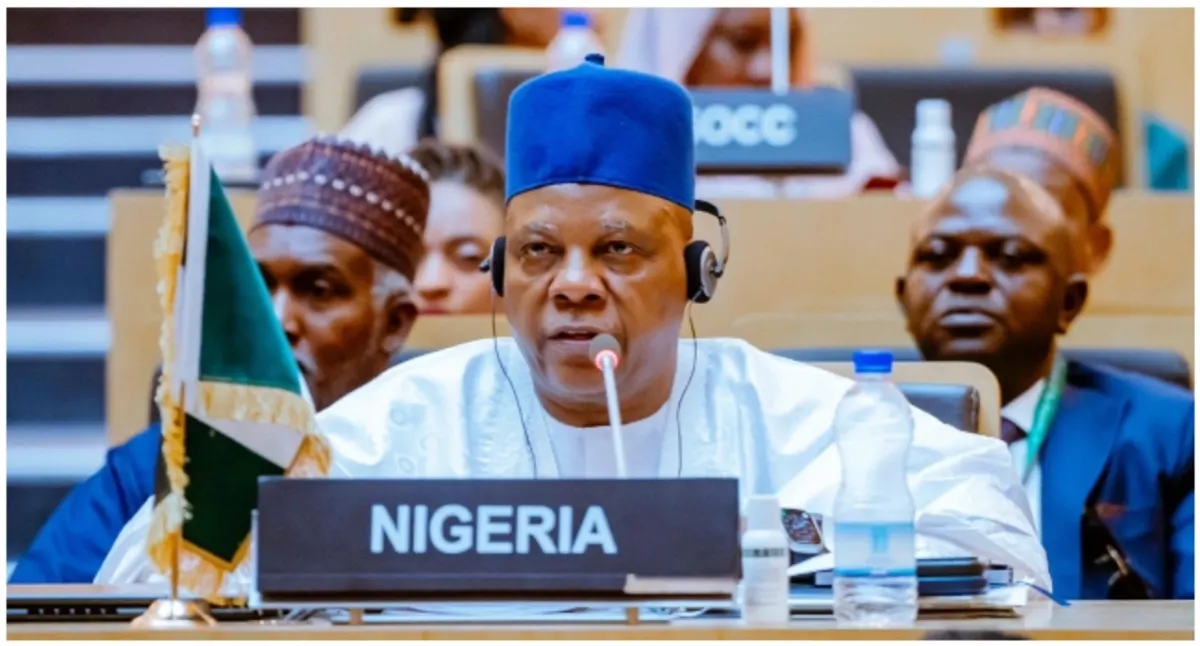
Vice President Kashim Shettima landed in Freetown on July 19 to represent President Bola Tinubu at the 69th ECOWAS Ordinary Session. The summit opened with a stark reminder of Nigeria’s shrinking regional influence. Eleven heads of state attended in person. Nigeria sent its vice president. This was not a scheduling conflict. It was a calculated signal.
The delegation list revealed deeper fractures. Sierra Leone’s President Julius Maada Bio hosted. Benin’s Romuald Wadagni, Ghana’s John Mahama, and Senegal’s Bassirou Diomaye Faye arrived without deputies. Côte d’Ivoire’s Alassane Ouattara and Liberia’s Joseph Boakai followed the same protocol. Only Nigeria and Guinea-Bissau broke rank. Umaro Sissoco Embaló also dispatched a vice president. The optics were unmistakable. Nigeria’s seat at the high table now carries less weight than its population or economy would suggest.
The agenda sharpened the contrast. Peace and security dominated discussions. Mali, Burkina Faso, and Niger—three military-ruled states—have exited ECOWAS. Their absence left a 60 million-person hole in the bloc’s demographic map. The remaining leaders debated a six-pillar integration strategy unveiled in June. The pillars—trade facilitation, infrastructure, digital economy, energy, agriculture, and free movement—require unanimous ratification. Nigeria’s delegation lacked the authority to commit. Shettima could listen. He could not decide.
Economic integration suffered the same paralysis. The ECOWAS Business Council brought Aliko Dangote to Freetown. His presence underscored Nigeria’s private sector clout. Yet his voice carried no legislative mandate. Dangote lobbied for a single currency and unified customs code. The heads of state deferred decisions to technical committees. Nigeria’s delegation could only observe. The pattern repeated across infrastructure and digital economy debates. Nigeria’s representatives took notes. They did not shape outcomes.
Democratic governance debates exposed Nigeria’s internal contradictions. ECOWAS has suspended Mali, Burkina Faso, and Niger for unconstitutional transitions. The bloc now faces a dilemma. Re-admission requires elections. The juntas refuse. Nigeria’s delegation proposed a phased re-engagement. The proposal lacked specifics. Ghana’s Mahama and Senegal’s Faye countered with a harder line. They demanded concrete transition timelines. Nigeria’s position appeared isolated. Shettima’s delegation could not bridge the gap.
The summit’s overlooked structural flaw was Nigeria’s diplomatic bandwidth. Tinubu’s administration has focused on domestic crises. Fuel subsidy removal, naira devaluation, and insecurity have consumed executive attention. Regional diplomacy has become an afterthought. Nigeria’s foreign ministry operates with 30% fewer career diplomats than in 2015. The ECOWAS permanent mission in Abuja has not filled three ambassadorial slots since 2023. The delegation in Freetown included two ministers and a high commissioner. The team lacked a single career diplomat with West African expertise.
Trade negotiations revealed the cost of this neglect. ECOWAS adopted a common external tariff in 2015. Nigeria has implemented only 68% of the schedule. Ghana and Côte d’Ivoire have reached 92%. The gap costs Nigeria $1.2 billion annually in lost customs revenue. The Freetown summit debated a 2027 deadline for full compliance. Nigeria’s delegation requested an extension. The request was denied. Ghana’s Mahama cited Nigeria’s non-compliance as a breach of regional trust. The decision will cost Nigeria an additional $800 million in tariff adjustments.
The summit’s final communiqué buried Nigeria’s isolation in diplomatic language. The document “noted Nigeria’s continued commitment to regional integration.” The phrasing was telling. Other member states received stronger endorsements. Côte d’Ivoire’s Ouattara was “commended for leadership on the single currency.” Senegal’s Faye was “recognized for advancing democratic governance.” Nigeria’s contribution merited a passive verb. The message was clear. Nigeria remains a member. It is no longer a leader.