
Former Vice President Atiku Abubakar has escalated the controversy surrounding the Presidential Foreign Intervention Promotion Council (PFIPC) by demanding an independent investigation into the alleged N1.3 billion scam. The call follows revelations that the non-existent agency secured budgetary allocation in the 2026 Appropriation Act, raising questions about institutional complicity within the Tinubu administration. Atiku’s intervention shifts the narrative from a simple forgery case to a systemic failure of governance.
The PFIPC scandal erupted when presidential spokesperson Bayo Onanuga disclosed that Adeniyi Adeyemi, the self-styled director-general, had been charged with forgery. Onanuga claimed Adeyemi fabricated appointment letters and operated under the guise of a non-existent agency. However, Atiku’s statement on Thursday, issued through his aide Phrank Shaibu, dismantles the presidency’s narrative. He highlights a glaring contradiction: the 2026 budget allocated N1.3 billion to an agency the presidency insists does not exist. This discrepancy exposes a breakdown in fiscal oversight and legislative scrutiny.
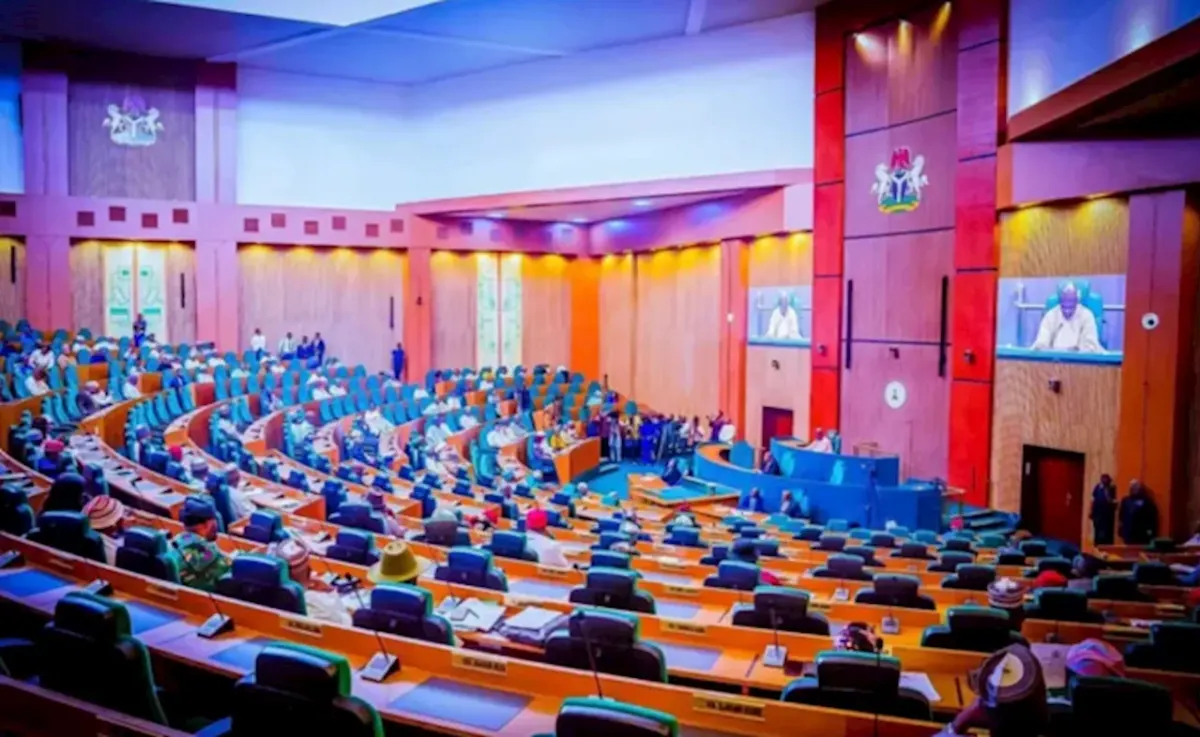
The National Assembly’s role in this scandal is particularly damning. Atiku questions how lawmakers approved budget estimates for an agency without verifying its legitimacy. He argues that the insertion of PFIPC into the appropriation bill suggests either gross negligence or deliberate collusion. The former vice president’s demand for answers targets specific oversight committees, asking which lawmakers scrutinized the budget and who signed it into law. This line of inquiry underscores the erosion of checks and balances in Nigeria’s governance structure.
Atiku’s critique extends to the Central Bank of Nigeria (CBN), which he accuses of enabling the scam. He demands an explanation for how a fictitious agency operated bank accounts, bypassing regulatory safeguards. The CBN’s silence on this matter raises concerns about the integrity of Nigeria’s financial institutions. If an unknown entity could secure banking services without proper documentation, it signals a systemic vulnerability that could be exploited for larger-scale fraud. This angle of the scandal has received scant attention, yet it reveals deeper institutional rot.
The Economic and Financial Crimes Commission (EFCC) faces scrutiny for its selective approach to the case. Atiku accuses the anti-graft agency of pursuing opposition figures while hesitating to investigate allegations involving government officials. This perceived bias undermines public trust in the EFCC’s independence. The Adeyemi case, if mishandled, could reinforce the narrative that Nigeria’s anti-corruption agencies are tools of political persecution rather than impartial enforcers of the law. Atiku’s demand for a transparent probe aims to restore credibility to the EFCC’s operations.
A lesser-explored dimension of this scandal is the physical presence of the PFIPC within the Federal Secretariat. Atiku’s statement questions how an unknown actor established an office in a government complex supervised by the Secretary to the Government of the Federation (SGF). This detail suggests that the scam was not merely a digital or paper-based fraud but involved physical occupation of government premises. The failure of security agencies to detect this anomaly points to a culture of impunity within the civil service, where unauthorized entities operate with minimal oversight.
The timing of the scandal, ahead of the 2027 elections, adds a political dimension. Atiku’s call for an independent probe is not just about accountability but also about positioning himself as a reformist alternative to the Tinubu administration. His emphasis on “no sacred cows” and “no political protection” resonates with voters disillusioned by perceived government corruption. However, the presidency’s response to Atiku’s demands will be critical. If the administration resists an independent investigation, it risks validating accusations of a cover-up, further eroding public confidence.
The PFIPC scandal is not an isolated incident but a symptom of broader governance failures. Atiku’s demand for a probe forces a reckoning with Nigeria’s institutional weaknesses—from legislative oversight to financial regulation and anti-corruption enforcement. The outcome of this investigation could set a precedent for how future governance scandals are addressed. For now, the ball is in the presidency’s court. The administration’s next move will determine whether this scandal becomes a turning point for accountability or another footnote in Nigeria’s history of unchecked corruption.