
The United States launched a second wave of strikes against Iran on Wednesday night. Explosions rocked Iranian coastal cities within hours of President Donald Trump declaring the ceasefire over. Iran retaliated by targeting American military bases in Kuwait and Bahrain. The escalation has pulled Gulf states into a direct confrontation they have long sought to avoid.
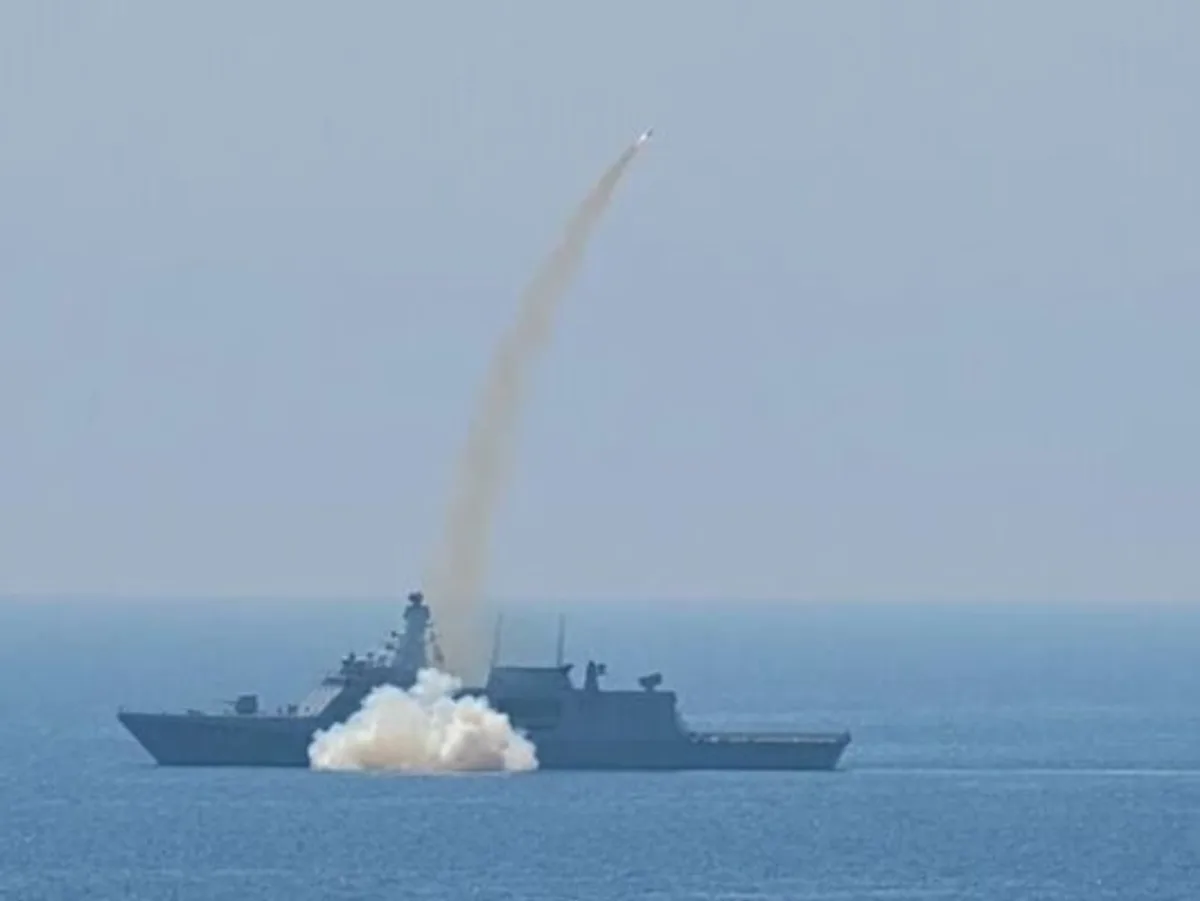
The US Central Command confirmed the strikes hit over 90 Iranian military targets. These included air defence systems, coastal surveillance assets, missile and drone storage sites, and naval infrastructure along Iran’s southern coastline. CENTCOM stated the attacks aimed to degrade Iran’s ability to threaten freedom of navigation in the Strait of Hormuz. The command added that the strikes were ordered to hold Iran accountable for recent attacks on civilian vessels in the strait.
Iran’s Islamic Revolutionary Guard Corps responded with missile and drone attacks on US bases in Kuwait and Bahrain. The IRGC warned that any further US strikes would trigger expanded attacks on American military installations across the region. Kuwait’s army confirmed its air defence systems intercepted hostile missiles and drones. Bahrain activated air raid sirens as Iranian projectiles targeted the US Fifth Fleet headquarters in Juffair.
The latest round of violence erupted after Iran fired on civilian ships attempting to cross the Omani side of the Strait of Hormuz. Iran claimed the ceasefire allowed it to control ship movement during the truce. The US rejected this interpretation. President Trump revoked the temporary suspension of sanctions on Iranian oil sales following the attacks. He accused Iran of exploiting the funeral of Supreme Leader Ali Khamenei to launch strikes while seeking a temporary pause in hostilities.
The Strait of Hormuz remains the flashpoint of the conflict. Iran views control of the waterway as its primary deterrent against US military action. The US and its allies insist on unrestricted navigation through the strait. This strategic divide has turned the 39-kilometre-wide channel into a battleground. Over 20% of the world’s oil passes through the strait daily. Disruptions here send global energy markets into turmoil.
The involvement of Kuwait and Bahrain marks a dangerous expansion of the conflict. Both nations host critical US military infrastructure. Kuwait’s Camp Arifjan and Ali Al Salem Air Base were struck by Iranian missiles. Bahrain’s Sheikh Isa Air Base and the US Naval Support Activity in Juffair were also hit. These attacks signal Iran’s willingness to target American assets beyond its immediate borders. The IRGC statement explicitly threatened broader retaliation if the US continues its strikes.
The timing of the attacks coincides with the funeral of Ayatollah Ali Khamenei. Iran’s leadership has used the mourning period to rally domestic support. The US strikes on civilian infrastructure during this time risk inflaming public sentiment. Iran’s chief negotiator declared the strait would only reopen under Iranian arrangements. This defiance suggests Tehran is prepared to escalate further rather than concede control of the waterway.
The US has conducted at least 170 strikes on Iranian targets over the past two days. President Trump claimed the US had already won militarily. He also suggested Iran was eager to return to negotiations. However, his administration’s actions indicate a preference for military pressure over diplomacy. The revocation of oil sanctions and the naval blockade threat reveal a strategy aimed at crippling Iran’s economy while degrading its military capabilities.
The conflict’s regional spillover exposes the fragility of Gulf state neutrality. Kuwait and Bahrain have historically maintained cautious relations with both the US and Iran. Their involvement in the current hostilities could destabilise internal politics. The attacks on their soil may force these nations to choose sides. This dynamic risks transforming a bilateral US-Iran conflict into a broader regional war.