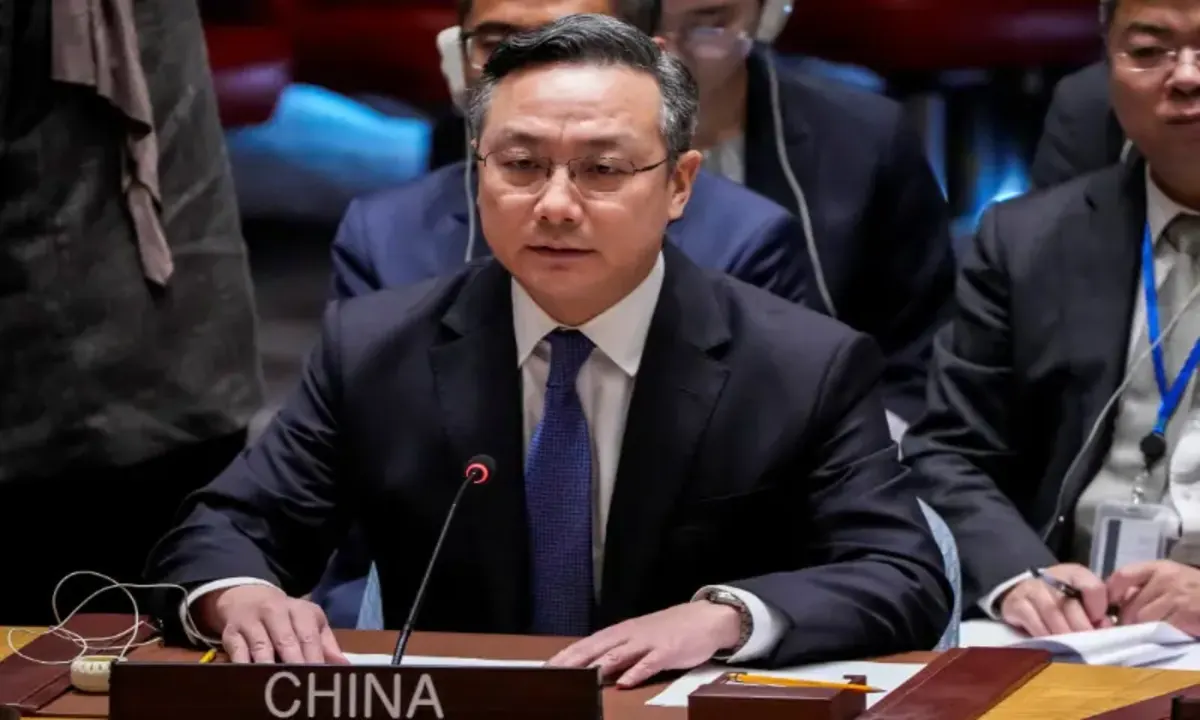

Iran has formally suspended its interim agreement with the United States. The move follows a seventh consecutive night of military strikes that left desalination plants in Kuwait and southern Iran in flames. Deputy Foreign Minister Kazem Gharibabadi told state media the US had violated every obligation under the Islamabad Memorandum of Understanding. Tehran will now stop implementing its commitments until Washington ends what it calls aggression.
The suspension was announced hours after Iranian missiles struck a Kuwaiti desalination plant and an oil facility. Kuwait depends on desalination for 90 percent of its drinking water. The attacks forced several power generation units offline and injured multiple workers. Kuwait Petroleum Corporation confirmed significant damage to one of its installations. Firefighting crews reported two separate blazes at targeted sites. Five teams were dispatched to the first location and three to the second. Injured personnel were evacuated for treatment.
Kuwait’s military intercepted hostile ballistic missiles and drones in its airspace. The Ministry of Electricity, Water and Renewable Energy reported a second attack on a power and water distillation plant. A fire erupted in one component, deactivating additional power units. The Kuwaiti Army said an army barracks was also hit, injuring several personnel. The Foreign Ministry condemned the strikes as systematic and aggressive, targeting civilian infrastructure and endangering lives.
In Iran, US strikes destroyed the Bonji desalination plant in Hormozgan province. Water supplies were cut to approximately 10,000 people. A desalination plant on Qeshm Island inside the Strait of Hormuz was also damaged. Overnight strikes disrupted a main highway toward Bandar Abbas, Iran’s primary port near the strait’s narrowest point. Three bridges were hit, including one on a critical route to the port. Iran’s Energy Ministry issued a call for reduced power usage in southern provinces experiencing extreme heat.
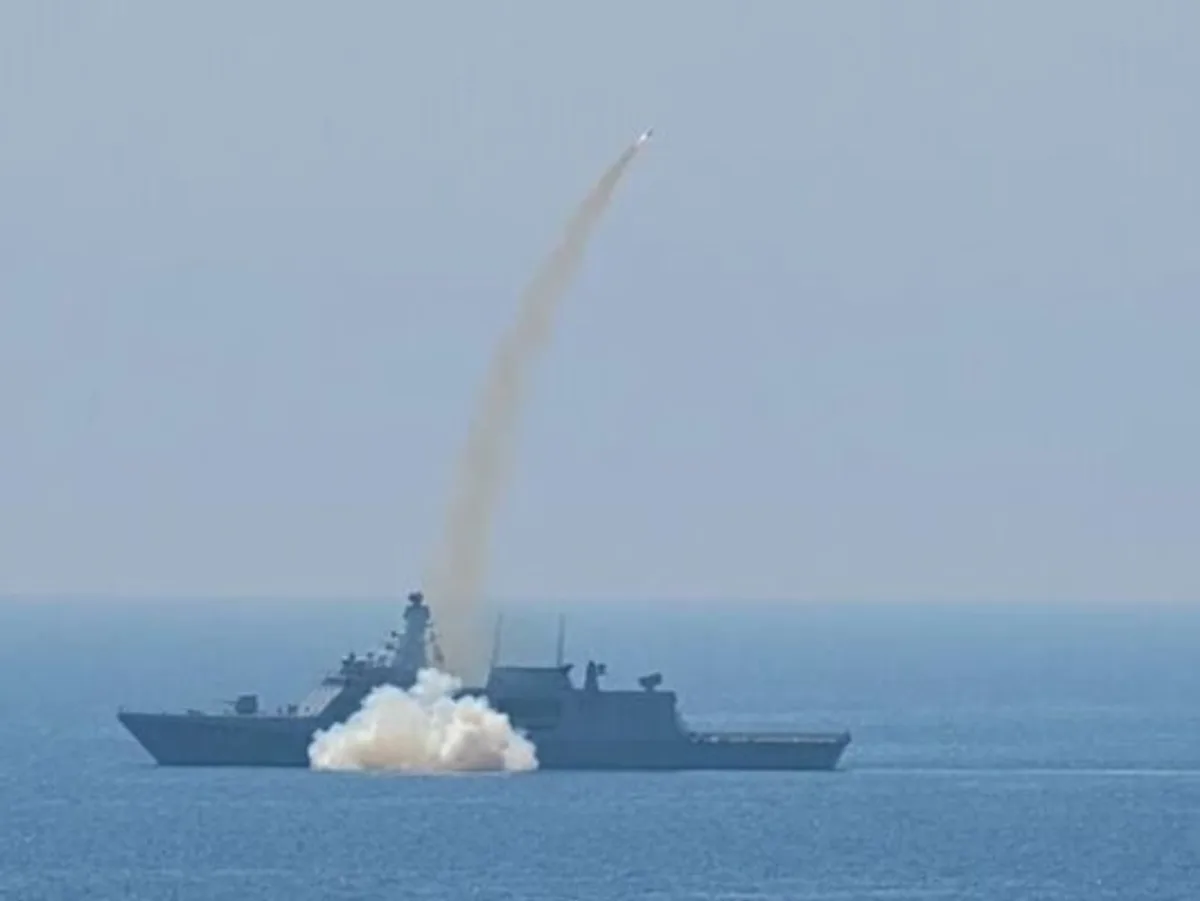
The Strait of Hormuz has become the focal point of the conflict. Iran claims sole control over the waterway and demands fees from vessels. The US considers it an international waterway. Crossings through the strait have fallen to a three-week low. Iran fired on ships in recent days, while the US enforced a naval blockade on Iranian ports. The Islamic Revolutionary Guard Corps warned countries hosting US forces to expect retaliatory strikes. Iran state television reported that no oil or gas exports would leave the region until US aggression ends.
Kuwait, Bahrain, and Jordan all reported Iranian strikes on Saturday. Kuwait International Airport suspended operations due to missile and drone threats. Kuwait Airways rescheduled most flights to and from the capital. In Bahrain, air sirens sounded repeatedly. Jordan’s air defense systems downed Iranian missiles. Iraq shot down attack drones over Irbil. The US Central Command said its strikes employed fighter aircraft, drones, and warships. More than 50,000 American service members are deployed across the Middle East.
The economic ripple effects are already visible. Kuwait’s stock exchange dropped 2.3 percent in early trading. Global oil prices spiked 4.7 percent to $92 per barrel. Analysts warn that sustained disruption to desalination plants could trigger water shortages in Gulf states within days. Kuwait’s desalination capacity has been reduced by 35 percent since the attacks began. Iran’s Bonji plant served as a backup water source for Bandar Abbas. Its destruction leaves the port city vulnerable to acute shortages during peak summer demand.
Diplomatic efforts have stalled. The US has not responded to Iran’s suspension of the interim deal. Mediation attempts by Oman and Qatar have not resumed. US President Donald Trump has resumed threats to target Iranian infrastructure. The White House declined to rule out a ground assault on Iranian islands. Iran’s supreme leader adviser Mohsen Rezaei warned against any attempt to seize Iranian territory. The conflict shows no signs of de-escalation as both sides dig in for a prolonged struggle over regional control.