
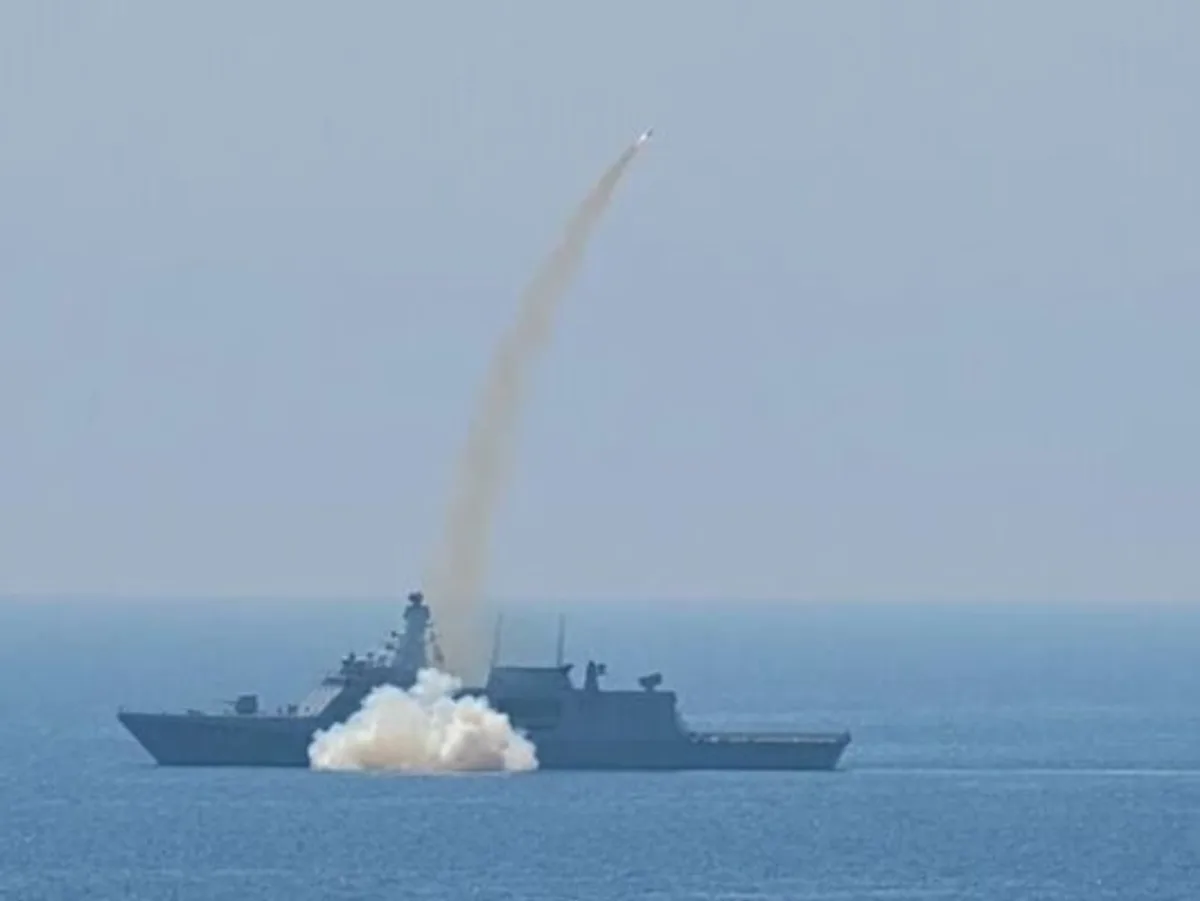
Iran’s Islamic Revolutionary Guard Corps launched drone and missile strikes on US-linked facilities in Kuwait and Bahrain on July 18. The attacks targeted Al Ahmadi Port, Sheikh Isa Air Base, and a US intelligence data center in Bahrain. Kuwait Petroleum Corporation confirmed damage to an oil sector facility. Workers and firefighters were injured while responding to fires. Bahrain intercepted multiple aerial attacks, activating air raid sirens across the kingdom.
The IRGC described the strikes as the 19th wave of "Operation Nasr 2," retaliating for seven consecutive nights of US airstrikes. Kuwait temporarily closed its airspace, suspending flights at Kuwait International Airport. Kuwait Airways rescheduled most flights due to the security situation. Bahrain’s military remained on high alert, urging residents to seek shelter. The attacks disrupted power generation and water desalination plants, leaving thousands without stable services.
The Strait of Hormuz emerged as a critical flashpoint. Iran claimed it intercepted vessels violating its shipping rules. The US redirected and boarded commercial ships as part of its naval blockade. Analysts warn the escalation risks disrupting global energy supplies. Oil futures jumped 3.2% to $87.40 per barrel after the Kuwaiti port strike. Bahrain’s desalination outages forced water rationing for 50,000 residents.
Kuwait’s Ministry of Electricity confirmed a fire at a power and water desalination plant. Emergency teams disconnected units to stabilize the national grid. The ministry activated contingency plans to maintain services. Iran reported civilian casualties from US strikes in Hormozgan province. Seven to eight civilians died in attacks damaging bridges, residential areas, and a desalination plant. The US Central Command stated its operations targeted Iranian military logistics and surveillance systems.
Jordan intercepted four drones entering its airspace over the past 24 hours. The IRGC claimed it struck Al-Azraq Air Base, destroying two American fighter jets. Jordan denied any damage to the base or US aircraft. The US and Iran continue exchanging strikes despite a Pakistan-brokered memorandum of understanding signed in June. The agreement collapsed last week, escalating tensions further. Analysts warn the conflict could trigger a wider regional war.
The attacks reveal a deliberate Iranian strategy to cripple civilian infrastructure. Kuwait and Bahrain host critical US military installations, making them prime retaliation targets. The strikes on desalination plants and power grids mirror Iran’s asymmetric warfare doctrine. This tactic was previously used by Houthi rebels in Yemen against Saudi energy facilities. The pattern suggests a calculated effort to destabilize Gulf economies.
Regional diplomacy has failed to de-escalate the crisis. Pakistan’s mediation efforts collapsed after Iran suspended the Islamabad MoU. The US maintains a naval blockade, further isolating Iran. The IRGC’s expanding target list now includes intelligence centers and telecommunications hubs. This shift indicates a strategic pivot from symbolic strikes to crippling operational capabilities. The conflict exposes the fragility of Gulf security architectures.
Kuwait’s Foreign Ministry condemned the attacks as "heinous aggression" targeting civilian facilities. The ministry reserved the right to protect its territory under international law. Bahrain described the strikes as violations of humanitarian law. The US continues enforcing its naval blockade around Iran. Over 50,000 American personnel remain deployed across the Middle East. The latest escalation follows the collapse of a ceasefire agreement last week.