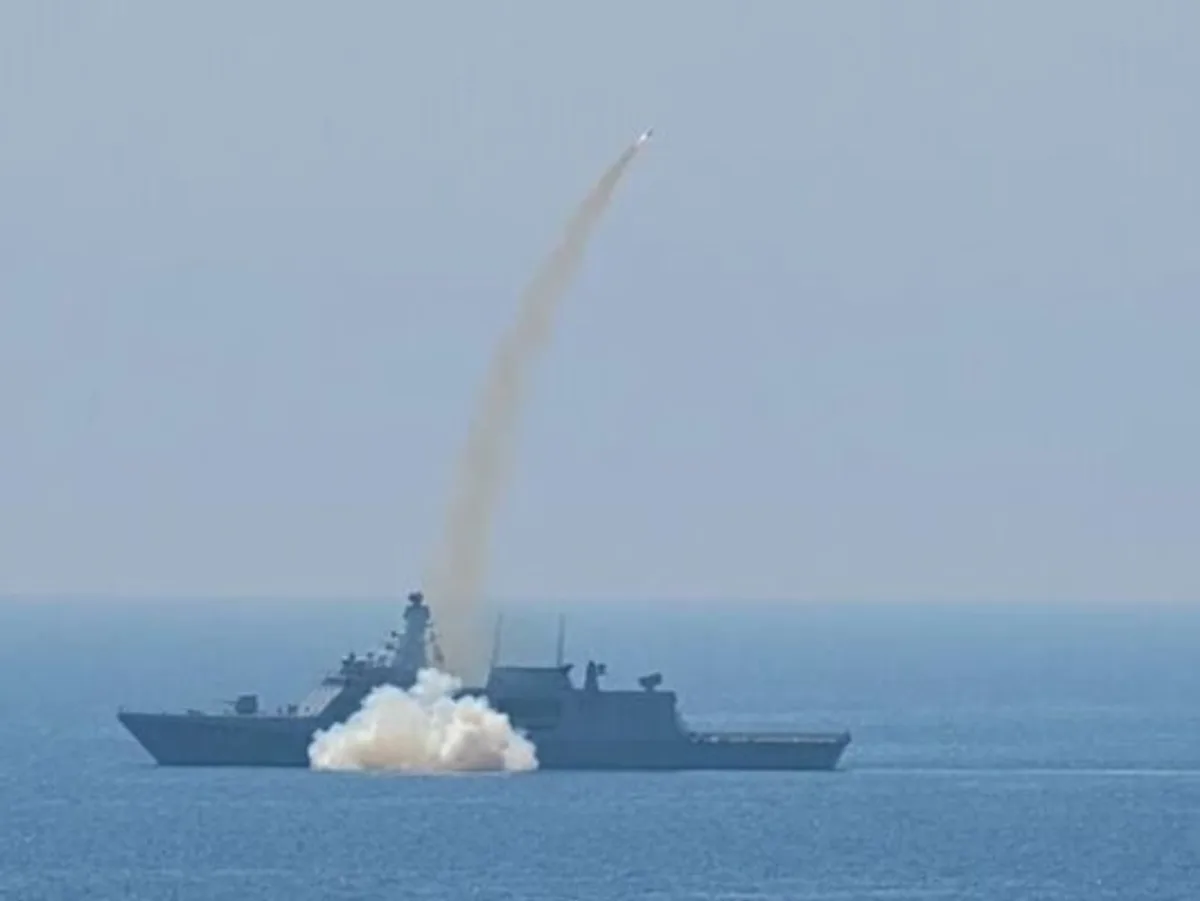

The United States launched precision strikes against over 80 Iranian military targets on July 7, 2026. The operation came hours after three commercial tankers were attacked in the Strait of Hormuz. U.S. Central Command confirmed the strikes hit Iranian air defense systems, coastal radar sites, anti-ship missile launchers, and drone launch pads. Iran’s foreign ministry immediately warned of decisive retaliation, calling the strikes a violation of the Islamabad memorandum of understanding.
The Strait of Hormuz remains the world’s most critical oil chokepoint. The three tankers struck included a Qatari liquefied natural gas vessel, a Saudi crude oil carrier, and a Liberian-flagged ship. The British maritime security agency UKMTO reported at least one tanker was hit by a drone. Another suffered fire after an unknown projectile struck its engine room. Qatar condemned the attacks as a direct threat to global energy security. Iran dismissed the accusations, calling them fabricated and insisting it remains committed to the ceasefire.
The U.S. strikes were not limited to military infrastructure. Washington revoked a general license that had allowed Iran to sell crude oil under the interim ceasefire agreement. The license, issued on June 22, was set to expire on August 21. The U.S. gave Iran just ten days to wind down existing transactions. Oil prices surged more than 3% following the announcement. Iran’s foreign ministry condemned the move, warning the U.S. would bear responsibility for the economic fallout.
The timing of the strikes exposes a strategic miscalculation in the ceasefire negotiations. The truce was intended to create a 60-day window for talks on Iran’s nuclear program and regional security. Indirect negotiations in Qatar collapsed last week without progress. U.S. President Donald Trump had warned that military action would resume if diplomacy failed. Iran’s Foreign Minister Abbas Araqchi responded that negotiations could not proceed under military threats.
The U.S. operation targeted over 60 Islamic Revolutionary Guard Corps small boats. These vessels have been used to harass commercial shipping in the past. The strikes signal a shift from symbolic retaliation to a sustained campaign to dismantle Iran’s maritime coercion capabilities. Iran retaliated by striking military sites in Bahrain and Kuwait, where U.S. forces are stationed. This escalation risks drawing Gulf allies into a wider regional conflict.
The economic consequences of the crisis are already visible. The Strait of Hormuz handles about 20% of the world’s oil supply. Any disruption sends immediate shockwaves through global markets. The U.S. revocation of Iran’s oil license tightens sanctions and signals a return to maximum pressure tactics. Iran has historically used the strait as leverage in negotiations. Oman’s proposal for a temporary shipping corridor along its coastline remains opposed by Iran, which seeks to impose transit fees on vessels.
The international response to the crisis has been fragmented. The UK and France proposed a multinational mission to secure the Strait of Hormuz once hostilities cease. In a joint statement, British Prime Minister Sir Keir Starmer and French President Emmanuel Macron called the strait a vital artery for the global economy. They pledged to work with Oman to ensure safe navigation. Iran warned that any foreign involvement in the strait would be seen as a provocation, complicating efforts to establish a long-term security framework.
Iran’s insistence on maintaining unilateral control over the strait undermines the ceasefire’s intent. Under the interim agreement, Iran and Oman were tasked with defining the future administration of the waterway. Yet Iran continues to demand that ships seek permission to transit. It has also raised the specter of future tolls. This stance keeps the region on the brink of conflict. With the U.S. and Iran locked in a cycle of retaliation, the prospects for a lasting agreement appear increasingly remote.