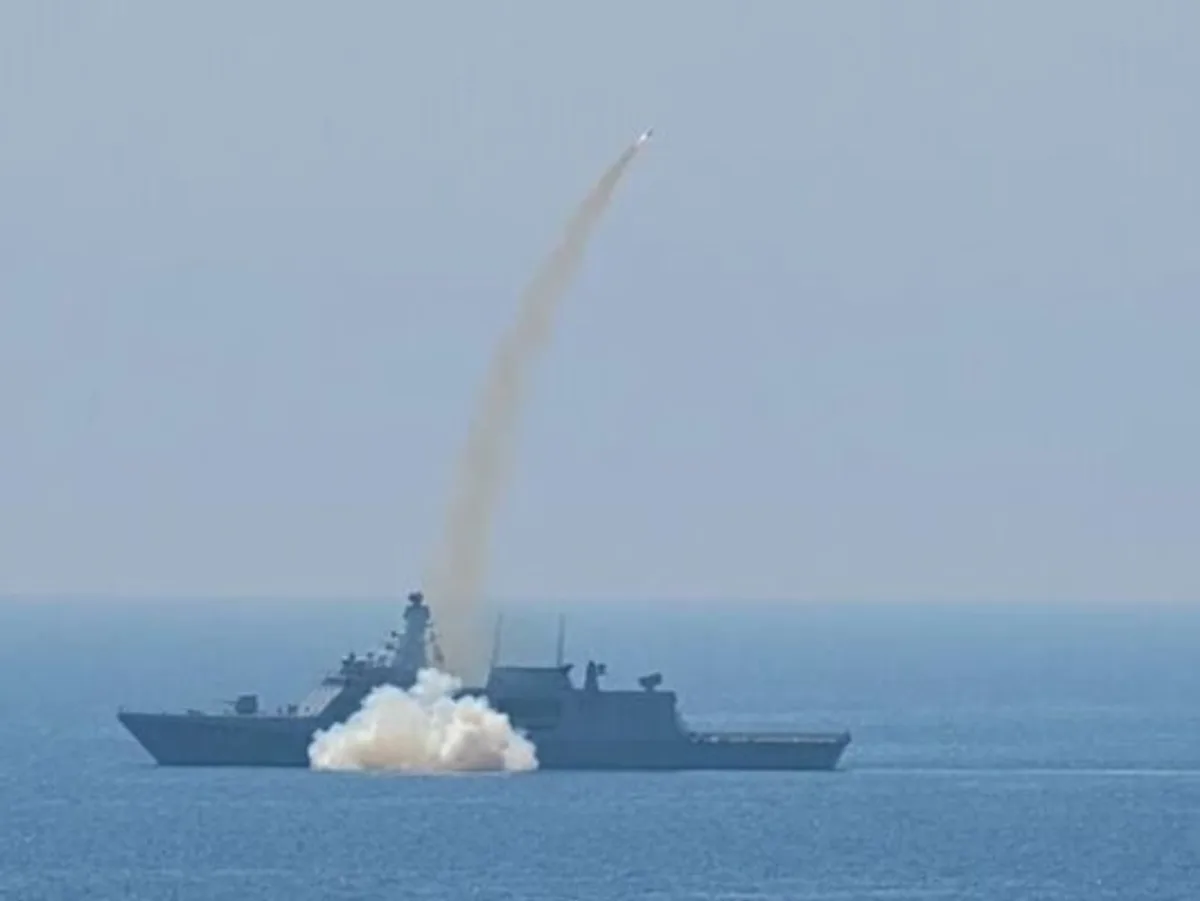
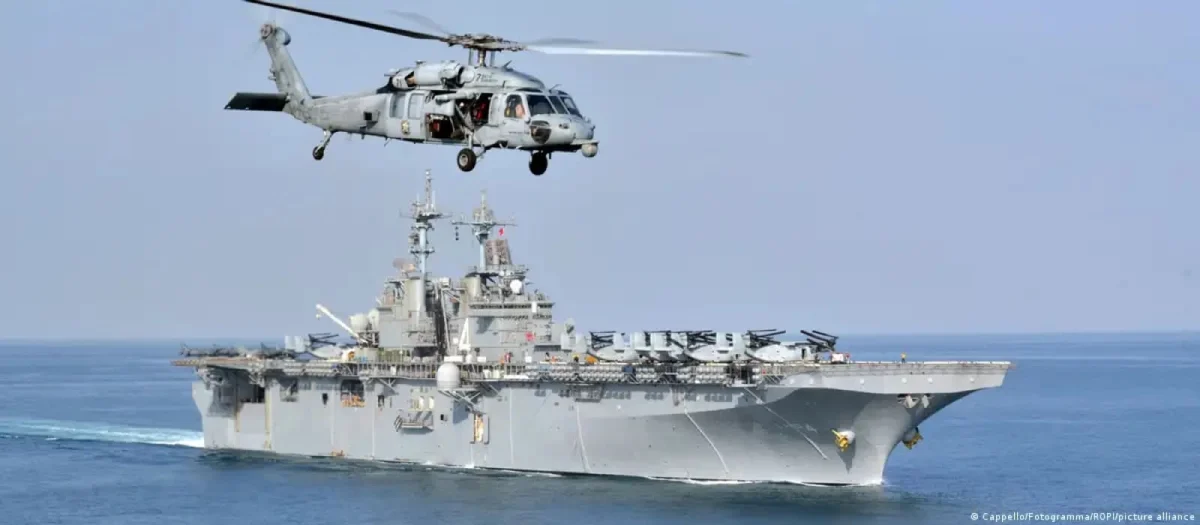
The United States and Iran have reignited hostilities in the Persian Gulf. Overnight strikes targeted military installations in Bahrain and Kuwait. Iran responded to US bombings with missile attacks on 85 American bases. The conflict threatens to destabilize the entire region. Gulf nations now face economic, political, and security crises they never sought.
Bahrain absorbed the first wave of Iranian retaliation. The kingdom hosts the US Navy’s Fifth Fleet. Iranian missiles struck near residential and commercial zones. Civilian life in Manama ground to a halt. Schools closed. Flights were diverted. The government arrested hundreds for online posts deemed sympathetic to Iran. Bahrain’s Sunni monarchy rules over a Shiite majority. This sectarian divide deepens with every Iranian strike. Authorities fear internal unrest more than external attacks. The crackdown on dissent has already begun.
Kuwait suffered the heaviest bombardment. The country hosts 13,500 US personnel across two air bases. Iran’s Revolutionary Guards claimed responsibility for the strikes. Kuwait’s government initially pursued neutrality. It positioned itself as a mediator during earlier tensions. That stance collapsed when Iranian missiles rained down. Kuwait’s foreign ministry issued its strongest condemnation yet. The shift signals a broader realignment in Gulf diplomacy. Countries once reluctant to pick sides now find themselves forced into the conflict.
Saudi Arabia remains unscathed but not untouched. Iran has not directly attacked the kingdom. Yet Saudi oil infrastructure remains a prime target. The Strait of Hormuz blockade forced Riyadh to reroute exports. A pipeline to the Red Sea now carries the bulk of Saudi crude. This workaround is temporary. Prolonged conflict will choke global oil supplies. Saudi Arabia’s Vision 2030 hinges on economic diversification. War disrupts investment. It scares off foreign capital. The kingdom’s long-term plans hang by a thread.
The United Arab Emirates faces a different threat. Abu Dhabi and Dubai built reputations as safe financial hubs. Renewed hostilities tarnish that image. Investors flee volatile regions. The UAE’s oil exports also rely on the Strait of Hormuz. An inland pipeline offers limited relief. The country’s economic future depends on stability. War delivers the opposite. The UAE’s careful balancing act between the US and Iran now tilts toward Washington. Neutrality is no longer an option.
Qatar walks a finer line. It hosts Al Udeid, the largest US air base in the Middle East. Yet Qatar shares a massive gas field with Iran. The two countries maintain cordial relations. Qatar’s diplomats have mediated between Washington and Tehran. This week’s attacks complicate that role. Iran’s strikes on Bahrain and Kuwait drew sharp condemnation from Doha. Qatar’s foreign ministry called the attacks a violation of sovereignty. The statement marks a rare public rebuke. Qatar’s mediation efforts may now face irrelevance.
Oman’s neutrality is also under strain. The sultanate has no major US bases. It has avoided direct involvement in the conflict. Oman facilitated backchannel talks between the US and Iran. Those channels are now silent. The war’s escalation leaves Oman with fewer options. Its economy relies on maritime trade. The Strait of Hormuz blockade cripples that trade. Oman’s traditional role as a mediator fades as the conflict intensifies.
The Strait of Hormuz remains the conflict’s flashpoint. Iran now demands control over the waterway. It insists on fees for passage. The US rejects these demands. It insists on free navigation. The strait handles 20% of global oil supplies. Blockades send prices soaring. The latest strikes targeted ships near Omani waters. Iran’s Revolutionary Guards warned of more attacks. The US vowed to respond. This cycle of retaliation shows no signs of breaking.
Gulf nations now confront a harsh reality. They are pawns in a larger game. The US and Iran dictate the rules. Local economies suffer. Political stability frays. The war’s human cost mounts. Nearly 6,000 seafarers remain stranded. Ports lie abandoned. Families wait for news of loved ones. The conflict’s next phase could bring even greater devastation. Gulf leaders must choose between survival and surrender.