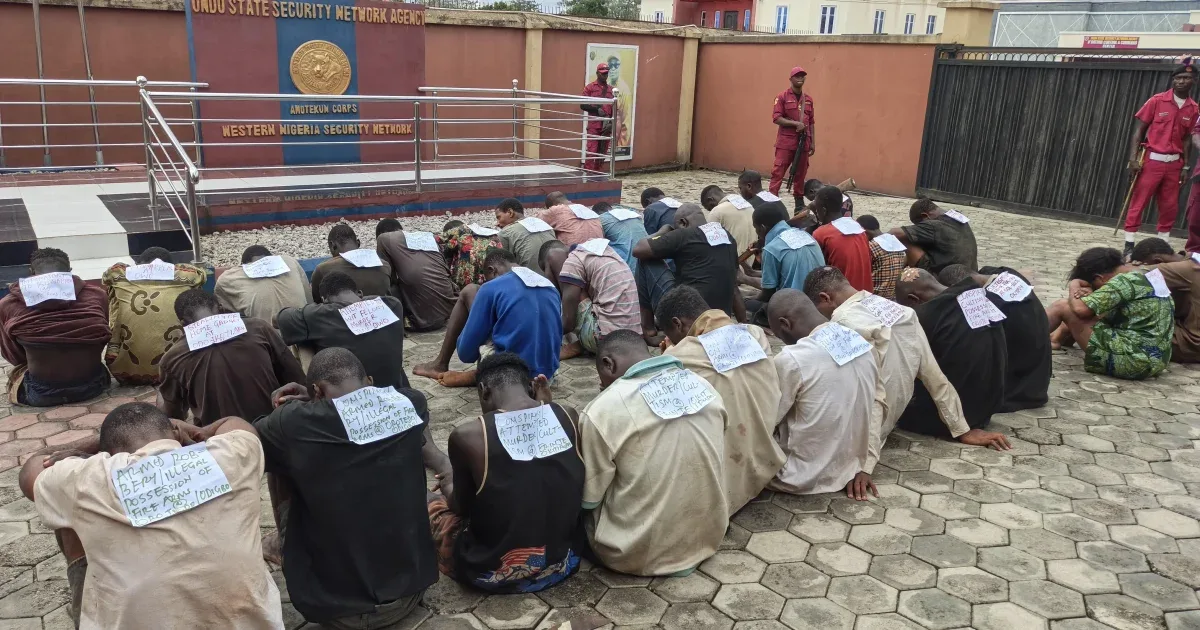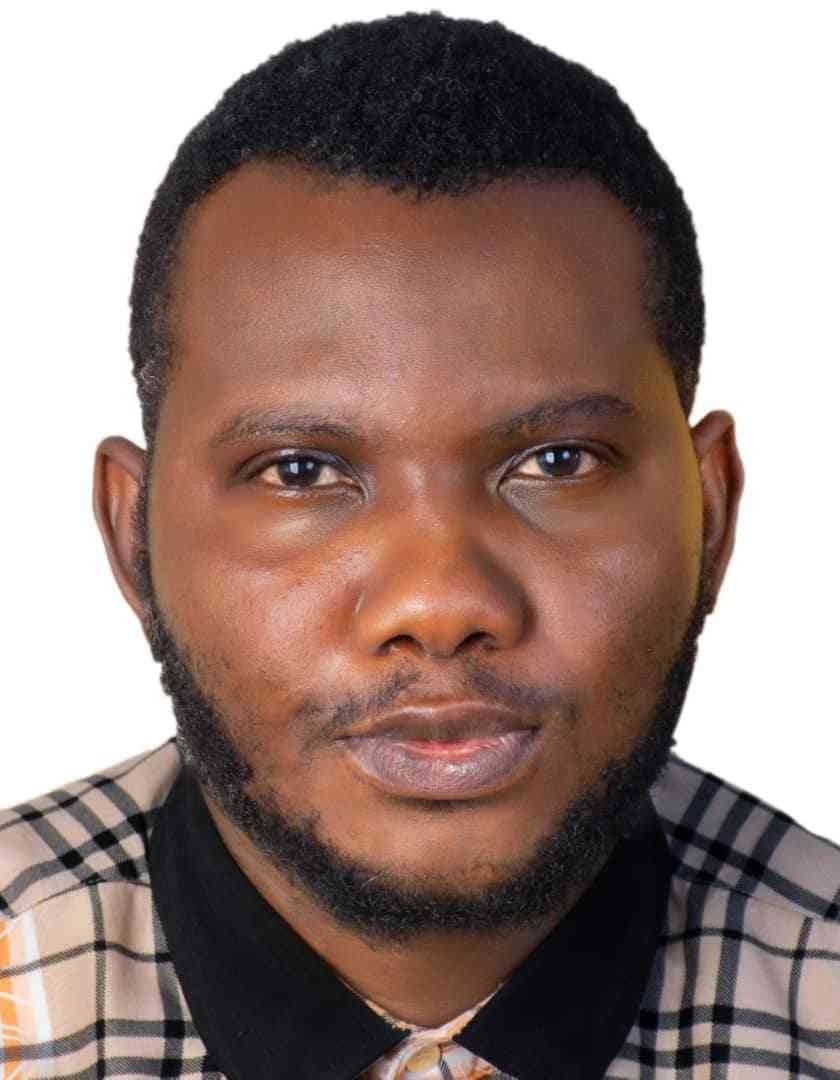

The Department of State Services (DSS) has dismantled a critical arms supply route linking northern Nigeria’s porous borders to Zamfara’s bandit strongholds. On June 12, operatives arrested 30-year-old Muhammad Abubakar in Gezawa Local Government Area of Kano State. He was caught transporting three AK-47 rifles, four RPG tubes, and two empty magazines destined for Saidu Marafa, a notorious bandit kingpin operating in Zamfara.
The arrest followed a targeted intelligence operation. DSS sources confirmed that Abubakar was intercepted before the weapons could leave Kano. The operation demonstrates the agency’s growing ability to penetrate criminal networks and sever the logistical lifelines that sustain armed violence. Forensic evaluation of the recovered weapons is underway, with prosecution expected to follow. This marks the latest in a series of successful DSS operations aimed at choking the flow of illicit arms into Nigeria’s northwest.
Abubakar, a transporter from Mokwa in Niger State, confessed to collecting the weapons from an individual identified only as Bello in Maigatari, a border town in Jigawa State. He claimed it was his first involvement in gunrunning but admitted he knew the weapons were intended for robbery. The suspect revealed he was promised N450,000 upon successful delivery to Funtua in Katsina State, a known hotspot for bandit activity. His confession underscores the financial incentives driving low-level operatives into Nigeria’s illicit arms trade.
The Maigatari-Jigawa axis has emerged as a critical transit point for weapons smuggled across Nigeria’s northern borders. Intelligence reports indicate that arms traffickers exploit the area’s weak border controls and dense commercial traffic to move weapons from Niger Republic and Chad into Nigeria. The recovered RPG tubes and AK-47 rifles are consistent with the firepower used by bandit groups in Zamfara and Katsina, suggesting a direct link between cross-border smuggling and rural insecurity.
Security analysts warn that the N450,000 payment offered to Abubakar reflects the high demand for weapons in Nigeria’s bandit economy. At current black-market rates, an AK-47 rifle sells for between N300,000 and N500,000, while an RPG tube can fetch up to N1.2 million. The financial scale of these transactions reveals a sophisticated criminal enterprise that operates parallel to Nigeria’s formal economy. The DSS has vowed to collaborate with other security agencies to trace and dismantle the broader network behind the smuggling operation.
The interception in Kano exposes a systemic failure in Nigeria’s border security architecture. Maigatari, a key entry point for smuggled goods, lacks adequate surveillance infrastructure. Local sources report that border communities often collude with traffickers, providing safe houses and logistical support in exchange for financial rewards. The DSS’s reliance on human intelligence for this operation highlights the limitations of Nigeria’s technological border monitoring capabilities, which remain underfunded and poorly integrated.
The arrest also raises questions about the role of state actors in facilitating arms trafficking. While Abubakar claimed he acted under pressure, his ability to move high-caliber weapons across multiple states suggests possible complicity within security agencies. Investigations into Bello’s identity and network may reveal deeper institutional corruption. The DSS has not disclosed whether any security personnel are under scrutiny, but analysts argue that sustained pressure on these networks will require addressing both criminal and official collusion.
For Zamfara’s beleaguered communities, the interception offers temporary relief. Bandit groups in the state have escalated attacks in recent months, using RPG-equipped fighters to overrun villages and military outposts. The recovered weapons, if deployed, could have enabled further massacres and kidnappings. The DSS’s success in Kano provides a blueprint for disrupting these supply chains, but sustained impact will depend on coordinated action across Nigeria’s security agencies and neighboring countries.