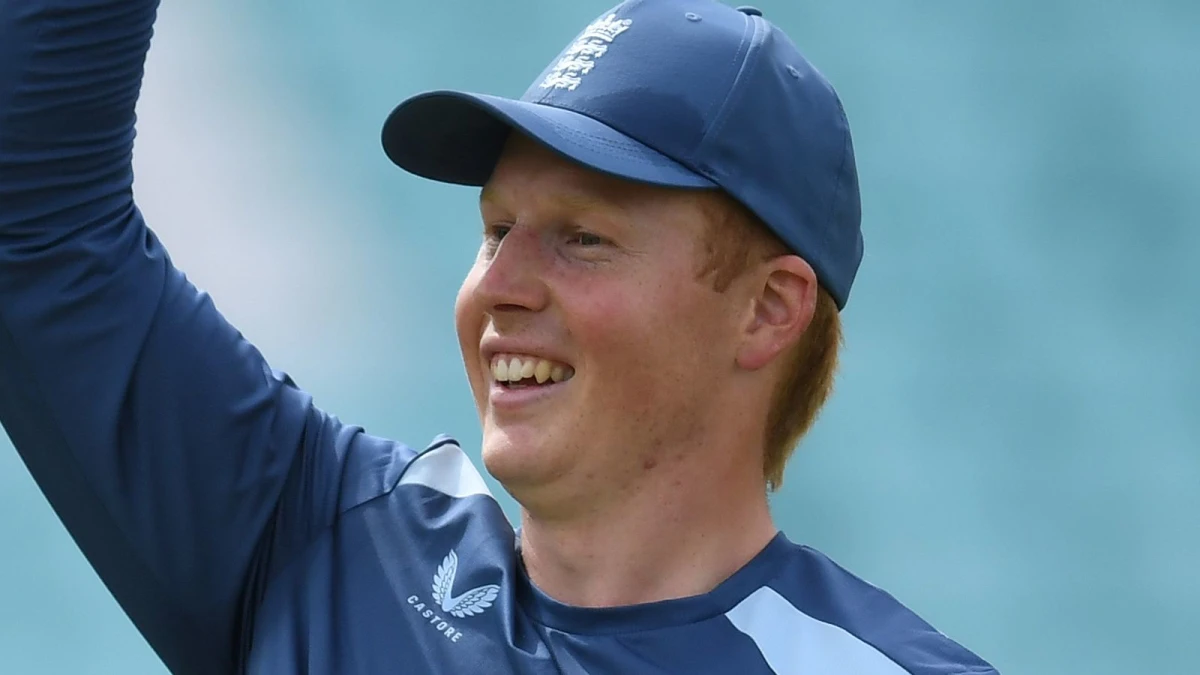

Ben Stokes is poised to return to the England Test squad for the third match against New Zealand at Trent Bridge on June 25. His exclusion from the second Test followed a curfew breach after England’s victory at Lord’s. The incident, involving a late-night altercation at a Chelsea nightclub, triggered twin investigations by the Cricket Regulator and the England and Wales Cricket Board. Both probes are nearing conclusion, clearing the path for Stokes’ reinstatement.
The controversy erupted when Stokes and teammate Gus Atkinson were present during an early-morning clash between England’s security staff and a Saracens rugby player. The Cricket Regulator, an independent body, interviewed both players on June 18. The ECB’s internal review is now in its final stages, with sources indicating a decision could be announced before the Trent Bridge Test. The ECB’s stance on Stokes’ captaincy appears to be softening, with sources indicating openness to his continued leadership. This shift aligns with the board’s desire to resolve the controversy swiftly and reinstate Stokes for the Trent Bridge Test, though no official decision has been announced.
Joe Root, who captained England in Stokes’ absence during the second Test, described his role as temporary. Root made it clear he would step aside if Stokes is reinstated. Stokes himself has remained largely silent, issuing only a brief Instagram message wishing the team well. His low public profile contrasts with the concern voiced by head coach Brendon McCullum, who repeatedly expressed worry for Stokes’ mental state during a pre-Test press conference. McCullum’s comments underscored the personal toll the incident has taken on the England skipper.
Durham’s head coach Ryan Campbell offered a different perspective on Stokes’ readiness to return. Speaking to BBC Radio Newcastle, Campbell revealed Stokes had personally requested to play for Durham in their County Championship match against Northamptonshire. "Ben knows he made a mistake," Campbell said. "But he’s in good spirits, training hard, and wants to play. The reaction has been excessive." Campbell’s remarks highlight a divide between the ECB’s disciplinary stance and the support Stokes receives from his county. The ECB has the authority to withdraw Stokes from the Durham match but has chosen not to, despite its timing just days before the Test.
The incident has exposed structural weaknesses in the ECB’s disciplinary framework. The reliance on an independent regulator alongside an internal probe has created delays and public uncertainty. The 11-day gap between the incident and Stokes’ potential reinstatement has fueled speculation, damaging team stability ahead of a critical Test series. The ECB’s initial silence on Stokes’ future further amplified the controversy, leaving fans and analysts questioning the board’s handling of the situation.
The tactical implications of Stokes’ return are significant. His absence in the second Test forced England to adjust their lineup, with Root stepping into the captaincy and debutants filling key roles. Stokes’ all-round capabilities—his explosive batting and incisive bowling—are central to England’s aggressive playing style. His presence at Trent Bridge could shift the series dynamic, offering England a chance to secure a decisive victory. The ECB’s decision to reinstate him reflects a calculated gamble that his on-field impact outweighs the off-field risks.
The broader cultural impact of this saga extends beyond Stokes’ individual case. This is not the first disciplinary issue involving England players, and the ECB’s response will set a precedent for future incidents. A lenient approach risks normalizing indiscipline, while a harsh penalty could alienate one of cricket’s most influential figures. The resolution of this controversy will shape England’s cricketing identity and its approach to player conduct for years to come.
Former England captain Ian Botham has been among Stokes’ most vocal critics. Speaking on *The Overlap and Betfair’s Stick to Cricket* podcast, Botham questioned the justification for the curfew breach. "Some people just don’t learn, do they?" Botham said. "We used to love going out for a drink, but we weren’t quite so obvious." Botham’s remarks reflect a generational divide in cricket’s culture, where past players enjoyed greater leniency for off-field behavior. His suggestion that Stokes might walk away from the game if stripped of the captaincy adds another layer of pressure on the ECB’s decision.