
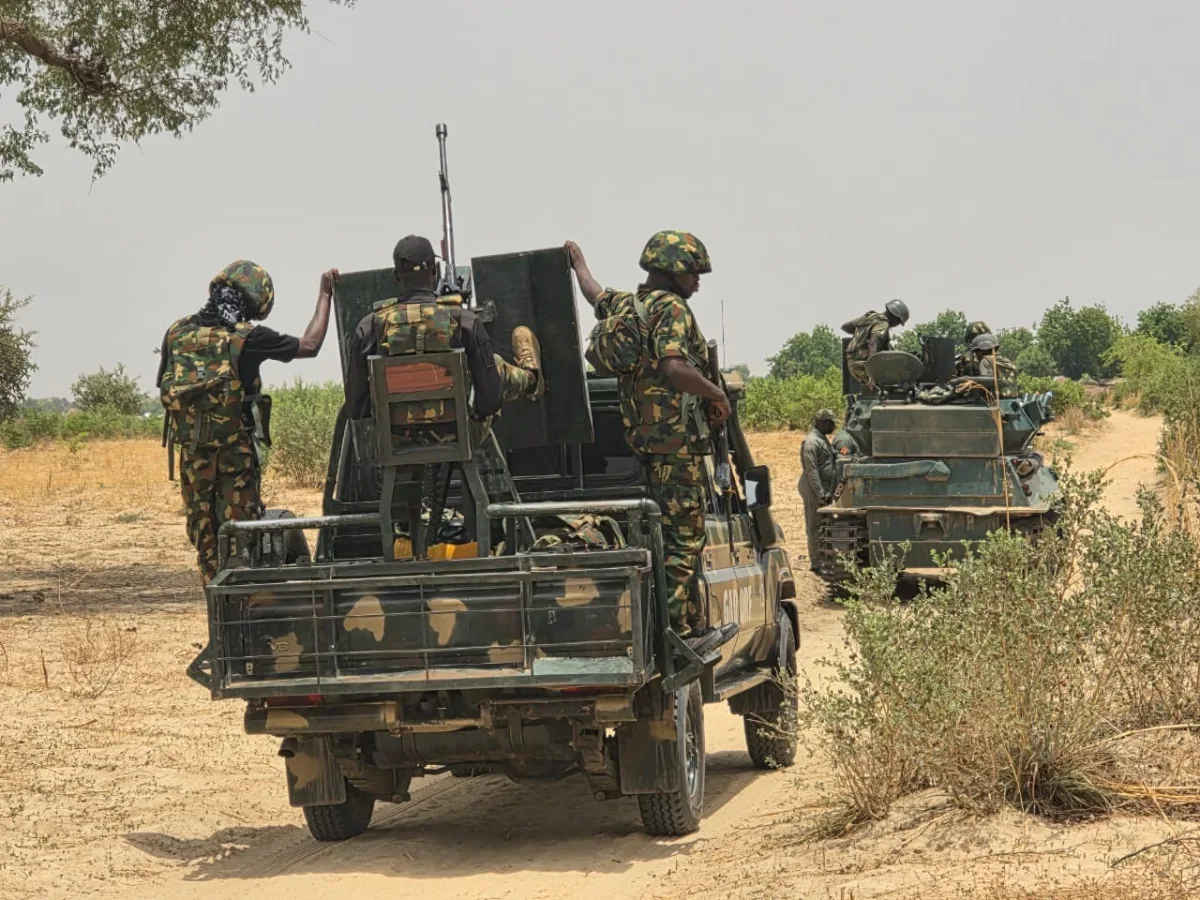
Troops from Sector 2 of the Joint Task Force North West Operation FANSAN YAMMA rescued 22 abducted victims in Sokoto State on June 18, 2026. The operations targeted two separate attacks in Sabon Birni and Isa Local Government Areas. Seventeen passengers were freed from a terrorist ambush along the Sabon Birni-Shinkafi Road at Kura Mota Village. Five farmers were rescued from an attempted abduction at Chohi Village.
One civilian died during the initial attack on the Sabon Birni-Shinkafi Road. Terrorists intercepted two civilian vehicles and abducted passengers before fleeing. Troops responded within hours. Aerial surveillance supported the pursuit. The sustained pressure forced the terrorists to abandon their captives. The rescued victims were handed over to local authorities for medical checks and family reunions.
The military’s rapid response prevented further casualties. Yet the attacks reveal systemic failures in Nigeria’s security architecture. Sabon Birni and Isa LGAs share porous borders with Zamfara and Niger States. These ungoverned spaces allow terrorist groups to operate with impunity. Local farmers and travellers remain exposed to daily threats. The military’s confidence-building patrols in Gidan Rana and Gidan Sale villages only offer temporary relief.
The Sokoto rescues highlight a recurring pattern. Terrorist groups exploit Nigeria’s weak rural security infrastructure. They target soft civilian targets like highways and farmlands. The military’s reactive posture leaves communities vulnerable. Troops respond to distress calls but lack the resources for preemptive strikes. Aerial surveillance provides tactical advantage but cannot replace ground intelligence. Local vigilante groups remain underfunded and poorly equipped.
Operation FANSAN YAMMA’s mandate covers the entire North-West region. Yet its operational capacity is stretched thin. The task force relies on ad-hoc deployments rather than permanent forward bases. This limits its ability to dominate ungoverned spaces. The military’s statement claims the operations demonstrate commitment to protecting lives. But the frequency of attacks suggests a deeper institutional gap. Nigeria’s counter-insurgency strategy remains fragmented. Coordination between federal, state, and local security agencies is weak.
The Sokoto attacks also expose economic consequences. Farmers in Isa LGA cultivate staple crops like millet and sorghum. Terrorist threats disrupt planting cycles. This reduces food production and drives up prices. The Sabon Birni-Shinkafi Road is a critical trade route. Frequent ambushes force transporters to use longer, costlier detours. This inflates the price of goods in Sokoto’s urban markets. The military’s rescue operations provide short-term relief. But they do not address the long-term economic disruption.
Nigeria’s kidnap crisis has evolved into a lucrative criminal enterprise. Terrorist groups generate revenue through ransom payments. The military’s rescue operations disrupt these networks temporarily. But the groups adapt quickly. They shift tactics and relocate to safer zones. The Sokoto attacks occurred just days after troops rescued 337 kidnap victims in a separate operation. This suggests a coordinated effort to overwhelm security forces. The military’s reactive posture plays into the terrorists’ strategy.
The federal government’s response remains inconsistent. President Bola Tinubu’s administration has prioritized military spending. Yet budget allocations rarely translate into operational effectiveness. Troops in the North-West lack adequate ammunition, communication equipment, and medical supplies. The military’s statement claims the Sokoto rescues reflect its determination to secure communities. But the reality on the ground tells a different story. Local residents continue to live in fear. The government’s failure to address systemic gaps emboldens terrorist groups.