
The rescue of 44 pupils and teachers abducted from three schools in Oyo State on May 15 has exposed the deep roots of Nigeria’s kidnapping crisis. The operation lasted 56 days. It involved 12 security agencies. The military called it an intelligence-driven strike against a terror network operating inside Old Oyo National Park.
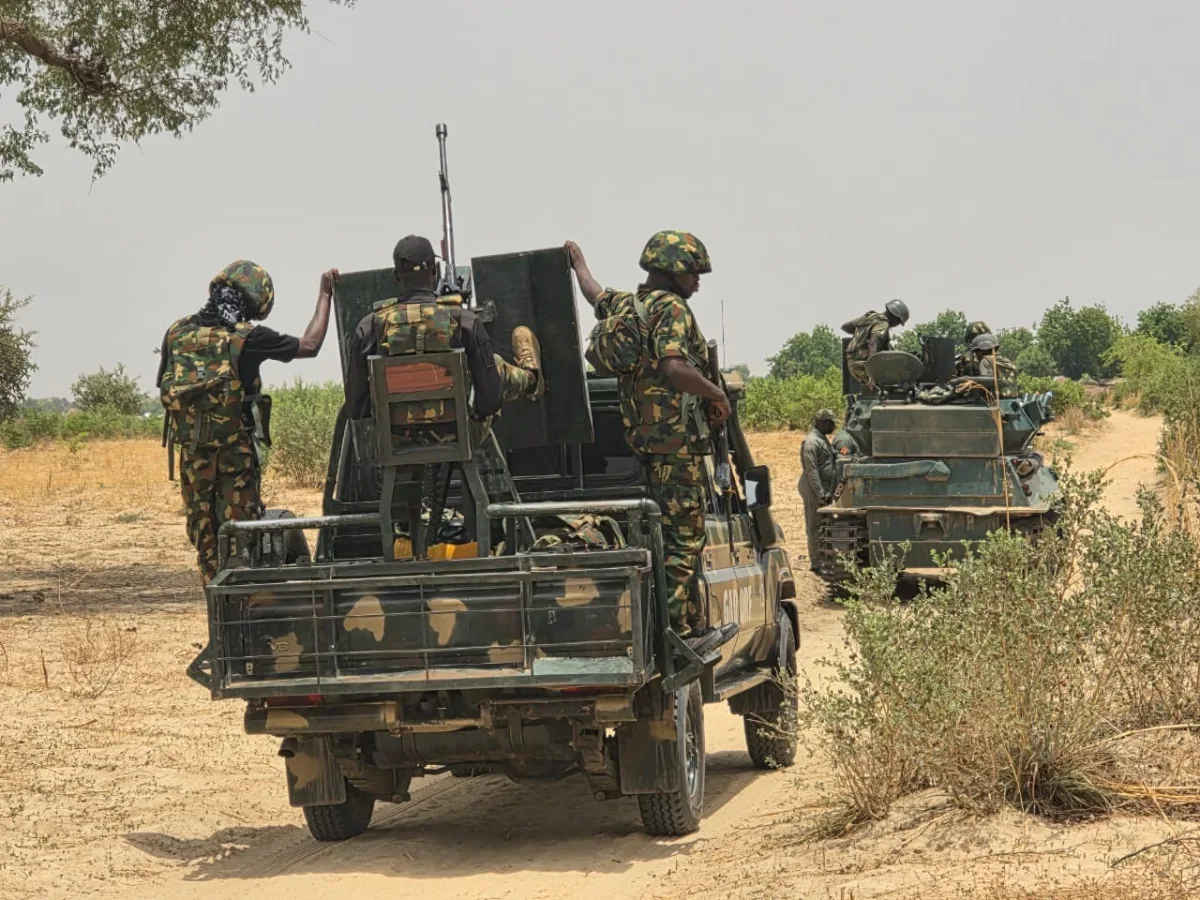
The Nigerian Army confirmed the rescue on July 10. Major General Chinedu Nnebeife led the mission. He commands the 2 Division based in Ibadan. His team included special forces from the Army, Navy, and Air Force. The Office of the National Security Adviser contributed the National Counter Terrorism Centre. The Nigeria Police, DSS, NIA, NSCDC, Amotekun, local vigilantes, and hunters also joined. The operation targeted the masterminds, their informants, and hideouts. Security forces arrested suspects in Oyo and other states. The pressure forced the kidnappers to release the hostages without ransom.
The military designed the operation to avoid civilian casualties. Some security personnel were injured. The rescued victims are receiving medical care at an undisclosed hospital. The Oyo State Government will reunite them with their families. President Bola Tinubu praised the rescue. He said no ransom was paid. He ordered agencies to provide medical and psychological support. The President also vowed justice for the killings linked to the abduction. A school administrator, Joel Adesiyan, died during the attack. Another teacher, Michael Oyedokun, was killed in captivity.
The rescue reveals a troubling pattern. Old Oyo National Park has become a sanctuary for kidnappers. The park spans 2,512 square kilometres. It stretches across Oyo and Kwara states. Its dense forests and rugged terrain make surveillance difficult. Local hunters and vigilantes provided critical intelligence. Their knowledge of the area helped security forces navigate the park’s hidden paths. The military’s reliance on local allies shows a gap in state-controlled surveillance. Nigeria’s security agencies lack the manpower and technology to monitor vast, remote forests effectively.
The operation also highlights the role of inter-agency rivalry. Twelve agencies participated. Yet, the Army led the mission. The Office of the National Security Adviser coordinated through the NCTC. The DSS and NIA contributed intelligence. The Police and NSCDC provided ground support. The collaboration suggests progress. But it also raises questions. Why did it take 56 days to rescue the hostages? The delay suggests coordination challenges. Agencies often compete for resources and credit. This rivalry can slow down operations. The military’s statement did not explain the timeline. It only praised the “meticulous planning” that avoided collateral damage.
The financial cost of the operation remains undisclosed. Nigeria’s security budget has ballooned in recent years. The 2026 budget allocated ₦3.2 trillion to defence and security. Yet, kidnappings continue. The Oyo abduction is the latest in a series. In 2025, over 3,600 people were kidnapped nationwide. The ransom economy fuels the crisis. Kidnappers demand millions of naira per victim. The government denies paying ransoms. But families often pay to secure releases. The Oyo case is different. The military said no ransom was paid. The kidnappers released the hostages under pressure. This suggests a shift in strategy. The government may be using military force to break the ransom cycle.
The rescue has political implications. President Tinubu faces pressure to curb insecurity. His administration has launched multiple operations. Operation Hadin Kai targets insurgents in the Northeast. Operation Whirl Stroke combats bandits in the Northwest. Operation Safe Haven secures the Middle Belt. The Oyo rescue is a rare success. It comes amid criticism of the government’s handling of kidnappings. The President’s statement emphasized “no ransom, no concession.” This message targets both kidnappers and the public. It signals a tougher stance. But the delay in the rescue may undermine confidence. Families of victims spent nearly two months in agony. The government must explain why the operation took so long.
The Oyo abduction also exposes the vulnerability of rural schools. The kidnappers targeted three schools in Oriire Local Government. Community Grammar School, Baptist Nursery and Primary School, and L.A. Primary School are in Esiele and Yawota. These areas lack basic security infrastructure. The schools have no perimeter fences. No armed guards. No CCTV cameras. The kidnappers struck during school hours. They overpowered the staff and fled into the forest. The government must address this gap. Schools in high-risk areas need protection. The Safe Schools Initiative, launched in 2014, promised security upgrades. But implementation has been slow. Many schools remain unprotected.
The rescue operation offers lessons for future missions. The military’s use of local allies was effective. Hunters and vigilantes know the terrain better than security forces. Their involvement should be formalized. The government could create a structured partnership. Local allies could receive training and equipment. This would improve intelligence gathering. It would also reduce reliance on ad-hoc collaborations. The operation also shows the need for better surveillance. The Air Force provided aerial support. But Nigeria lacks enough drones and helicopters. The government must invest in technology. Real-time surveillance could prevent kidnappings. It could also speed up rescues.