
The Central Bank of Nigeria revoked the operating licences of 46 microfinance banks on July 1. The decision took immediate effect. CBN Governor Olayemi Cardoso signed the order after a review found systemic breaches of financial regulations.
The affected institutions span 18 states and the Federal Capital Territory. Kano leads the list with 12 revoked licences. Lagos follows with eight. Rivers, Kaduna, and Plateau each lost three. The CBN cited five specific violations. These include insufficient assets to cover liabilities. Others are unauthorised closure of operations. Some banks remained inactive for extended periods. A few never commenced business within the mandatory 12-month window. Many failed to maintain minimum capital requirements.
The revocation order stems from Sections 12 and 13 of the Banks and Other Financial Institutions Act 2020. The CBN invoked these powers to enforce compliance and protect depositors. The statement from Acting Director of Corporate Communications Hakama Sidi-Ali emphasised the move as part of broader efforts to stabilise the financial sector. The CBN pledged to continue regulatory actions to maintain public confidence.
The list reveals a concentration of failures among Tier 2 microfinance banks. These institutions typically serve small businesses and low-income households. Their collapse disrupts credit access for thousands of borrowers. Many of the affected banks had been under CBN surveillance for months. Some had received multiple warnings. The revocation suggests a failure to rectify identified deficiencies within stipulated deadlines.
The CBN’s action exposes deeper structural weaknesses in Nigeria’s microfinance sector. Many of these banks were established during the 2010-2015 boom period. They targeted underserved markets with high-interest loans. However, economic downturns, currency devaluations, and rising inflation eroded their capital bases. The CBN’s 2020 recapitalisation exercise set new minimum capital requirements. Many banks struggled to meet these thresholds. The revocation indicates that compliance deadlines have now expired.
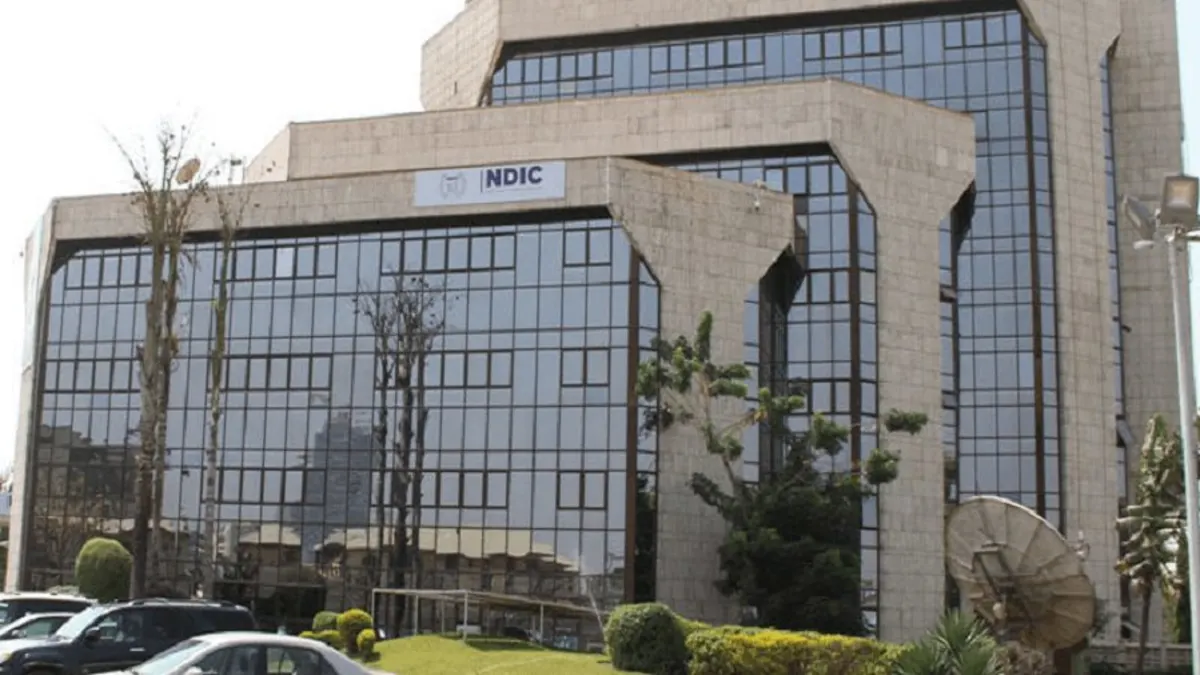
The shutdowns will trigger legal and financial consequences. Depositors face immediate loss of access to funds. The CBN has not announced a deposit insurance payout mechanism. Affected customers may need to file claims through the Nigeria Deposit Insurance Corporation. The NDIC typically covers deposits up to ₦200,000 per account. Many microfinance bank customers hold balances exceeding this limit. The revocation also affects loan repayment schedules. Borrowers must continue servicing debts despite the bank closures.
The CBN’s decision reflects a broader shift in regulatory posture. Governor Cardoso has prioritised financial system stability since assuming office. His administration has introduced stricter oversight of banks and fintech firms. The revocation of 46 licences signals a zero-tolerance approach to non-compliance. The CBN has also intensified scrutiny of digital banks and payment service providers. This crackdown aims to prevent systemic risks from spreading through the financial sector.
The revocation list includes several high-profile names. Creditville MFB and Sycamore MFB were among the largest affected institutions. Both had expanded rapidly in recent years. Their collapse will reverberate through Nigeria’s small business community. The CBN’s action may prompt a wave of mergers and acquisitions. Stronger microfinance banks could absorb the customer bases of failed institutions. However, the process will require regulatory approval and capital infusion.