
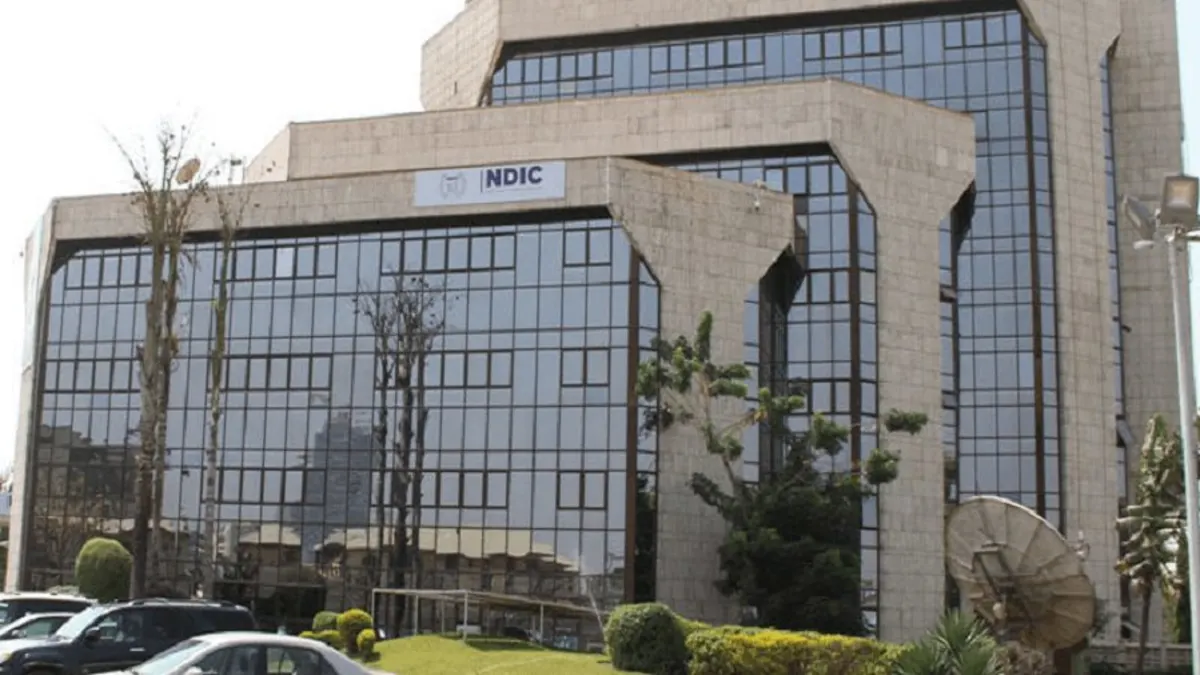
The Central Bank of Nigeria revoked the licences of 46 microfinance banks on July 1. The decision took effect immediately. The Nigeria Deposit Insurance Corporation has begun paying insured deposits to affected customers. This marks the first mass liquidation of microfinance banks since the 2020 BOFIA reforms.
The CBN cited five regulatory breaches as grounds for the revocation. The banks failed to maintain minimum capital. They operated without approval. Some remained inactive for prolonged periods. Others never commenced business within 12 months of licence approval. Many held insufficient assets to cover liabilities. The affected banks span 19 states and the Federal Capital Territory. Lagos and Kano account for nearly half of the closures.
The NDIC has taken over the failed banks. It will verify depositor records before paying insured sums. The corporation warned the public against transactions with the closed banks. It also cautioned against tampering with assets or records. The NDIC said such actions could attract legal sanctions. Depositors must cooperate with the verification process to receive payments.
The mass revocation exposes systemic weaknesses in Nigeria’s microfinance sector. Many of the closed banks were state-based institutions with limited geographic reach. Their failure to meet capital requirements suggests chronic underfunding. The CBN’s action reflects a broader crackdown on non-compliant financial institutions. This follows the 2023 revocation of Heritage Bank’s licence for similar breaches.
The NDIC’s payout process reveals gaps in financial inclusion. Microfinance banks serve low-income earners and small businesses. Their collapse disrupts access to credit for vulnerable groups. The NDIC’s deposit insurance covers only insured sums. Customers with deposits above the insured limit may face losses. The corporation has not disclosed the total value of insured deposits at risk.
The liquidation raises questions about regulatory oversight. The CBN’s 2020 BOFIA reforms expanded its supervisory powers. Yet, 46 banks failed to meet basic compliance standards. This suggests weak enforcement mechanisms. The CBN has not explained why these banks operated for years without corrective action. The delay in intervention may have worsened depositor losses.
The closures could trigger a confidence crisis in microfinance banks. Customers may withdraw deposits from other institutions. This could create liquidity pressures across the sector. The CBN must reassure the public about the stability of remaining banks. It should also clarify the timeline for resolving claims from the closed banks. Transparency will be critical to preventing panic withdrawals.
The NDIC’s role as liquidator highlights broader challenges in Nigeria’s banking sector. The corporation has handled multiple bank failures in recent years. Its capacity to manage mass liquidations remains untested. The current process will serve as a benchmark for future interventions. The NDIC must ensure swift payouts to maintain public trust. Delays could undermine confidence in the deposit insurance system.