The 2026 FIFA World Cup has reached its first major crossroads with the conclusion of the group stage and the confirmation of all 32 teams advancing to the Round of 32. The expanded 48-team format, designed to globalise football’s showpiece event, has instead laid bare structural imbalances that threaten the integrity of the knockout rounds. Nine African nations have progressed, a record for the continent, yet their path forward is littered with fixtures against European and South American heavyweights that expose the tournament’s flawed seeding system.
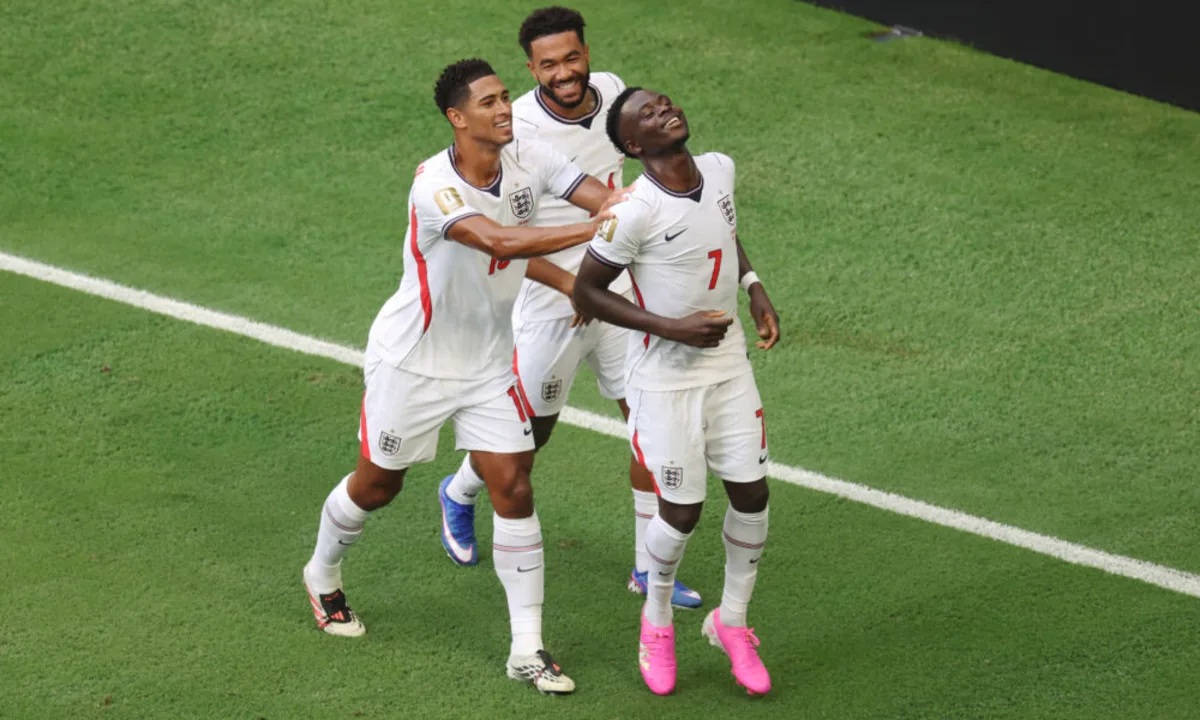
The Round of 32 draw has produced a series of lopsided matchups that undermine competitive fairness. England face DR Congo, a team making its World Cup debut after a dramatic comeback victory over Uzbekistan. Argentina, fresh from a perfect group stage, meet Cape Verde, another tournament newcomer. These pairings reveal a deeper issue: the inclusion of the eight best third-place finishers has created a knockout bracket where minnows are immediately pitted against former champions. The result is a knockout stage that risks becoming a procession for elite nations rather than a true test of merit.
Tactical vulnerabilities have already emerged among the tournament favourites. France’s 3-2 victory over Sweden in the group stage exposed defensive frailties that could prove fatal in the knockout rounds. Didier Deschamps’ side conceded twice from set-pieces, a recurring weakness that has plagued Les Bleus since their 2018 triumph. Meanwhile, Brazil’s 1-0 win over Japan revealed a midfield collapse in the second half, with Casemiro overrun by Japan’s pressing. These flaws will be ruthlessly exploited in single-elimination football, where one mistake ends a campaign.
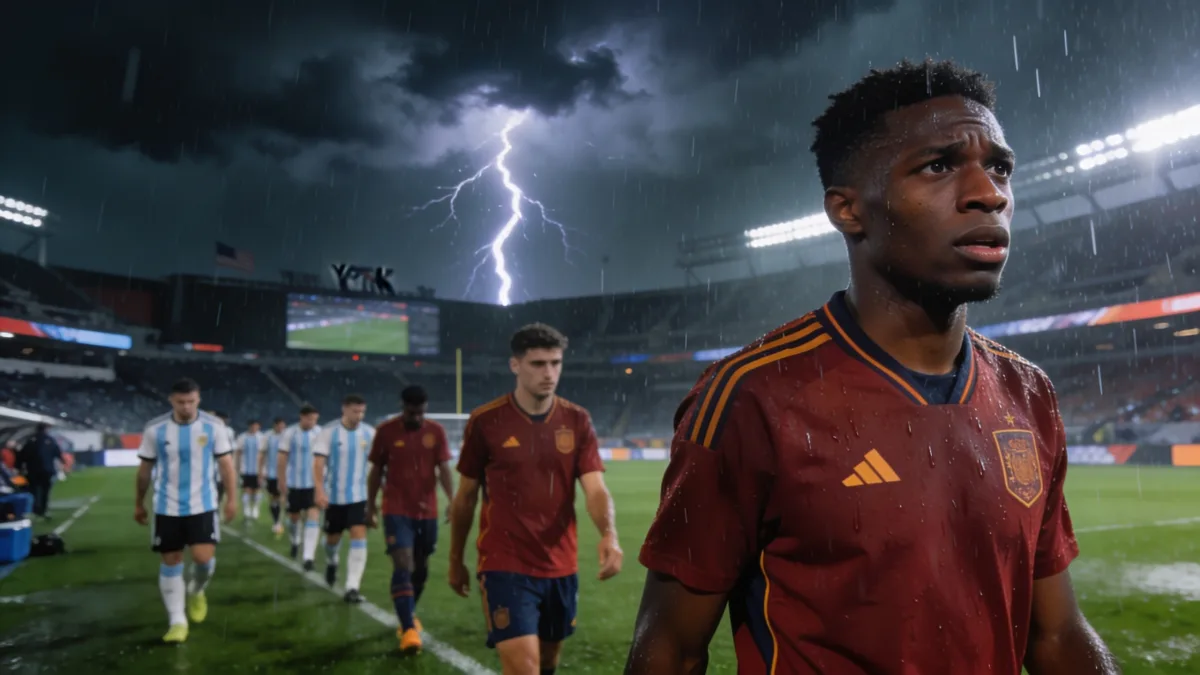
The scheduling of the Round of 32 fixtures has introduced an additional layer of unpredictability. Matches are spread across four time zones in North America, with kick-offs ranging from midnight to early afternoon local time. This logistical nightmare has already impacted team preparation. Iran’s squad, for example, faced visa delays that disrupted their travel plans, while Austria’s players arrived in Dallas just 36 hours before their match against Spain. The physical toll of cross-continental travel could neutralise the advantage of higher-ranked teams, levelling the playing field in ways that have nothing to do with football.
Hidden boardroom friction is complicating matters for several nations. The Belgian FA has been embroiled in a public dispute with their golden generation over bonus payments, with Kevin De Bruyne reportedly leading a player revolt. Meanwhile, the Portuguese federation is facing internal pressure to bench Cristiano Ronaldo after his underwhelming group stage performances. These dressing room fractures could derail campaigns before a ball is kicked in the knockout rounds, as squad harmony becomes as critical as tactical acumen.
The expanded format has also distorted squad management strategies. Teams that secured qualification early have been forced to rotate players in meaningless final group games, leaving key stars fatigued or at risk of injury. Germany’s 2-0 victory over Paraguay came at a cost, with Jamal Musiala picking up a knock that could rule him out of their Round of 32 clash. Conversely, teams that scraped through as third-place finishers, such as Algeria and Austria, enter the knockout stage with momentum but without the same depth of preparation as their opponents.
Financial disparities between nations are widening the gap in knockout football. The prize money for reaching the Round of 32 is $12 million, a life-changing sum for federations like Cape Verde or DR Congo but a rounding error for European giants. This economic imbalance manifests in squad depth, training facilities, and even travel conditions. While Argentina flew to their training base in Houston on a chartered jet, Cape Verde’s squad endured a 14-hour commercial flight with a layover in Lisbon. These logistical advantages accumulate, creating an uneven playing field long before the first whistle.
The knockout stage will also test the psychological resilience of teams navigating the expanded format. The Round of 32 introduces an additional hurdle that did not exist in previous tournaments, forcing teams to peak earlier and sustain performance over a longer period. For nations like Senegal and Morocco, who have never progressed beyond the quarter-finals, the mental challenge of maintaining focus through an extra round could prove insurmountable. The pressure of a single-elimination match, amplified by the weight of expectation, may expose the limitations of teams that thrived in the relative safety of the group stage.