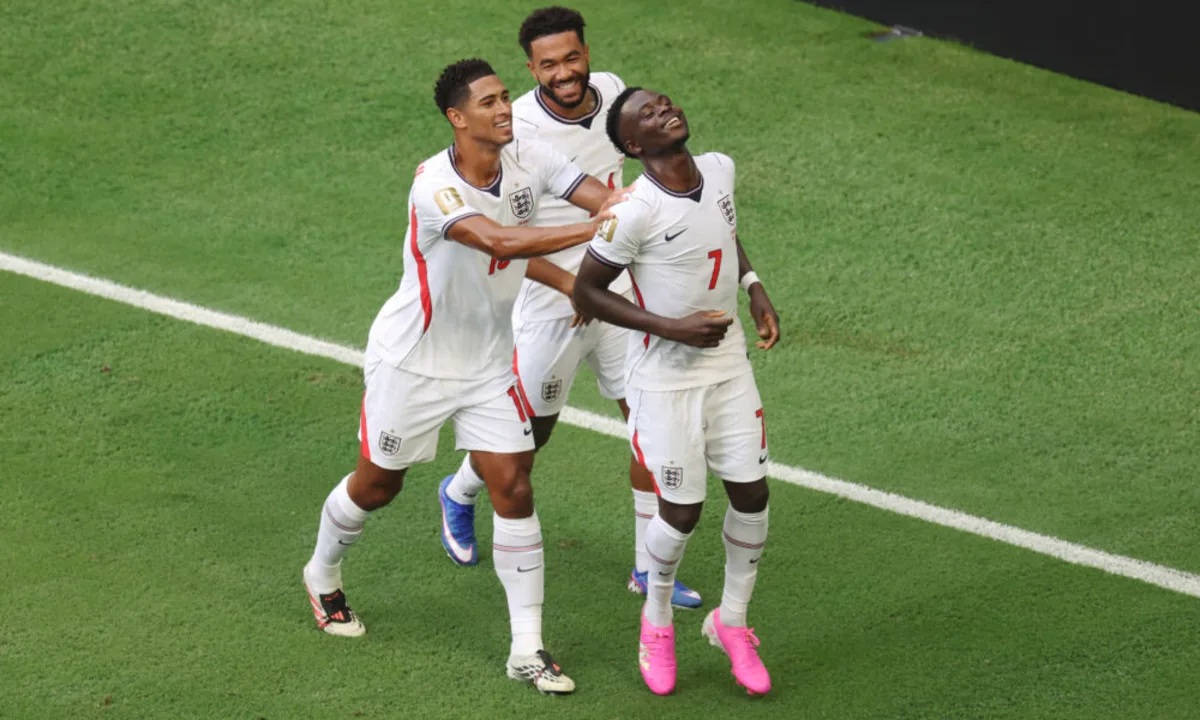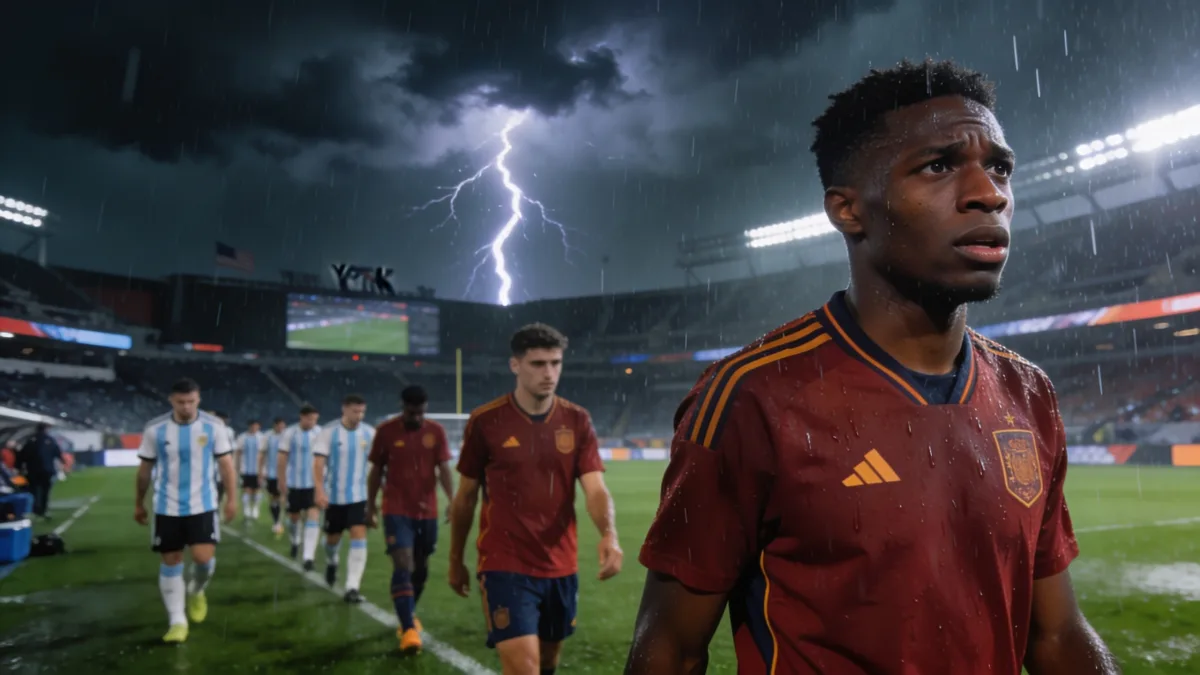

The 2026 FIFA World Cup has kicked off with a broadcast landscape more fractured than the tournament’s expanded 48-team format. FOX and Telemundo hold exclusive English and Spanish rights in the United States, yet the battle for viewers has forced both networks into unprecedented free-trial concessions. FOX One offers a seven-day free window, while YouTube TV extends a 21-day trial—both unheard of for a major sporting event. This desperation stems from FIFA’s decision to scatter matches across 16 host cities, diluting the traditional primetime monopoly and forcing broadcasters to chase cord-cutters with short-term giveaways.
Behind the scenes, the real conflict is financial. FIFA’s $3 billion broadcast rights deal for 2026—split between FOX, Telemundo, and Canada’s Bell Media—assumes 5 billion global viewers. But with 34 of the 104 matches airing on FS1, a channel available in only 80% of U.S. households, and Universo’s Spanish coverage locked behind paywalls, the economics are already unraveling. The U.S. Men’s National Team’s group-stage opener against Paraguay drew 12.8 million viewers on FOX, a 20% drop from the 2022 World Cup’s U.S.-Wales match. If ratings continue to slide, FIFA’s 2030 rights auction could see networks demand rebates, threatening the federation’s revenue model.
Tactically, the expanded tournament has created a scheduling nightmare that undermines competitive integrity. The group stage’s final matches—traditionally played simultaneously to prevent collusion—are now staggered across three days. On June 25, Turkey faces the U.S. at 10 p.m. ET, while Paraguay plays Australia at the same time in Santa Clara. This allows teams to calculate exact point totals before kickoff, turning the World Cup into a glorified math exercise. FIFA’s solution? A convoluted tiebreaker system that prioritizes disciplinary records over goal difference, a rule change that has already sparked outrage after Sweden’s 5-1 demolition of Tunisia was overshadowed by a contentious red card.
The broadcast chaos extends to streaming, where Peacock’s Spanish-language exclusivity clashes with Telemundo’s cable dominance. Peacock’s free tier, bundled with Walmart+ and Instacart, has siphoned viewers from Telemundo’s Universo, which carries the remaining 12 matches. This fragmentation has left Spanish-speaking fans scrambling: a DirecTV subscriber in Miami can watch Uruguay vs. Cape Verde on Telemundo, but a Peacock user in Houston must pay an extra $11 for Universo access. FIFA’s insistence on a “multi-platform” strategy has backfired, creating a patchwork of blackout zones and subscription tiers that even the most tech-savvy fans struggle to navigate.
On the pitch, the tournament’s format has exposed tactical vulnerabilities in traditional powerhouses. Germany’s 7-1 thrashing of Curaçao in their opener was less a statement of dominance than a warning: the expanded group stage allows elite teams to experiment with fringe players, masking defensive frailties. Joachim Löw’s successor, Julian Nagelsmann, started a back three against Curaçao but reverted to a 4-2-3-1 against Ivory Coast, a midfield collapse that nearly cost them a draw. Meanwhile, Brazil’s 1-1 stalemate with Morocco revealed a squad over-reliant on Vinícius Júnior’s dribbling; without a functional press, they conceded 14 shots in the first half. The 48-team format has diluted quality, but it has also forced managers to adapt—or risk humiliation.
The most overlooked consequence of the 2026 World Cup is its impact on domestic leagues. The tournament’s June-July window, forced by FIFA to avoid clashing with the 2026 Winter Olympics, has left European clubs in limbo. Premier League and La Liga squads are already thinning, with stars like Jude Bellingham and Pedri missing pre-season friendlies to recover from the World Cup. But the real damage is financial: UEFA’s Champions League revenue could drop by 15% if broadcasters prioritize World Cup reruns over group-stage matches. The English Football League, already grappling with a £1 billion debt crisis, faces a perfect storm—lower gate receipts, reduced TV revenue, and a transfer market frozen by FIFA’s new “World Cup tax” on player sales.
FIFA’s broadcast strategy has also ignited a boardroom battle over digital rights. Amazon, Apple, and DAZN were outbid for linear rights but are now circling the streaming market, offering FIFA a lifeline. Amazon’s Prime Video has reportedly approached FIFA with a $500 million bid for exclusive streaming rights to the 2026 knockout rounds—a move that would sideline FOX entirely. The proposal includes a clause allowing FIFA to sell highlights to TikTok, a direct challenge to FOX’s social media dominance. If accepted, this deal would mark the first time a tech giant outmaneuvers a traditional broadcaster for a major sporting event, setting a precedent for the 2030 World Cup.
The 2026 World Cup’s broadcast wars have exposed a deeper truth: FIFA’s expansion was never about football. It was about squeezing every dollar from a fractured media landscape. The result is a tournament where the biggest winners might not be the teams on the pitch, but the lawyers negotiating rebates and the tech executives poised to hijack the future of sports broadcasting.