The United States Treasury Department revoked Iran’s temporary oil sanctions waiver on Tuesday. The decision followed three tanker attacks in the Strait of Hormuz. A Qatari liquefied natural gas vessel was among the targets. It faced an explosion risk after being struck. The US called Iran’s actions in the waterway “wholly unacceptable.” The waiver had allowed Iran to produce and sell crude oil until August 21. It was granted under an interim deal to end the US-Iran war.
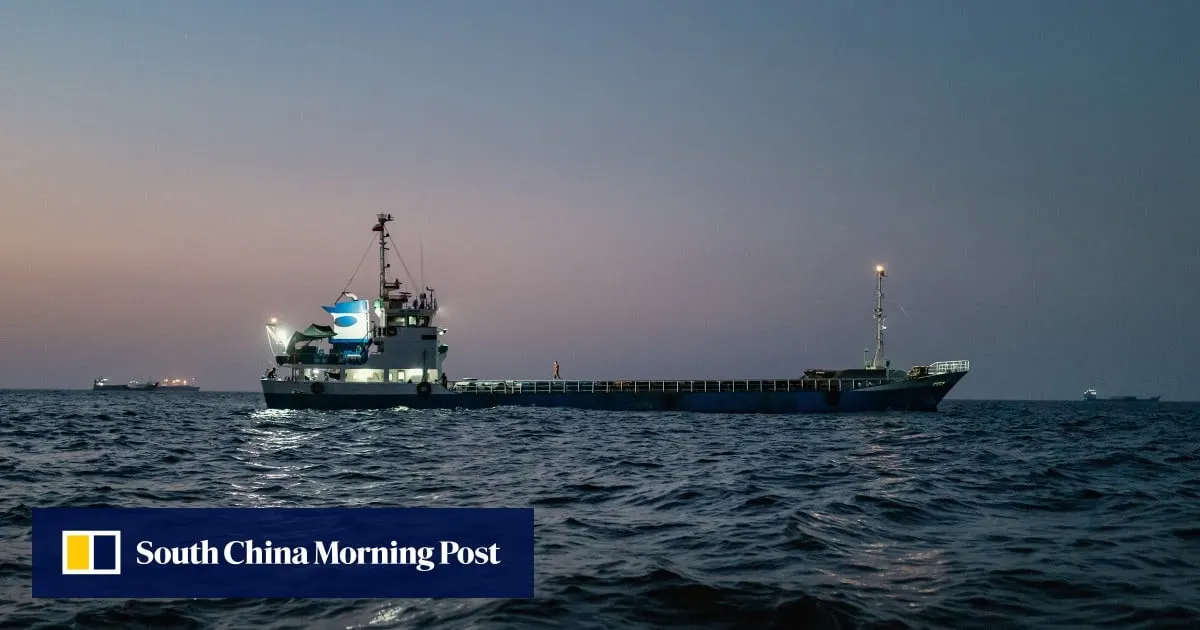
The Strait of Hormuz is a critical chokepoint for global energy supplies. Nearly one-fifth of the world’s traded oil and gas passes through it daily. The attacks disrupted maritime traffic just as nations sought to restore normal shipping routes. The UK Maritime Trade Operations agency reported that an unknown projectile hit a tanker overnight. Two more vessels were struck shortly after. One was hit by a drone. All three incidents occurred near Oman’s coastline. Qatar blamed Iran for the attack on its LNG tanker Al-Rekayyat. Doha summoned Iran’s deputy ambassador to demand an explanation.
The US Treasury’s Office of Foreign Assets Control set a deadline for existing transactions. Previously authorized deals must conclude by July 17. After that, new purchases or shipments of Iranian oil will be prohibited. The reversal reflects Washington’s frustration with Tehran’s conduct. A US official stated that the waiver was “entirely performance-based.” Iran would only benefit from economic relief if it complied with the interim agreement. The official accused Tehran of violating the ceasefire by targeting commercial vessels.
The attacks exposed a deeper institutional conflict over control of the Strait. Iran insists that all tankers must use its approved routes. It has threatened to impose fees on ships passing through the waterway. Oman proposed an alternative transit corridor hugging its coastline. Iran rejected the plan. It warned that vessels using the Omani route without registering with Tehran would face consequences. The US and Gulf Arab states oppose Iran’s demand for transit fees. They argue it would disrupt decades of free passage.
Oil markets reacted sharply to the sanctions reinstatement. Brent crude futures surged over 5% after the announcement. The benchmark contract for August delivery traded at around $76 a barrel. Analysts warned that renewed tensions could choke global energy supplies. Andreas Krieg, a security expert at King’s College London, told AFP that Iran was sending a clear signal. He stated that Tehran would punish any attempt to bypass its control. The attacks followed Iran’s warning last week that interference by US forces would trigger a “rapid and decisive reaction.”
The US-Iran memorandum signed last month aimed to reopen the Strait. It included a 14-point plan requiring Iran and Oman to negotiate future maritime administration. The deal also sought to roll back Iran’s nuclear program. However, talks between Washington and Tehran are now on hold. Iran’s Supreme Leader Ayatollah Ali Khamenei was killed in an airstrike at the start of the war. His son, Ayatollah Mojtaba Khamenei, is expected to succeed him. Mourners at the funeral called for the death of US President Donald Trump. The political transition in Iran adds uncertainty to the negotiations.
The tanker attacks reveal a systemic gap in maritime security. The Joint Maritime Information Center, a multinational body overseen by the US Navy, had declared the Omani route safe. Yet Iran’s joint military command warned that vessels using it would face retaliation. The conflicting messages highlight the lack of a unified security framework. Qatar’s foreign ministry spokesman Majed Al Ansari condemned the attacks as a “serious violation” of international law. He held Iran legally responsible for any damages. Iran’s state news agency IRNA dismissed Qatar’s accusations as “unacceptable.”
The US revocation of the oil waiver marks a shift in its Iran strategy. Vice President JD Vance had previously called the interim deal a “good foundation” for a final agreement. However, the tanker attacks forced Washington to adopt a harder line. President Trump warned Iran that it must “make a deal or we will finish the job.” He threatened to knock out Iran’s energy supply within an hour. The escalation risks derailing the fragile ceasefire. It also raises questions about the durability of the US-Iran memorandum. Without a permanent resolution, the Strait of Hormuz remains a flashpoint for global energy security.