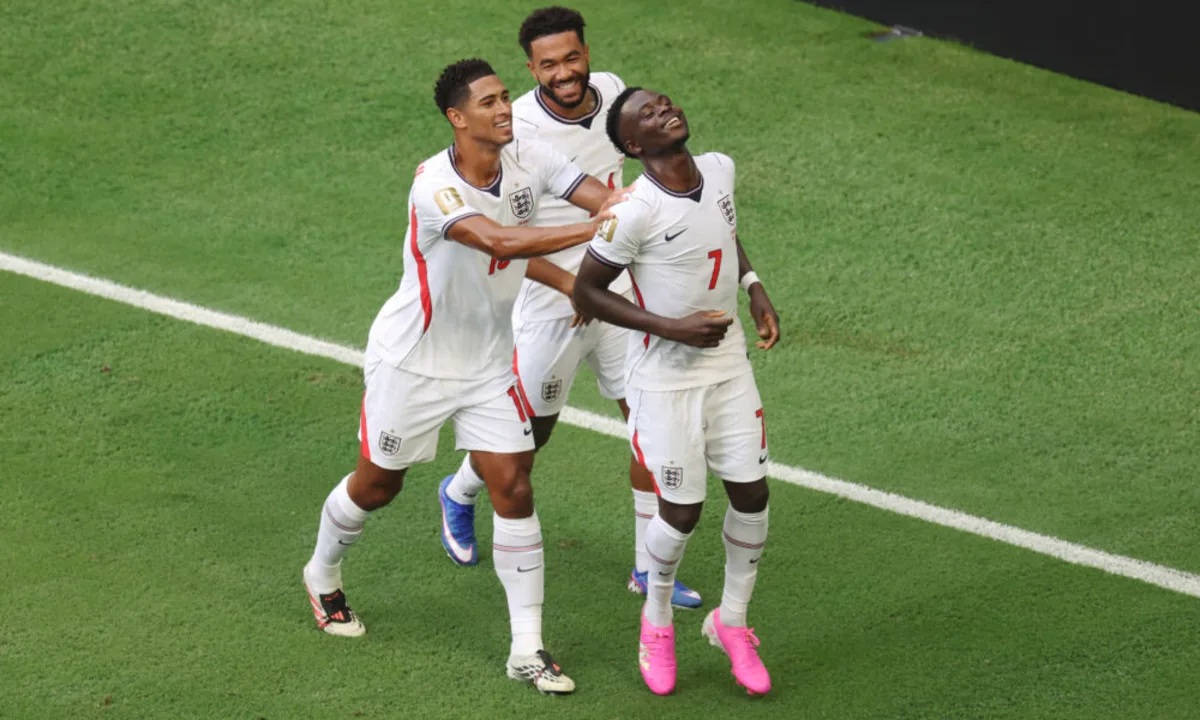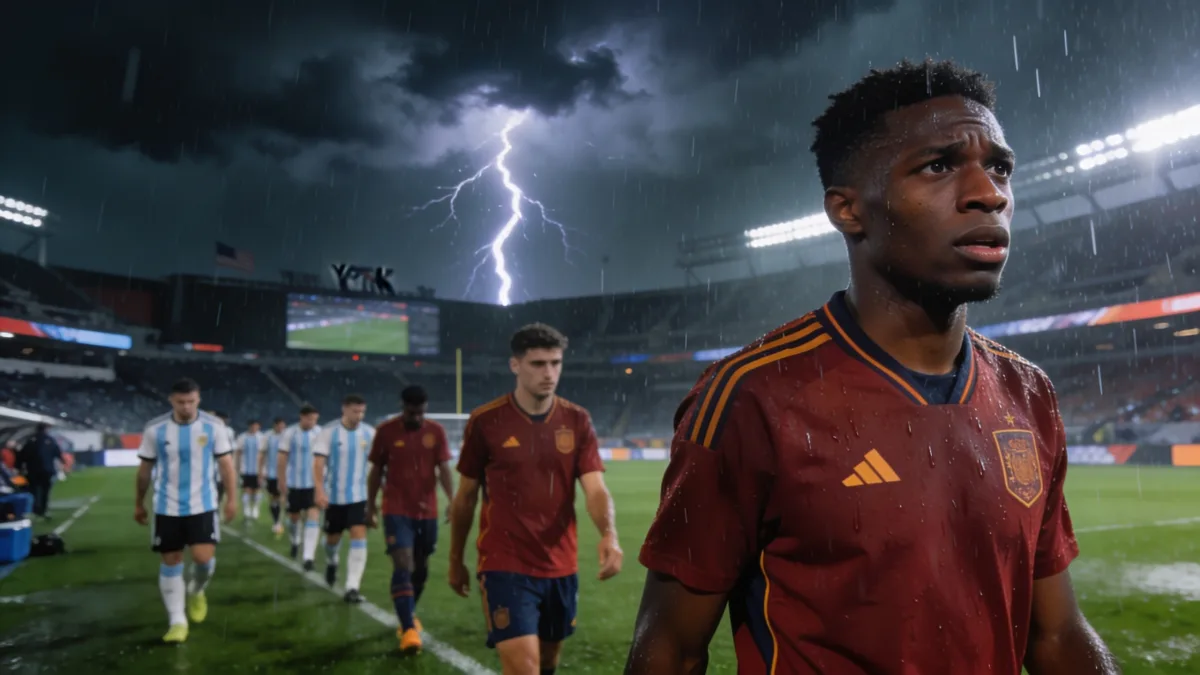

Thomas Tuchel’s decision to abandon England’s attacking structure with a 1-0 lead in the 2026 World Cup semi-final against Argentina will be dissected for years. The shift to a rigid 5-4-1 formation, executed through late substitutions of defenders Ezri Konsa and Dan Burn, transformed a controlled performance into a defensive shambles. Argentina’s equaliser arrived within eight minutes of the tactical switch, and Lautaro Martínez’s winner followed three minutes later. The collapse was not merely a loss of momentum but a systemic failure to maintain possession or press effectively once the bus was parked.
Sunday Oliseh’s scathing assessment on social media exposed the tactical naivety. Leading with 25 minutes remaining, Tuchel’s instruction to retreat into a low block invited relentless Argentine pressure. The absence of a transitional outlet meant England could not relieve the siege, and Lionel Messi’s creativity exploited the resulting chaos. Oliseh’s critique—“amateurish and shockingly naive to not have the possibility to play out”—highlighted a recurring flaw in Tuchel’s high-stakes management. His Chelsea tenure was marked by similar defensive frailties under pressure, and this World Cup semi-final replayed those errors on a global stage.
The psychological toll of the defeat extends beyond the dressing room. Harry Kane’s admission that England “struggled to keep the ball” in the final 30 minutes reveals a deeper structural issue. The team’s inability to retain possession in critical moments has plagued them across four major tournaments, from the 2018 World Cup to Euro 2024. Kane’s non-committal stance on his international future—“Four years is a long way”—signals a potential generational shift, but the immediate problem is tactical stagnation. The midfield collapse, with Declan Rice isolated and Jude Bellingham overrun, left Argentina’s midfield trio of Enzo Fernández, Alexis Mac Allister, and Rodrigo De Paul to dictate play.
Tuchel’s post-match frustration over the third-place playoff against France underscored the disconnect between tournament logistics and player welfare. His claim that “none of our players and none of the French players want to play this match” reflects a growing sentiment among managers. The fixture, scheduled for Miami with England given one less recovery day, risks further physical and mental fatigue. The FA’s reluctance to publicly address Tuchel’s future suggests internal divisions, with boardroom factions likely debating whether his tactical rigidity outweighs his man-management strengths.
Argentina’s late comeback was not just a testament to Messi’s genius but a consequence of England’s tactical surrender. The introduction of Konsa and Burn, while defensively motivated, removed any semblance of attacking threat. The lack of a holding midfielder to shield the backline allowed Fernández to drift into dangerous spaces, while England’s full-backs, Kyle Walker and Luke Shaw, were left exposed in 1v1 situations. The final 10 minutes saw Argentina complete 18 passes in England’s half, compared to England’s three—a damning statistic that quantifies the tactical capitulation.
The fallout from this defeat will reverberate through England’s squad hierarchy. Kane’s leadership, once unquestioned, now faces scrutiny as the team’s tournament fragility persists. Young talents like Phil Foden and Bukayo Saka, who thrived in the group stages, were rendered ineffective once Tuchel reverted to defensive pragmatism. The FA’s technical director, John McDermott, will face pressure to define a clearer tactical identity, with Tuchel’s future hanging on the outcome of an internal review. The third-place playoff, a fixture devoid of competitive meaning, may yet serve as a public audition for Tuchel’s successor.
Beyond the immediate tactical post-mortem, the defeat exposes a cultural issue within English football. The pattern of semi-final collapses—Croatia 2018, Italy 2021, Argentina 2026—points to a psychological block. The inability to close out games stems from a lack of midfield composure, a problem exacerbated by Tuchel’s insistence on direct play. Rice’s average pass length increased by 22% in the final 20 minutes, a clear indicator of panic. The FA’s investment in youth development has produced technical players, but the tactical framework to utilise them remains absent.
The 2026 World Cup final between Argentina and Spain will be defined by the contrasts in managerial philosophy. While Spain’s Luis de la Fuente has embraced a fluid 4-3-3, Tuchel’s rigid approach left England exposed. The third-place playoff, a relic of tournament design, now risks becoming a public relations disaster. With France’s Kylian Mbappé likely rested, England’s participation may do more harm than good. The FA must weigh the short-term optics of a meaningless fixture against the long-term damage to player morale and Tuchel’s authority. The real work begins now: addressing the tactical void that has cost England yet another shot at glory.