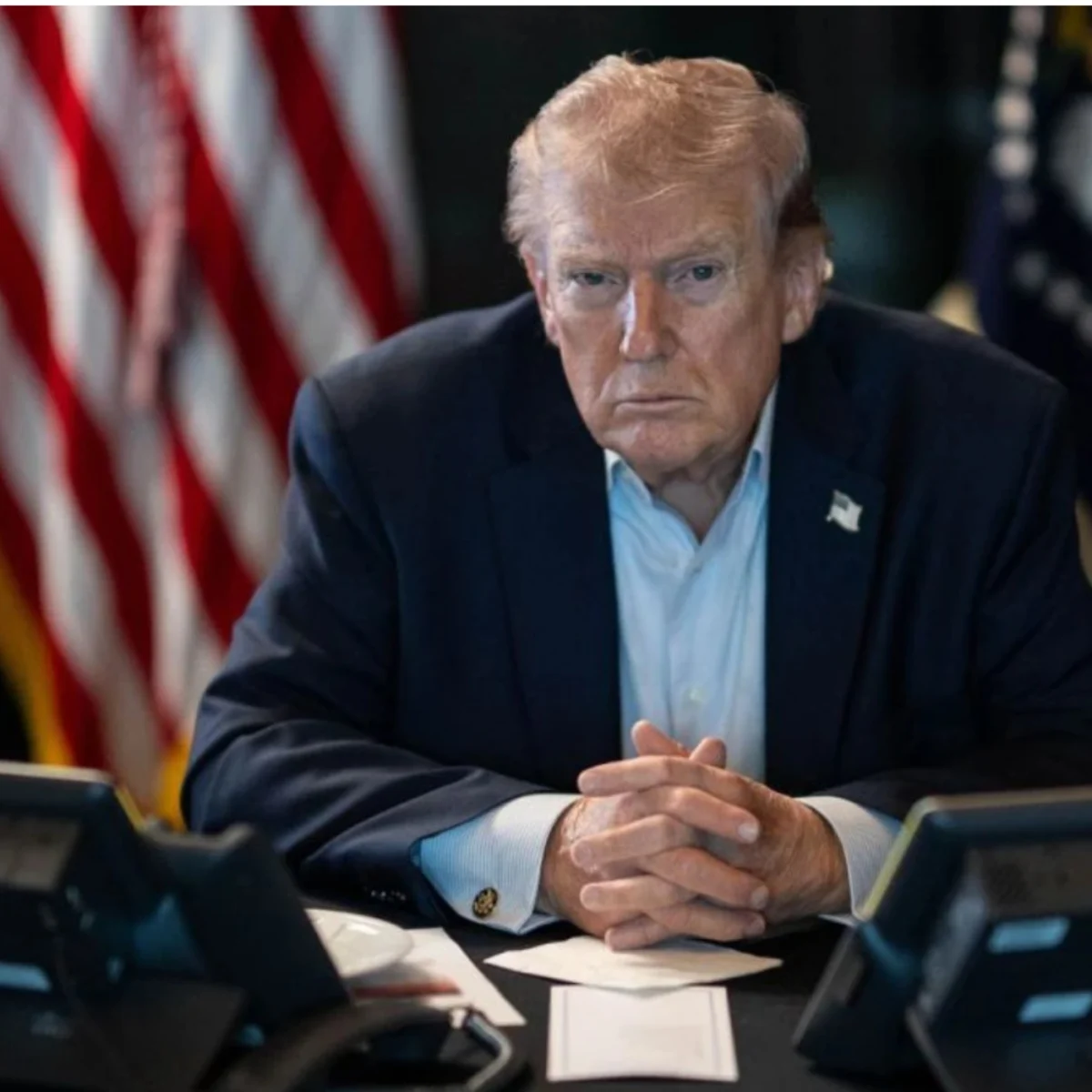
United States President Donald Trump has declared the ceasefire with Iran officially over. He warned of imminent military strikes against Iranian targets, escalating tensions that threaten to reignite full-scale conflict in the Middle East. Speaking at a NATO summit in Ankara, Turkey, Trump told reporters the US would "hit them hard tonight," signaling a dramatic shift from diplomacy to direct confrontation.
The breakdown follows a series of reciprocal attacks between American and Iranian forces. On Tuesday, the US launched strikes against Iranian military sites after Tehran targeted three commercial tankers in the Strait of Hormuz. Iran retaliated by hitting American bases in Bahrain and Kuwait. Trump framed the renewed aggression as necessary retaliation, accusing Iran of violating the terms of the temporary agreement. "They are behaving very badly," he said, dismissing further negotiations as a "waste of time."
Trump’s rhetoric extended beyond military targets. He threatened to seize Kharg Island, Iran’s primary oil export hub, which handles 90 percent of the country’s crude shipments. "Maybe we’ll take over Kharg Island," he said. "There’s not a thing they could do about it." The statement marks a significant escalation, as control of the island would cripple Iran’s economy and global oil markets. Analysts warn such a move could trigger a broader regional war, drawing in neighboring states and disrupting energy supplies worldwide.
The timing of Trump’s threats coincides with the funeral of Iran’s late Supreme Leader Ayatollah Ali Khamenei, who was killed in February during the initial US airstrikes. The funeral, which concludes Thursday, was expected to provide a brief period of de-escalation. Instead, Trump’s remarks have shattered any hope of calm. Iranian Parliament Speaker Mohammad Bagher Qalibaf responded defiantly, declaring on social media, "The era of bullying and extortion is over. It leads nowhere. We don’t fold."
The collapse of the ceasefire has sent shockwaves through global markets. Oil prices surged immediately after Trump’s announcement, reflecting fears of prolonged supply disruptions. Stock markets in Europe and Asia fell sharply, with investors bracing for a protracted conflict. The Strait of Hormuz, a critical chokepoint for global oil shipments, remains a flashpoint. Any sustained closure would strangle energy exports from the Persian Gulf, triggering price spikes and economic instability.
Trump’s strategy appears to rely on overwhelming force to compel Iranian compliance. He has repeatedly dismissed diplomatic solutions, insisting Iran must abandon its nuclear program or face unilateral US action. "Our agreement with Iran stipulates that it must halt the nuclear program, or we will do so ourselves," he said. However, his approach risks isolating Washington from key allies. NATO members, including Turkey, have expressed unease over the potential for a wider war. European leaders, who previously brokered the now-defunct Iran nuclear deal, have called for restraint, urging both sides to return to negotiations.
The humanitarian cost of renewed conflict would be catastrophic. The initial US-Iran war, which began in February, displaced millions and triggered a regional refugee crisis. Hospitals in Iraq and Syria, already strained by years of conflict, would face overwhelming pressure. Iran’s civilian infrastructure, including power plants and desalination facilities, remains vulnerable to US strikes. Trump’s threats to target these sites underscore the potential for mass civilian casualties, a prospect that has drawn condemnation from human rights organizations.
Iran’s leadership has shown no signs of backing down. President Masoud Pezeshkian, attending Khamenei’s funeral in Najaf, Iraq, has vowed to defend the country’s sovereignty. Iranian military commanders have warned of a "decisive response" to any further US aggression. The country’s ballistic missile program, capable of striking US bases across the Middle East, remains a potent deterrent. However, Iran’s conventional forces are no match for US firepower, raising the risk of asymmetric warfare, including cyberattacks and proxy conflicts.
The geopolitical fallout extends beyond the Middle East. Russia and China, both vocal critics of US foreign policy, have condemned Trump’s threats. Moscow has accused Washington of undermining regional stability, while Beijing has called for an emergency session of the United Nations Security Council. The US, however, has signaled it will act unilaterally if necessary, bypassing international institutions. This stance risks further alienating global partners and emboldening adversaries, setting the stage for a new era of great-power competition.