
Iran suspended nuclear negotiations with the United States on Sunday after President Donald Trump threatened fresh military strikes. The talks, held at the Swiss resort of Bürgenstock, collapsed within hours of Trump’s public ultimatum. Tehran’s decision marks a sudden reversal in diplomatic efforts that had gathered momentum over the past month.
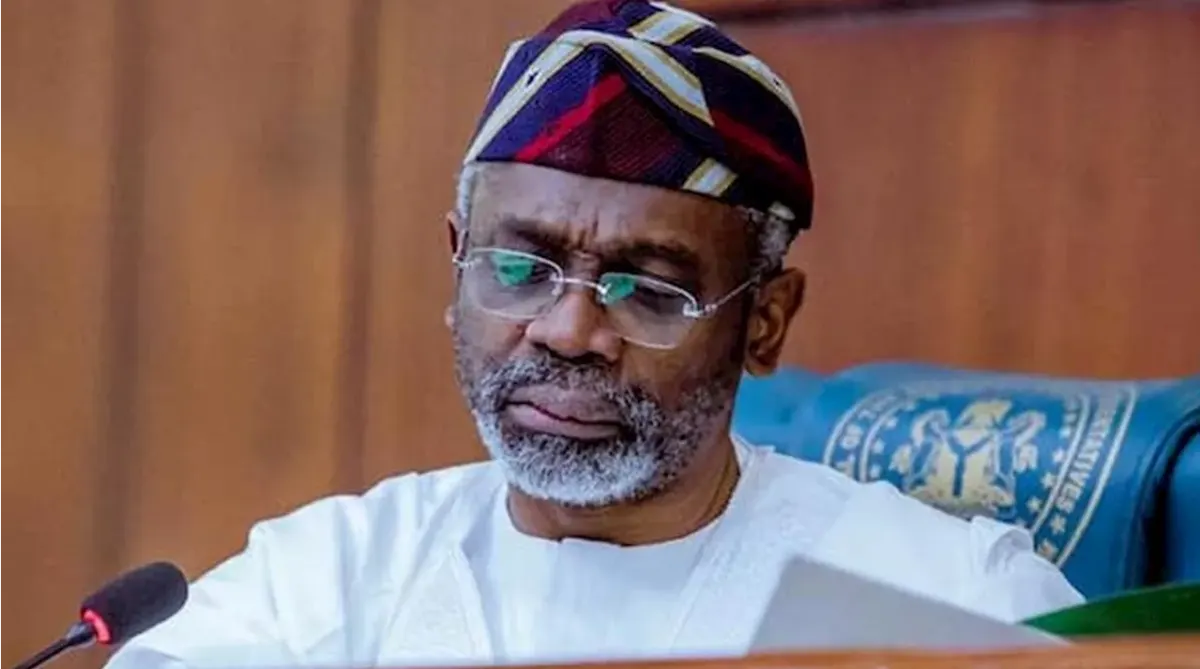
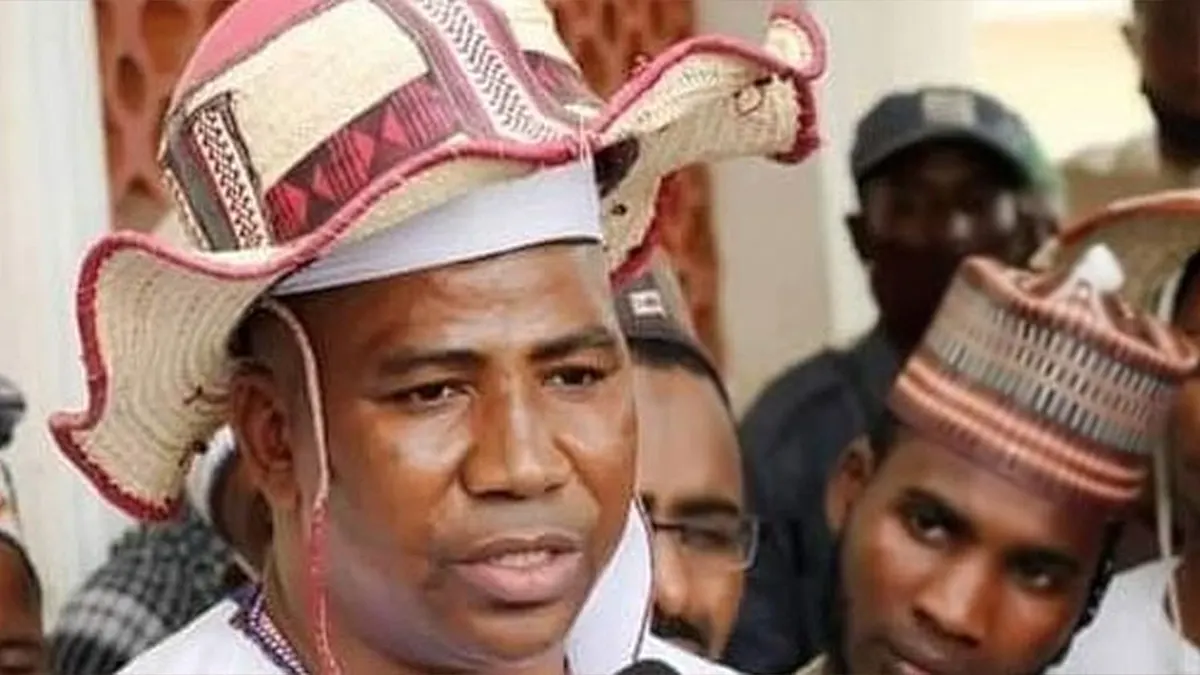
The Bürgenstock meetings were the first high-level direct talks between US and Iranian officials in recent memory. US Vice President JD Vance led the American delegation. Iranian Foreign Minister Abbas Araghchi and Parliament Speaker Mohammad Bagher Ghalibaf represented Tehran. Qatar and Pakistan joined as mediators. The agenda focused on uranium enrichment limits and potential sanctions relief. Both sides had described the talks as a historic opportunity to reset relations.
Trump’s threat arrived as delegations convened. He posted on Truth Social that Iran must immediately stop Hezbollah from causing trouble in Lebanon. If not, he warned, the US would hit Iran harder than the recent strikes on Natanz and Fordow. The Iranian delegation walked out within hours. Fars news agency reported the talks were now in a state of uncertainty. No official statement has been issued by either government.
The timing of Trump’s threat exposes a critical flaw in the US diplomatic strategy. The White House had assembled a multilateral framework to pressure Iran into compliance. Yet the president undercut his own negotiators by issuing a public ultimatum while talks were in progress. This dual-track approach—diplomacy paired with military threats—has repeatedly backfired in US-Iran relations. Previous rounds of negotiations under the Obama administration succeeded only when military rhetoric was muted. Trump’s public posturing may have given Tehran an easy pretext to withdraw.
Iran’s response reveals deeper institutional resistance to US demands. Tehran has long insisted its support for regional proxies like Hezbollah is non-negotiable. Ghalibaf’s warning to the US to be careful reflects a broader consensus within Iran’s security establishment. The Revolutionary Guards and Parliament view Hezbollah as a strategic asset. Any concession on this front would require a fundamental shift in Iran’s regional policy. The US demand for immediate restraint on Hezbollah thus clashes with Iran’s core national security doctrine.
The collapse of the Bürgenstock talks also highlights the fragility of third-party mediation. Qatar and Pakistan played key roles in bringing both sides to the table. Yet neither mediator could bridge the gap between US military threats and Iranian red lines. Oman, which had successfully brokered earlier backchannel talks, was notably absent from this round. The absence of a trusted intermediary left both sides vulnerable to sudden shifts in rhetoric. This structural gap in the negotiation framework may prolong the current impasse.
Economic pressure adds another layer of complexity. Iran has linked progress on nuclear talks to sanctions relief. The US had offered limited economic concessions in exchange for a freeze on uranium enrichment. Yet Iran’s recent decision to reclose the Strait of Hormuz signals its willingness to escalate economically. The strait handles 20% of global oil trade. Any prolonged closure would spike energy prices and strain US allies in Europe and Asia. This economic leverage gives Iran a powerful bargaining chip that the US cannot easily counter.
The regional fallout from the collapsed talks could be severe. Hezbollah has intensified attacks on Israel from southern Lebanon. Israel has responded with airstrikes on Hezbollah positions. A wider conflict could draw in Syria, Iraq, and Yemen. The US has already conducted strikes on Iranian-backed militias in Iraq and Syria. If Iran resumes uranium enrichment at pre-2015 levels, Israel may launch preemptive strikes on Iranian nuclear sites. The risk of miscalculation has rarely been higher.