
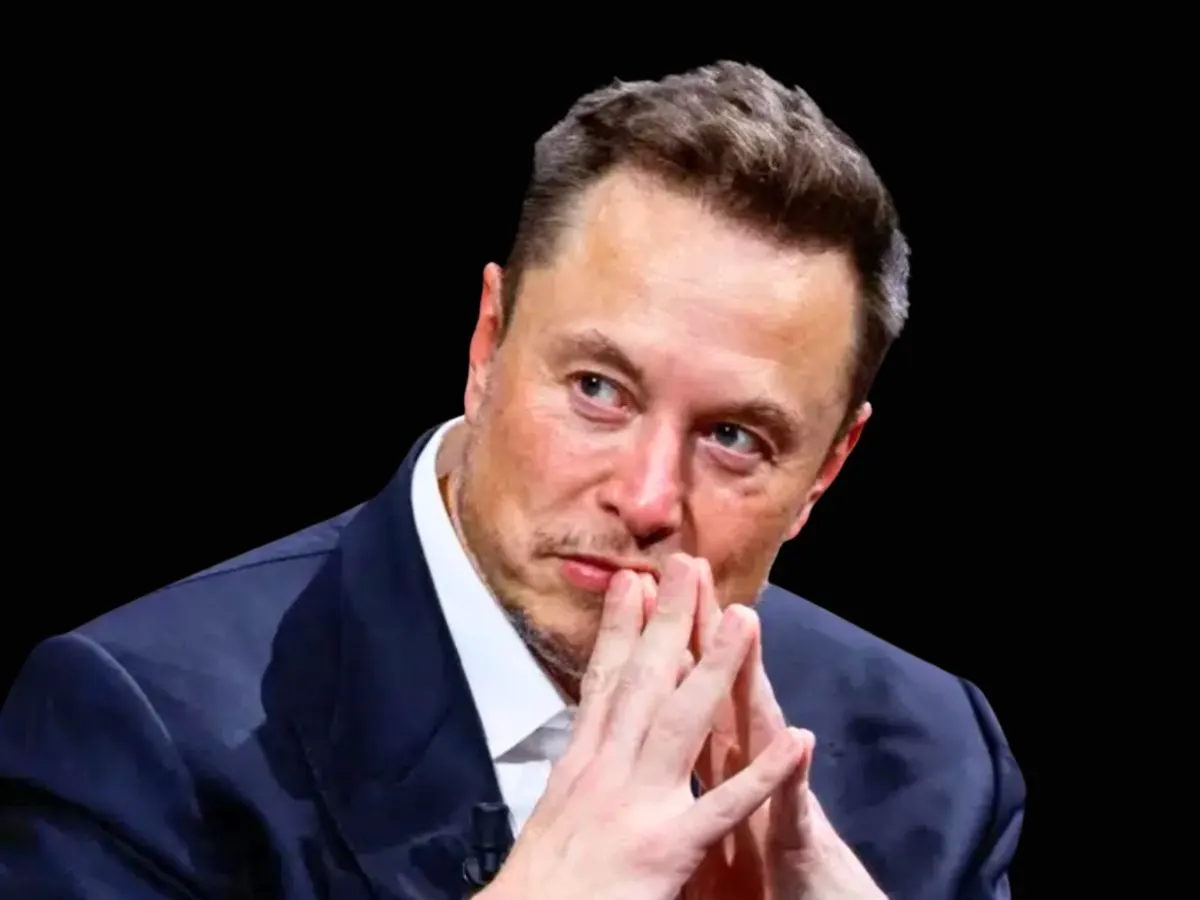
Elon Musk became the world’s first trillionaire on June 12, 2026. The milestone followed the record-breaking initial public offering of SpaceX, which valued the company at $1.77 trillion. Musk’s net worth surged past $1 trillion after SpaceX shares opened at $172 on Nasdaq, a 27% jump from the $135 IPO price.
The IPO raised $75 billion by selling 556 million shares. Institutional investors, including sovereign wealth funds and long-only asset managers, accounted for 70% of the allocation. Retail investors, many of them Musk’s supporters, snapped up the remaining shares. Demand was so high that the offering was oversubscribed four times. BlackRock alone placed a $5 billion order, according to the Wall Street Journal.
Musk’s fortune is tied to his equity in SpaceX and Tesla. Before the IPO, his net worth stood at $780 billion. The SpaceX listing added $220 billion to his holdings, pushing him past the trillion-dollar mark. Tesla’s valuation, where Musk holds a $273 billion stake, remains a critical component of his wealth. SpaceX’s success in satellite internet, rocket launches, and artificial intelligence projects has driven its rapid growth.
The achievement reshapes global wealth rankings. Musk’s net worth now exceeds the combined fortunes of Jeff Bezos, Larry Ellison, Larry Page, and Sergey Brin, which total $1.09 trillion. It also surpasses the economic output of most countries. Only a handful of nations, including Taiwan, Ireland, and Sweden, generate annual GDP figures higher than $1 trillion. Manhattan’s 2024 economic output, estimated at just over $1 trillion, now matches Musk’s personal fortune.
SpaceX’s debut on Nasdaq marks a pivotal moment for the technology sector. The company’s rapid expansion into AI, chip manufacturing, and space infrastructure has positioned it as a leader in multiple industries. SpaceX acquired xAI in early 2026, integrating its advanced compute clusters, COLOSSUS and COLOSSUS II, into its operations. The company is also collaborating with Tesla and Intel on Terafab, a chip manufacturing initiative aimed at vertical integration.
The IPO has created thousands of new millionaires among SpaceX employees and early investors. Many retail investors, drawn by Musk’s public persona, bought shares despite the fixed $135 price, which bypassed the traditional price-range discovery process. Analysts warn that the high retail participation could lead to volatility. Sam Grelck, an equity strategist at Truist, noted that the IPO’s size and retail demand may drive significant price swings.
SpaceX’s listing comes at a critical time for AI-related stocks. The company’s valuation reflects investor enthusiasm for artificial intelligence, a sector that has seen record highs in recent months. The IPO sets a benchmark for upcoming AI giants like Anthropic and OpenAI, which are expected to go public later this year. Nasdaq’s rule change in March 2026 allowed SpaceX to join the Nasdaq 100 index immediately, ensuring its inclusion in passive index funds.
The trillion-dollar milestone raises questions about wealth concentration and market stability. Musk’s fortune now rivals the value of entire industries. The combined worth of the world’s 50 most valuable sports franchises, estimated at $353 billion, is less than one-third of his net worth. Critics argue that such wealth disparity could distort markets and policy. Supporters counter that SpaceX’s growth drives innovation and job creation, benefiting the broader economy.


