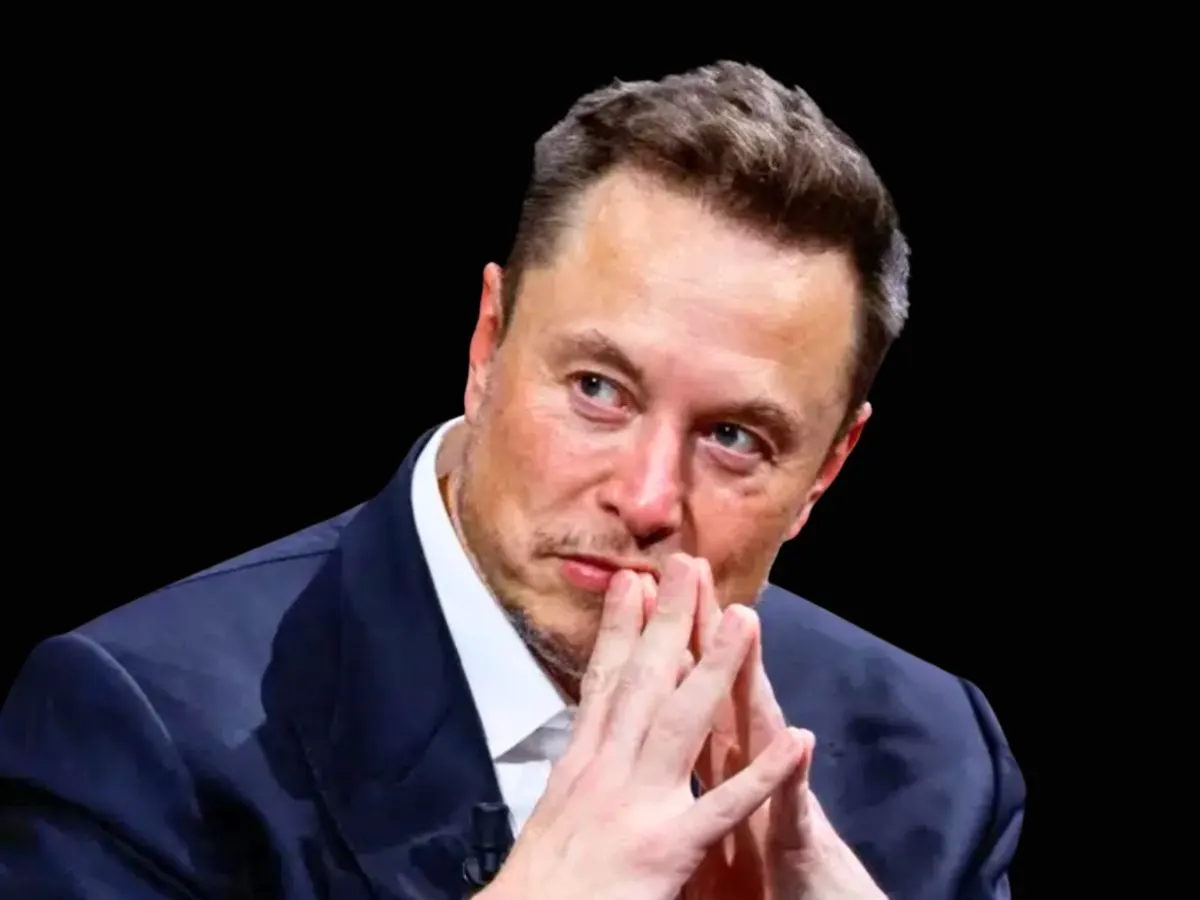

Elon Musk is no longer the world’s first trillionaire. A brutal week in global tech stocks wiped over $500 billion from his net worth, dropping him below the $1 trillion mark for the first time since June 12. Bloomberg’s Billionaires Index now values his fortune at $957 billion. The fall is the largest single wealth loss ever recorded for an individual.
The collapse began with SpaceX. Shares of the rocket company, which debuted on the Nasdaq on June 12, surged 40% in three days. That surge briefly pushed Musk’s net worth to $1.45 trillion, making him the first person in history to cross the trillion-dollar threshold. Within days, however, SpaceX shares fell 31% from their peak. A single trading session on June 23 saw a 16% drop, erasing nearly $1 trillion in market value. Analysts at AJ Bell called the sell-off a classic post-IPO correction, where euphoria gives way to volatility as investors reassess valuations.
Tesla added to the pressure. The electric vehicle maker’s stock fell 5.8% on June 23 amid a broader tech sector sell-off. Musk’s wealth is heavily concentrated in his stakes in Tesla and SpaceX. Unlike traditional billionaires who diversify into cash, real estate, or bonds, Musk’s fortune rises and falls with the daily movements of his companies’ share prices. This concentration leaves him exposed to extreme volatility. In 2022, a Tesla slump wiped $165 billion from his net worth. The current loss is more than three times that figure.
The downturn extends beyond Musk. Oracle founder Larry Ellison and Google co-founders Larry Page and Sergey Brin also saw their fortunes shrink as tech stocks retreated. The Nasdaq Composite Index fell 1.3% on June 23, driven by concerns over artificial intelligence valuations. Investors are questioning whether the rapid growth and capital spending in AI can be sustained. Nvidia and Micron, two key players in the AI sector, saw significant declines. Market analysts warn that the tech sector’s recent rally may have been built on inflated expectations.
Musk’s wealth is further constrained by new restrictions on his Tesla holdings. In April, he converted $116 billion worth of stock options into restricted shares. To retain these shares, he must remain Tesla’s CEO or a senior executive through January 2028. The agreement, part of a performance award originally contested in court, effectively locks him into the company. If he steps down or is removed, he forfeits the shares. This restriction limits his ability to diversify his wealth or respond to market pressures.
The rapid rise and fall of Musk’s fortune highlights a structural flaw in modern wealth accumulation. Billionaires like Musk, Jeff Bezos, and Mark Zuckerberg derive most of their wealth from single companies. When those companies falter, their net worth can swing by hundreds of billions in days. This volatility is unprecedented in economic history. In 2020, the combined wealth of the world’s richest 500 people was less than $8 trillion. Today, a single individual can lose or gain that amount in a week.
The concentration of wealth in tech stocks also raises questions about economic stability. Musk’s $500 billion loss is equivalent to the GDP of Nigeria, Africa’s largest economy. When such vast sums are tied to the performance of a handful of companies, the ripple effects can be global. A prolonged tech downturn could impact venture capital funding, startup valuations, and even consumer spending. In Nigeria, where tech startups have attracted billions in foreign investment, the implications are particularly acute. A sustained tech sell-off could slow the flow of capital into African markets.
Despite the loss, Musk remains the world’s richest person by a wide margin. His net worth still exceeds the combined fortunes of Larry Page and Sergey Brin, who are ranked second and third on the Bloomberg Index. The episode underscores the precarious nature of wealth in the digital age. For Musk, the trillionaire title was fleeting. For the global economy, the volatility it represents is a warning sign. The era of trillion-dollar fortunes may have arrived, but it is far from stable.