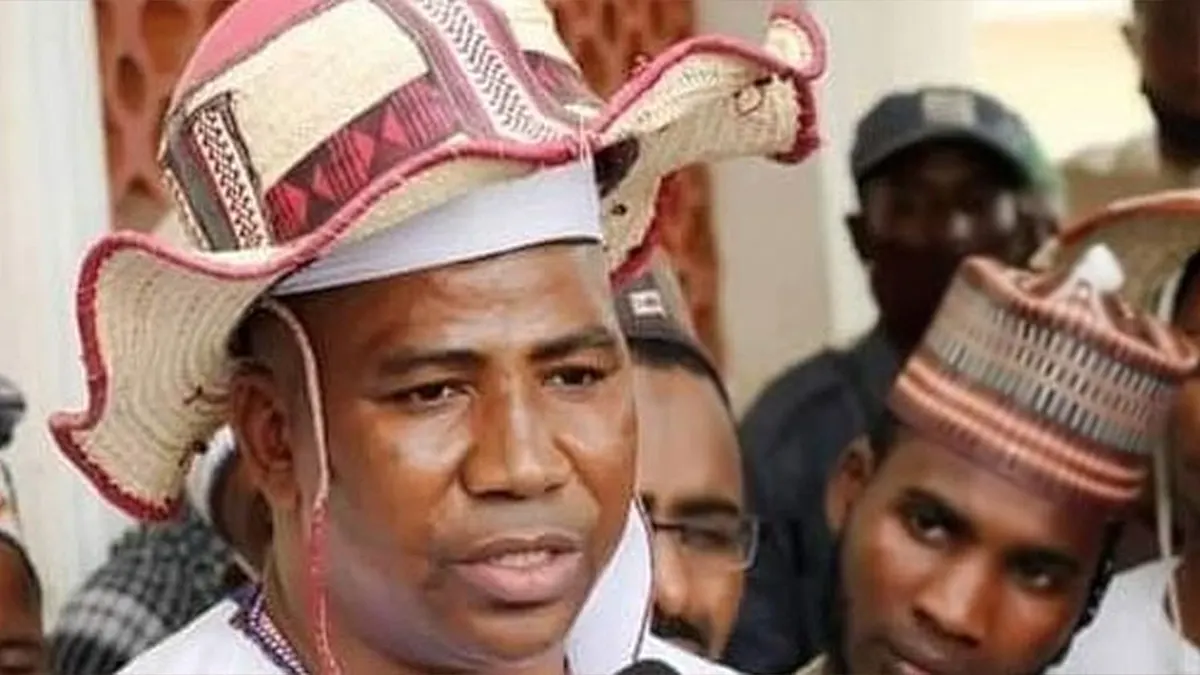

The Ooni of Ife, Oba Adeyeye Enitan Ogunwusi, announced the death of his immediate elder brother, Prince Adetunji Ogunwusi, on July 19, 2026. The monarch described the loss as an irreplaceable void for the Ogunwusi family, the Ojaja Royal Dynasty, and the entire Ile-Ife Kingdom. Prince Adetunji, born on December 8, 1967, was a businessman and philanthropist whose life bridged corporate leadership and traditional values.
Prince Adetunji served as the Group Chairman of Primewaterview Holdings, a conglomerate with interests in real estate, energy, and infrastructure. His leadership earned him respect in Nigeria’s corporate sector for visionary entrepreneurship and integrity. The Ooni’s palace, in a statement signed by Director of Media and Public Affairs Sodiq Lawal, highlighted his brother’s quiet generosity. Prince Adetunji supported education, healthcare, and community development initiatives without seeking public recognition. His philanthropy extended to mentorship programs for young entrepreneurs in Ile-Ife, where he provided financial assistance and career guidance.
The late prince’s influence extended beyond business. As a scion of the Ojaja lineage of the Giesi Ruling House, he played an active role in preserving Yoruba cultural heritage. He participated in traditional festivals and rituals, reinforcing the kingdom’s spiritual and historical identity. The Ooni’s Leadership Colloquium described his death as a significant loss for the preservation of indigenous knowledge. His commitment to tradition was evident in his support for local artisans, historians, and custodians of oral history.
The Ooni’s tribute emphasized Prince Adetunji’s unwavering dedication to family values. The monarch called him a trusted confidant and dependable pillar of the Ogunwusi family. In his statement, Oba Ogunwusi said, "Today, the entire royal family mourns not only a brother and son but also a trusted confidant, a dependable pillar of our family, and a man whose life reflected honour, dignity, and uncommon compassion." The prince’s impact was felt across Ile-Ife, where he championed projects aimed at youth empowerment and women’s economic inclusion. His approach combined modern business strategies with traditional communal values.
Prince Adetunji’s death has elicited an outpouring of grief from Nigeria’s traditional and business communities. The Ooni’s palace has not yet announced funeral arrangements, but royal protocols in Ile-Ife suggest elaborate ceremonies will follow. Traditional funerals for members of the ruling house typically involve dignitaries, business leaders, and cultural groups. The palace urged well-wishers to respect the family’s privacy during this period, though public condolence visits are expected once details are finalized. The delay reflects the family’s need to consult with traditional councils and spiritual leaders.
The late prince’s legacy reveals a rare intersection of corporate success and cultural stewardship. His leadership at Primewaterview Holdings secured partnerships with international investors in renewable energy and affordable housing. Colleagues described him as a negotiator who balanced profit with social responsibility. His death raises questions about succession within family-owned enterprises in Nigeria. Industry observers note that his personal networks were critical to the conglomerate’s growth, and his absence may test its resilience.
Prince Adetunji’s life also highlighted the challenges facing Nigeria’s traditional institutions. As younger generations migrate to urban centers, royal families struggle to maintain cultural continuity. His ability to navigate corporate leadership while upholding his duties as a royal scion set a precedent. The Ojaja Royal Dynasty now faces the task of preserving its legacy amid rapid social change. His death underscores the need for deliberate succession planning to ensure cultural and economic leadership endure.
The national response to Prince Adetunji’s death reflects his broader influence. Traditional rulers, business leaders, and political figures have acknowledged his contributions to nation-building. The Ooni’s statement urged Nigerians to take solace in his brother’s impactful life. "Though his earthly journey has come to an end, his footprints on the sands of time can never be erased," the monarch said. For the people of Ile-Ife, his death is a moment of reflection on the values that define their community. His life’s work serves as a reminder of the enduring relevance of traditional institutions in shaping Nigeria’s future.
Beyond his public roles, Prince Adetunji was known for his humility and accessibility. Colleagues and beneficiaries of his philanthropy described him as a man who listened more than he spoke. His mentorship programs in Ile-Ife focused on practical skills, such as vocational training and financial literacy. These initiatives were designed to create self-sufficiency rather than dependence. His approach to philanthropy was rooted in the belief that sustainable development requires empowerment, not charity.