
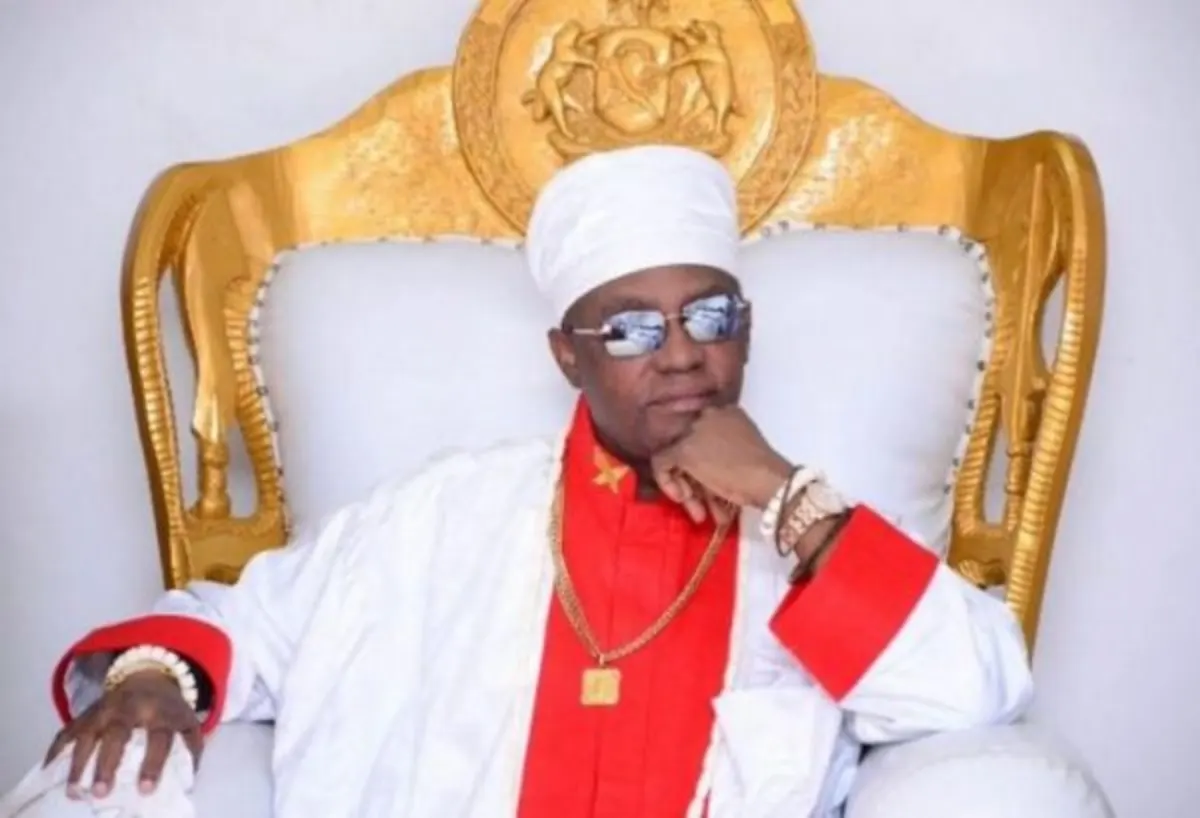
The Oba of Benin, Oba Ewuare II, has summoned native doctors, traditional priests, and priestesses to an emergency meeting at his palace. The gathering is set for June 23, 2026. The move comes as Edo State grapples with rising kidnappings, cult violence, and organised crime. The palace statement framed the meeting as a direct response to the state’s deteriorating security landscape.
The Benin Traditional Council issued the directive through Chief Victor Nosakhare, acting on behalf of Secretary Frank Irabor. The statement emphasised the urgency of the situation. It called on all traditional spiritual practitioners in the Benin Kingdom to attend without delay. The palace also scheduled a follow-up meeting with youth leaders, known as Okaighele, for the next day. This dual engagement signals a coordinated effort to mobilise both spiritual and community-based resources against crime.
The decision reflects a growing trend among traditional rulers to intervene where state security apparatuses falter. Edo State has seen a surge in violent incidents, including mass abduction threats targeting schools. Governor Monday Okpebholo recently ordered the closure of schools in Edo North after a leaked DSS memo warned of planned kidnappings. The Oba’s initiative positions traditional institutions as complementary forces to formal security agencies, not replacements.
The meeting’s timing aligns with a broader national crisis. Nigeria’s security challenges have escalated beyond urban centres into rural communities. Traditional rulers, particularly in the South-South, have increasingly assumed roles as mediators and early warning systems. The Benin Kingdom’s approach mirrors similar interventions by the Ooni of Ife and the Sultan of Sokoto, who have leveraged cultural authority to address conflict and criminality.
However, the move has exposed institutional gaps in Nigeria’s security architecture. The reliance on traditional spiritual practitioners underscores the limitations of conventional law enforcement. Police response times in Edo State remain slow, and intelligence-sharing between agencies is often fragmented. The Oba’s summons also raises questions about the legal boundaries of traditional authority in modern governance. While the palace wields significant moral influence, its ability to enforce outcomes remains constrained by constitutional limits.
A deeper structural issue lies in the erosion of community trust in state institutions. Many Edo residents now view traditional rulers as more accessible and accountable than elected officials. This shift has forced monarchs to adopt quasi-governmental roles, from conflict resolution to economic advocacy. The Benin Traditional Council’s engagement with youth leaders suggests an attempt to bridge generational divides that fuel cultism and gang recruitment. Yet, without formal integration into security planning, these efforts risk being symbolic rather than transformative.
The meeting’s agenda remains undisclosed, but historical precedents offer clues. Past interventions by traditional rulers have included spiritual declarations against criminal elements, community surveillance networks, and mediation with repentant cultists. The Oba’s 2018 curse on kidnappers and human traffickers, for instance, was followed by a temporary decline in such crimes in Benin City. However, the resurgence of violence indicates that spiritual deterrence alone is insufficient without parallel state action.
Analysts warn that the Oba’s initiative could face resistance from religious groups and secular critics. Some Pentecostal leaders have previously condemned traditional spiritual practices as unchristian. Meanwhile, human rights organisations may question the transparency of processes involving native doctors. The palace has not indicated whether the meetings will be open to observers or if outcomes will be publicly documented. This opacity risks undermining the credibility of the intervention, particularly among urban youth who increasingly reject traditional authority.