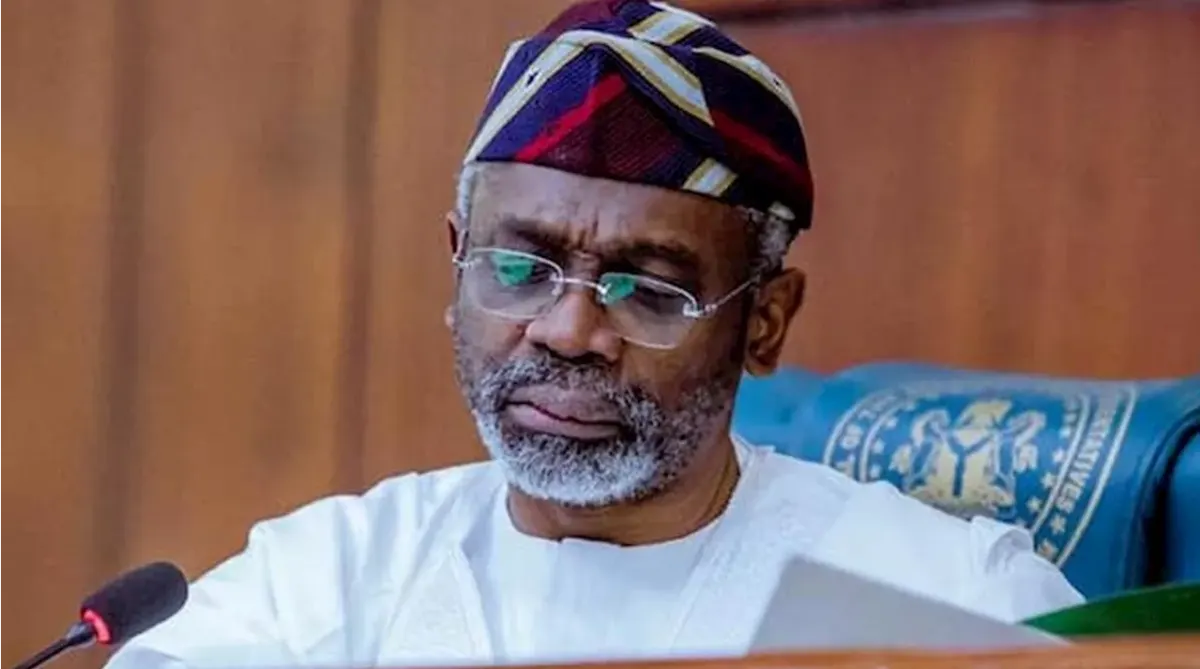

Olayinka Hakeem Babalola became the second African president of Rotary International on Wednesday. His election marks a defining moment for Nigeria and the continent. Rotary now has a leader who understands the unique challenges of the Global South. Babalola takes charge of 1.2 million members across 45,000 clubs in nearly every country.
Babalola’s presidency signals a strategic shift toward peacebuilding and community-driven solutions. He plans to strengthen Rotary’s role in conflict resolution and sustainable development. His focus aligns with Africa’s growing influence in global humanitarian efforts. The new president has already outlined a vision that prioritizes local ownership of projects. This approach contrasts with traditional top-down aid models that often fail to deliver lasting impact.
The engineering executive brings three decades of experience to the role. He spent years in the oil and gas sector before founding Riviera Technical Services Ltd. His leadership extends beyond business. Babalola has been deeply involved in Rotary’s peace initiatives at Makerere University in Uganda. This experience gives him firsthand knowledge of Africa’s most pressing development needs. His background positions him to bridge gaps between corporate leadership and grassroots activism.
Rotary’s polio eradication campaign remains a top priority under Babalola’s leadership. The organization has contributed over $3 billion to the Global Polio Eradication Initiative. Cases have dropped by 99.9 percent since the program began. Babalola previously served on Rotary’s End Polio Now Countdown to History Campaign Committee. His involvement in Nigeria’s National PolioPlus Committee gives him direct experience with the challenges of immunization campaigns in hard-to-reach areas.
Babalola’s rise reflects a broader trend of African professionals taking global leadership roles. He follows Jonathan B. Majiyagbe, the first African Rotary president who served in 2003-2004. Majiyagbe’s tenure set the stage for Babalola’s election by demonstrating Africa’s capacity to lead international organizations. The new president inherits an organization that has awarded more than $5.5 billion to humanitarian projects over the past century. This financial power gives Babalola significant leverage to shape global development agendas.
A critical but overlooked aspect of Babalola’s leadership will be his ability to navigate Rotary’s internal power structures. The organization’s decentralized model gives local clubs significant autonomy. This structure can create coordination challenges for global initiatives. Babalola’s experience in change management through his consulting firm may prove crucial. He will need to align diverse regional priorities with Rotary’s overarching goals. His success will depend on balancing local flexibility with global coherence.
Another underreported dimension is Rotary’s potential to influence corporate social responsibility trends. Babalola’s background in the oil and gas industry gives him unique credibility with business leaders. He can leverage this position to encourage more private sector involvement in humanitarian projects. His presidency comes at a time when corporations face increasing pressure to demonstrate social impact. Rotary’s established network of local clubs could provide a ready-made infrastructure for corporate-community partnerships.
The timing of Babalola’s presidency coincides with Nigeria’s growing diplomatic influence. His leadership could amplify Nigeria’s voice in international forums. Rotary’s consultative status with the United Nations gives Babalola a platform to advocate for African priorities. His focus on peacebuilding aligns with Nigeria’s role in regional security initiatives. The presidency offers an opportunity to showcase Nigeria’s soft power at a time when the country seeks to reposition itself on the global stage.
Babalola’s personal story adds another layer of significance to his presidency. He began his Rotary journey through Rotaract, the organization’s youth program. This path demonstrates the potential for leadership development within Rotary’s ranks. His membership in the prestigious Arch Klumph Society reflects a deep commitment to philanthropy. These personal connections could help him mobilize resources for ambitious projects. His presidency may inspire more young professionals to engage with Rotary’s mission.
Rotary’s future under Babalola will likely see an increased emphasis on measurable outcomes. The organization has faced criticism for some projects that fail to deliver sustainable impact. Babalola’s engineering background suggests a preference for data-driven approaches. His leadership could usher in a new era of accountability for Rotary’s global initiatives. This shift would align with growing donor expectations for transparency and results.