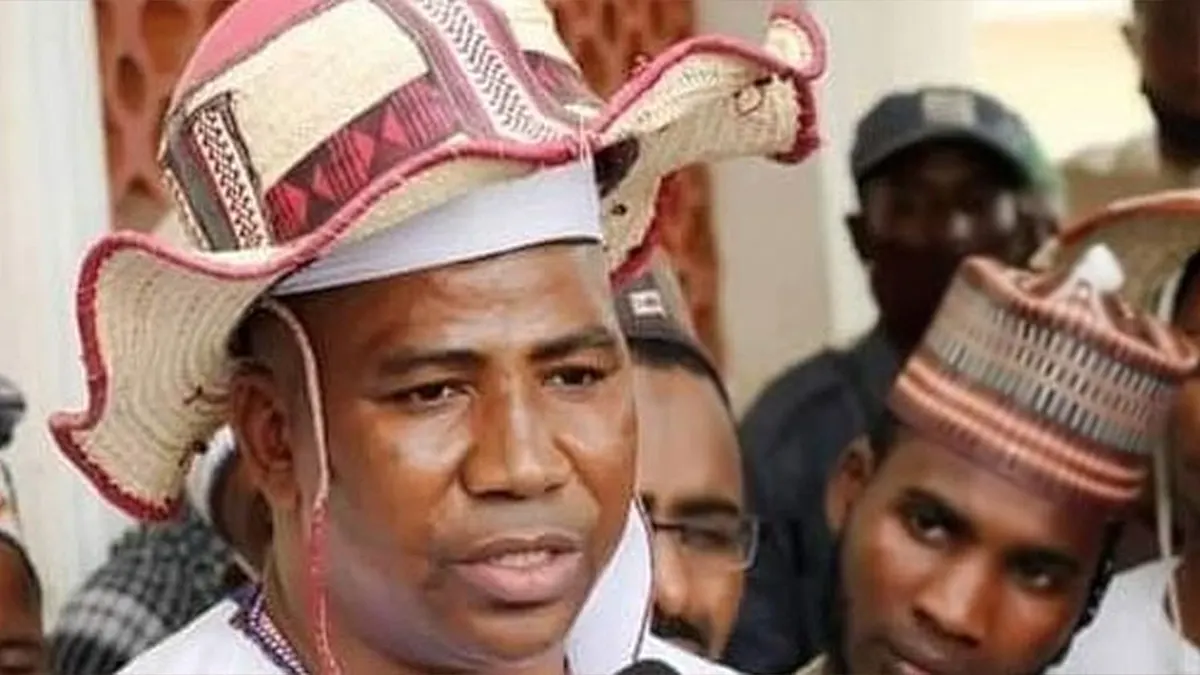

The Federal Government has activated Nigeria’s first clinical trial centre in the North-East. The facility at Abubakar Tafawa Balewa University Teaching Hospital (ATBUTH) in Bauchi was commissioned by Coordinating Minister of Health and Social Welfare Professor Muhammad Ali Pate on July 5. The centre is designed to run vaccine, drug and diagnostic trials under international ethical standards.
The inauguration ceremony was held during Pate’s two-day tour of Bauchi State. While there he also flagged off a N10 billion distribution of Emergency Obstetric and Newborn Care equipment to 20 primary health centres across the state. The minister inspected new hospital wards and a skills laboratory that will train the next generation of Nigerian clinicians. Pate told reporters the centre would help Nigeria generate its own medical evidence instead of relying on data from Europe or North America.
ATBUTH Chief Medical Director Professor Yusuf Bara Jibrin said the centre is a turning point for the region. It will conduct trials on vaccines, medicines and diagnostics while training healthcare workers and building local research capacity. Jibrin singled out two international partners—the Coalition for Epidemic Preparedness Innovations (CEPI) and the Medical Research Council Unit The Gambia at the London School of Hygiene & Tropical Medicine—for providing technical support and funding that made the centre possible.
The centre’s immediate focus is on diseases that hit hardest in the North-East: Lassa fever, meningitis and maternal sepsis. A dedicated maternal-health trial unit will test new interventions to reduce Nigeria’s stubbornly high maternal mortality rate. The facility also includes a biosafety level-2 laboratory that can safely handle infectious pathogens without risking community spread.
Behind the scenes the centre is already changing how Nigeria funds research. The Federal Ministry of Health has earmarked N1.2 billion in the 2026 budget for clinical-trial infrastructure nationwide. Bauchi State contributed a 5-hectare plot and a N500 million endowment to ensure the centre’s long-term sustainability. These moves mark a shift from ad-hoc donor projects to predictable government investment in medical science.
Yet the centre faces structural hurdles. Nigeria’s clinical-trial regulations are still fragmented across three agencies—the National Agency for Food and Drug Administration and Control (NAFDAC), the National Health Research Ethics Committee (NHREC) and the Medical and Dental Council of Nigeria (MDCN). Approval timelines can stretch to 18 months, deterring global pharmaceutical companies. ATBUTH has set up an in-house ethics review board to cut that delay by half, but national harmonisation is still pending.
Another challenge is workforce retention. The centre needs 12 principal investigators and 24 research nurses to run at full capacity. ATBUTH has poached five investigators from Lagos and Ibadan but must train local graduates to fill the remaining slots. A memorandum of understanding with the University of Maiduguri’s College of Medical Sciences will provide a steady pipeline of junior researchers through joint degree programmes.
The centre’s first trial—a phase-2 study of a Nigerian-made Lassa fever vaccine—begins in September. If successful the vaccine could be licensed by 2028, making it the first home-grown product to complete a full clinical-development cycle in Nigeria. For a region that has suffered repeated outbreaks the centre is not just a research hub; it is a bet on scientific self-reliance.