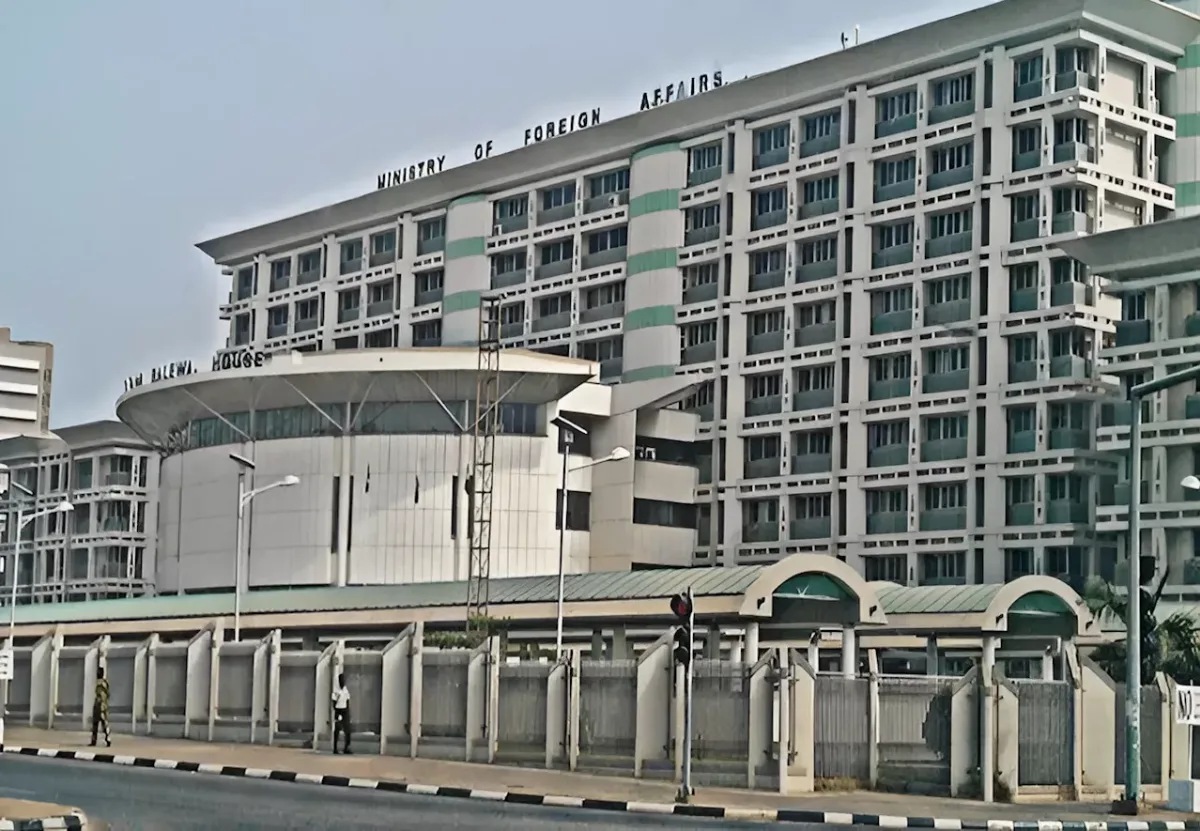
The Federal Government of Nigeria secured the release of six citizens detained in Côte d’Ivoire for eight months. The detainees, held since October 2025 over alleged economic crimes, were freed after sustained diplomatic efforts by the Nigerian Embassy in Abidjan. Four were released on June 22, 2026, with the remaining two following on June 23. The Ministry of Foreign Affairs confirmed the development in a statement signed by spokesperson Kimiebi Ebienfa.
The Nigerian Embassy maintained regular consular access to the detainees throughout their detention. Ambassador Nwabiola Ezenwa and embassy officials engaged directly with Côte d’Ivoire’s Ministries of Foreign Affairs and Justice to monitor their welfare and push for their release. The Ivorian government’s cooperation was described as instrumental, reflecting the cordial bilateral relationship between the two nations. The Foreign Affairs Ministry commended the embassy’s professionalism, noting that the case demonstrated Nigeria’s commitment to protecting its citizens abroad.
The detainees’ release exposes systemic challenges under the Economic Community of West African States (ECOWAS) free movement protocol. While the protocol guarantees visa-free travel and residency rights for citizens of member states, enforcement remains inconsistent. Nigerian citizens, particularly small-scale traders and informal workers, frequently face detention on vague economic charges. Côte d’Ivoire’s civil law system, inherited from French colonial rule, creates additional barriers for Nigerian detainees unfamiliar with the language or legal procedures. Many detainees report being held without formal charges or access to legal representation for extended periods.
The Nigerian Embassy in Abidjan has introduced a 24-hour hotline for citizens in distress, funded by a 40% increase in the Foreign Affairs Ministry’s 2026 consular intervention budget. This expansion aims to address the rising number of detention cases, which embassy records show increased by 30% in 2025 compared to the previous year. However, resource constraints persist. The embassy’s legal team, consisting of just three locally hired lawyers, struggles to handle the volume of cases, which now average 15 active detentions at any given time. The Foreign Affairs Ministry has acknowledged the need for additional staffing but has not yet announced concrete plans to address the shortfall.
The detainees’ prolonged detention without trial raises questions about due process in Côte d’Ivoire. Nigerian diplomatic sources confirmed that the embassy documented welfare concerns, including restricted family visits and limited access to legal aid. While the Ivorian government cooperated in securing the release, there has been no public commitment to reform detention policies for foreign nationals. The Nigerian Foreign Affairs Ministry has since advised citizens traveling abroad to register with the nearest embassy upon arrival, enabling faster consular intervention in emergencies. The ministry has also launched a campaign to educate Nigerians on local laws in Côte d’Ivoire, focusing on common pitfalls such as visa violations and informal business activities.
The case highlights the legal risks faced by Nigerian migrants in Francophone West Africa. Language barriers and unfamiliar legal systems exacerbate their vulnerability, particularly for those engaged in informal trade. The Nigerian Embassy in Abidjan has partnered with local NGOs to provide translation services and pro bono legal support, but these efforts remain underfunded. A 2025 report by the Nigerian Citizens Abroad Commission (NCAC) found that 60% of Nigerian detainees in Côte d’Ivoire were held for visa violations or unregistered business activities. The report also noted that detainees often lack awareness of their rights under Ivorian law, leading to prolonged detention without formal charges.
The Federal Government’s advisory to Nigerians abroad reflects a growing recognition of diaspora safety challenges. The Ministry of Foreign Affairs has urged citizens to comply with local laws and maintain contact with Nigerian missions. Despite these efforts, economic pressures continue to drive undocumented migration. Many Nigerians, particularly in border regions, cross into Côte d’Ivoire for trade without proper documentation. The embassy’s consular team has reported a rise in cases involving visa violations, with 45% of detentions in 2025 linked to informal business activities. The government’s legal literacy programs aim to reduce these risks, but participation remains low due to limited outreach in rural areas.
The successful release of the six detainees has sparked debate over Nigeria’s foreign policy priorities. While the government frames the outcome as a diplomatic victory, critics argue that the focus on consular interventions distracts from addressing the root causes of migration. The Foreign Affairs Ministry has defended its diaspora engagement strategy, citing investment summits and skills repatriation programs as long-term solutions. However, these initiatives have yet to reduce the immediate risks faced by Nigerian migrants. The Nigerian Labour Congress (NLC) has called for stronger bilateral agreements with Côte d’Ivoire to standardize detention procedures and ensure fair treatment for Nigerian citizens.
The Nigerian government’s handling of this case offers a model for other African nations grappling with similar challenges. The East African Community (EAC) has faced comparable issues, with traders and migrant workers frequently detained due to varying national laws. Nigeria’s proactive consular intervention in Côte d’Ivoire demonstrates the importance of robust embassy staffing and deep relationships with host-country authorities. For foreign ministries across the continent, the case underscores the need for standardized legal support and faster response mechanisms. The success in Abidjan also highlights the urgency for ECOWAS to strengthen enforcement of free movement protocols, ensuring that theoretical guarantees translate into tangible protections for citizens.