
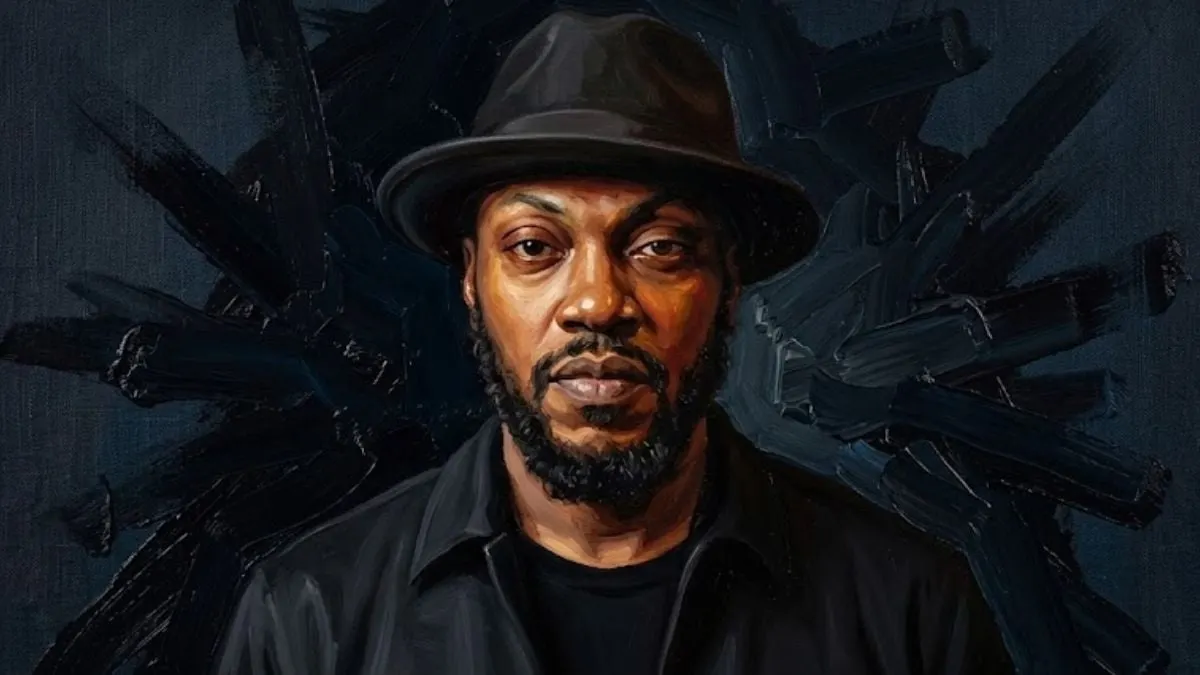
Grammy-nominated rapper Mystikal was sentenced to 20 years in prison on June 17. The Louisiana court handed down the maximum penalty allowed under a plea deal that reduced the original first-degree rape charge. The case stems from a 2022 assault at his home in Prairieville. Mystikal, whose real name is Michael Lawrence Tyler, pleaded guilty to third-degree rape in March. The agreement spared him a possible life sentence but locked him into two decades behind bars.
The victim testified in open court. She described a violent attack that included punching, choking, and the forcible removal of her braids. She told the judge Mystikal then raped her. The rapper addressed the court only once. He said, "If I did that to you, I deserve the max sentence." The judge imposed the 20-year term immediately after. Mystikal’s attempt to withdraw his guilty plea days earlier was denied. He had argued he accepted the deal under emotional distress and without full understanding of the consequences.
The legal process began in July 2022 when Ascension Parish police arrested Mystikal. Initial charges included first-degree rape, domestic abuse battery by strangulation, simple robbery, false imprisonment, and drug possession. He has been held without bail since his arrest. This is not his first conviction for sexual violence. In 2003 he pleaded guilty to sexual battery and served six years in prison. That case involved his hairstylist and was resolved after video evidence surfaced.
Mystikal rose to fame in the late 1990s as a key figure in Southern hip hop. His 2000 album Let’s Get Ready topped the US charts. Hit singles like Shake Ya Ass and Danger (Been So Long) earned him Grammy nominations. His career peaked with collaborations with artists like Lil Wayne and Master P. Yet legal troubles have repeatedly interrupted his professional trajectory. After his 2003 conviction, he struggled to regain commercial momentum. His output dwindled, and he became more known for court appearances than new music.
The sentencing exposes a systemic pattern in the music industry. High-profile artists often face reduced charges through plea deals. Mystikal’s case mirrors others where first-degree rape accusations are downgraded to lesser offenses. This practice can limit public scrutiny of the full extent of the crime. It also raises questions about the consistency of justice for victims. The victim in this case explicitly requested the maximum sentence, yet the plea deal still capped it at 20 years. Such outcomes highlight the tension between legal expediency and victim advocacy.
Another overlooked angle is the financial toll on the artist’s estate. Mystikal’s legal team has not confirmed whether he will appeal. If he does, the process could drain remaining assets. His music catalog, once a lucrative revenue stream, may now be tied up in legal disputes. Royalties from streaming platforms and licensing deals could be frozen pending the outcome. This scenario is common among artists with unresolved criminal cases. It leaves families and business partners in limbo while courts decide the fate of intellectual property.
The case also underscores the role of local media in shaping public perception. Baton Rouge’s WBRZ provided live coverage of the sentencing. Their reporting included direct quotes from the victim and Mystikal’s brief statement. Such transparency is rare in sexual assault cases, where victims often remain anonymous. The visibility of this case may encourage other survivors to come forward. It also puts pressure on prosecutors to pursue similar cases aggressively. The media’s role in holding institutions accountable cannot be underestimated.
Mystikal’s downfall reflects broader cultural shifts in the entertainment industry. Public tolerance for artists with histories of violence has diminished. Social media campaigns and advocacy groups now demand accountability. Platforms like Spotify and Apple Music have removed artists from playlists following criminal convictions. Mystikal’s sentencing may accelerate this trend. It sends a clear message that legal consequences will follow criminal behavior, regardless of fame or commercial success.