
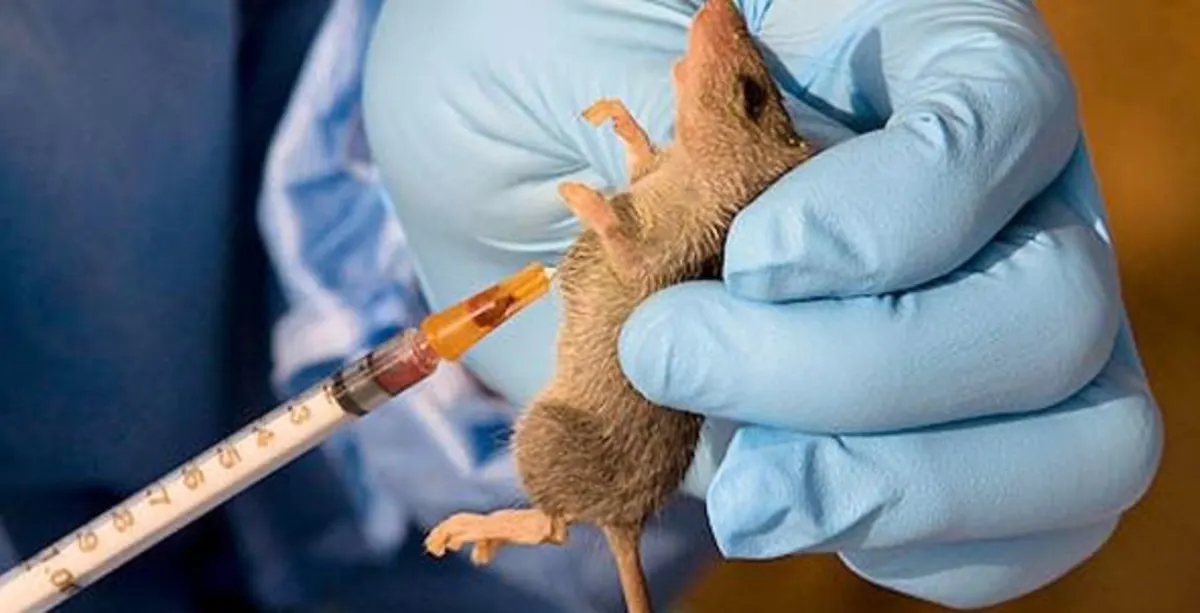
The Nigeria Centre for Disease Control and Prevention confirmed 214 deaths from Lassa fever by June 7 this year. The fatality rate reached 25 percent. This marks a sharp rise from 18.9 percent recorded in the same period last year. The outbreak has spread to 23 states and 109 local government areas since January.
Five states account for 84 percent of all confirmed cases. Ondo leads with 28 percent. Bauchi follows with 25 percent. Taraba reports 15 percent. Edo contributes 10 percent. Benue adds six percent. The remaining 16 percent are scattered across 18 other states. Young adults aged 21 to 30 remain the most affected group. The median age of victims is 30 years. Cases range from one to 93 years old. This year’s death toll surpasses 2025’s mid-year total of 148 by 45 percent.
The National Lassa Fever Multi-Partner Multi-Sectoral Incident Management System remains active. It coordinates response efforts at federal, state, and local levels. No new healthcare worker infections were reported in Week 23. Yet the rising fatality rate and wider geographical spread signal persistent transmission risks. Surveillance and case management continue across all affected states. The NCDC’s 2025 report noted delayed diagnostics in rural primary health centers. This year’s surge suggests those gaps remain unaddressed.
Nigeria’s healthcare system has struggled with recurrent Lassa fever outbreaks for decades. Underfunded primary health centers lack rapid diagnostic tools. Many states report response times exceeding 48 hours. The NCDC’s 2025 situation report revealed 790 confirmed cases and 148 deaths by June of that year. This year’s figures already exceed those numbers. The trend exposes systemic failures in outbreak preparedness. States like Ondo and Bauchi, which account for over half of all cases, have yet to implement robust rodent control programs.
The economic impact of the crisis extends beyond immediate healthcare costs. Families face funeral expenses averaging ₦300,000 per victim, according to NCDC estimates. Infected individuals often lose income during prolonged illness. Agricultural productivity declines in affected regions. Farmers in Taraba and Edo states report reduced yields due to rodent control measures. This disrupts local food supply chains. The price of staple crops like rice and maize has risen by 12 percent in Bauchi markets since the outbreak began.
Public awareness campaigns have failed to curb transmission risks effectively. Many Nigerians still lack basic knowledge about how the virus spreads. Myths about traditional cures persist in rural communities. Some residents resist rodent control measures. Healthcare workers report low compliance with infection prevention protocols. The NCDC’s warning about ongoing transmission underscores the urgency of behavioral change interventions. Only 38 percent of households in high-risk states practice safe food storage, according to a 2025 World Health Organization survey.
The demographic concentration of cases among young adults raises concerns about workforce productivity. The 21 to 30 age group forms the backbone of Nigeria’s labor force. Prolonged illness or death in this group affects economic output. The median age of 30 also coincides with peak child-rearing years. This creates a secondary crisis for families left without primary caregivers. The NCDC has not released data on orphaned children due to Lassa fever deaths. However, local NGOs in Edo state report a 22 percent increase in child-headed households since January.
State-level coordination remains weak in high-burden areas. Ondo and Bauchi, which account for over half of all cases, have not established dedicated Lassa fever task forces. Local governments in these states continue to rely on federal support for basic medical supplies. The absence of state-level funding for rodent control programs hampers containment efforts. Primary health centers in rural areas lack personal protective equipment. Many facilities report stockouts of ribavirin, the primary treatment for Lassa fever.
The NCDC’s 2025 report flagged delayed diagnostics as a critical gap. This year’s surge confirms those weaknesses persist. Rural primary health centers lack polymerase chain reaction machines. Samples must be transported to urban laboratories, delaying results by up to five days. This delay increases transmission risks. It also reduces treatment efficacy. The NCDC has not released data on how many cases were diagnosed post-mortem. However, local health officials in Taraba state estimate 30 percent of cases are identified only after death.