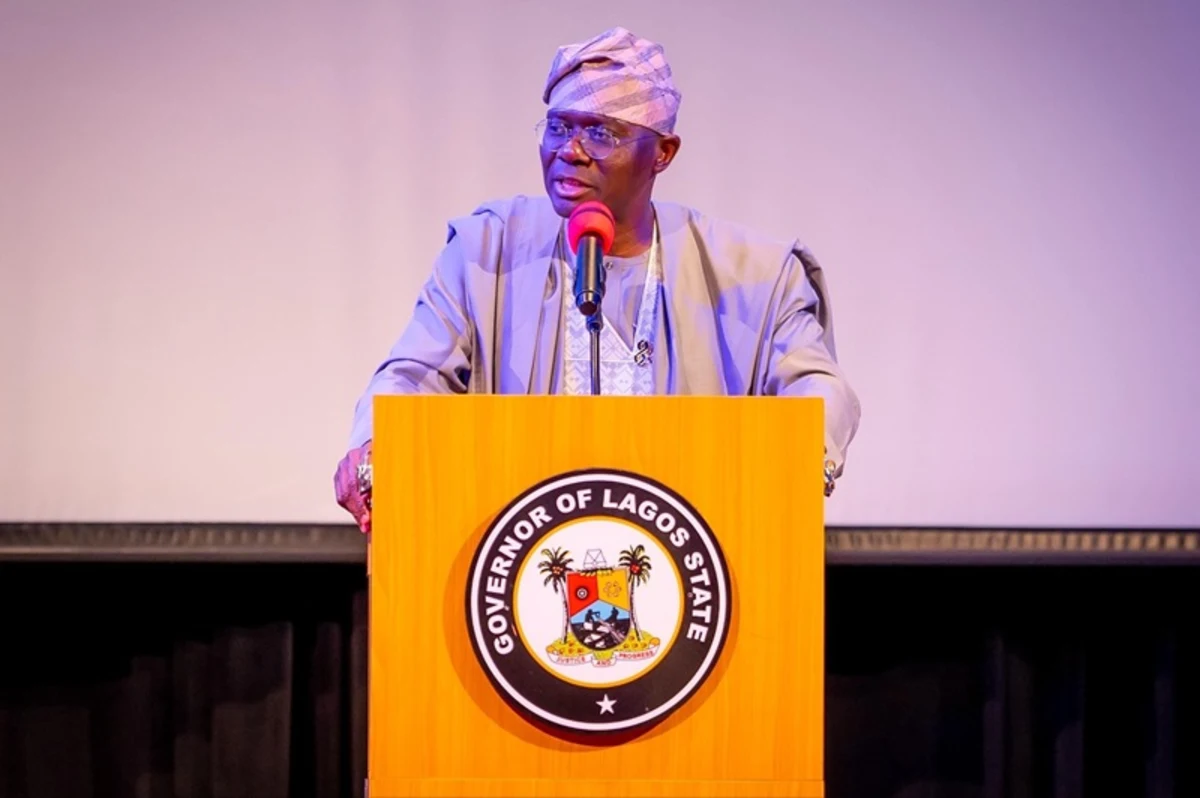
Lagos State has been crowned West Africa’s most climate-resilient city. The 2026 West Africa Climate Governance Index ranked Lagos first among 209 sub-national governments across the 15 ECOWAS member states. The state scored 86.3 out of 100, earning a Grade A. Governor Babajide Sanwo-Olu received the Grand Laureate of Climate Governance award for this achievement. The ranking assessed climate risk exposure, governance visibility, finance evidence, transparency, public participation, and implementation capacity.
The report highlighted Lagos’s comprehensive climate governance framework. Key policies include the Climate Change Act 2021, the National Council on Climate Change, Nationally Determined Contributions 3.0, and the Energy Transition Plan. These initiatives align with the United Nations Sustainable Development Goals and the African Union’s Agenda 2063. Despite this recognition, Nigeria remains vulnerable to climate challenges. Coastal flooding, erosion, desertification, extreme heat, and agricultural risks persist. The report noted that Lagos’s success contrasts sharply with systemic failures elsewhere in the country.
Lagos’s resilience stems from aggressive infrastructure investments. The state has built sophisticated drainage networks, shoreline protection projects like the Eko Atlantic sea wall, and electrified urban transit systems. The Lagos State Environmental Protection Agency voluntarily publishes monthly pollution and emissions data. This transparency is rare in African municipal governance. The state also enforces strict building regulations to prevent construction in flood-prone areas. These measures have reduced the impact of compound flooding, a convergence of heavy rainfall, rising sea levels, and tidal influences.
The Oshodi-Apapa Expressway gridlock exposes a critical contradiction in Lagos’s climate resilience narrative. While the state excels in policy and infrastructure, logistical failures reveal deep institutional fractures. The Nigerian Ports Authority, Lagos State Traffic Management Authority, and police operate without coordination. Truck drivers face arbitrary access schedules, while tank farm operators dispatch vehicles without confirming loading bay capacity. This chaos paralyzes the expressway, stranding billions of naira in industrial cargo and costing the economy daily revenue.
Corruption exacerbates the crisis. Comrade Hassan Adekoya, Special Assistant to the Lagos Governor on Transportation, blamed extortion by toll operators for the gridlock. Drivers pay exorbitant bribes to jump queues, creating artificial bottlenecks. Until this extortion economy is dismantled, infrastructure upgrades will fail. The report’s transparency contrasts with the opacity of port operations. While Lagos publishes climate data, port authorities operate without accountability. This duality undermines the state’s resilience claims. The gridlock is not just a traffic issue but a governance failure that threatens Nigeria’s economic viability.
The WACGI report offers a blueprint for other coastal cities. Mombasa and Dar es Salaam face similar climate threats, including rising sea levels and storm surges. Lagos’s model of governance visibility and finance evidence could attract international green financing. However, the Oshodi-Apapa crisis shows that resilience requires more than policy. It demands institutional synchronization. Kenya’s Standard Gauge Railway and inland container depots bypass road-based gridlock. Lagos must replicate this shift to rail and waterways. The state’s climate success is undeniable, but its logistical failures reveal a fragile system.
Lagos’s flood challenge is multi-dimensional. The city’s low-lying coastal topography makes it susceptible to compound flooding. Heavy rainfall, high tides, and storm surges overwhelm drainage systems. A 2026 flood susceptibility assessment found that 12% of Lagos’s land area lies in high-risk zones. Human behavior worsens the problem. Improper waste disposal clogs drains, while unregulated construction blocks natural water pathways. The Sanwo-Olu administration has invested N106 billion in drainage expansion, dredging, and stormwater infrastructure. Yet, civic responsibility remains critical. Residents must comply with waste disposal regulations and building codes.
The state’s alignment with global climate strategies is commendable. Governor Sanwo-Olu signed a Memorandum of Understanding with the Under2 Coalition during the London Climate Action Week 2026. This coalition of 180 subnational governments commits to net-zero emissions and climate-resilient economies. Lagos’s entry into this alliance signals its recognition of climate change as a present threat. However, the Oshodi-Apapa gridlock underscores the gap between policy and execution. The state’s climate resilience is built on transparency and infrastructure, but its logistical failures reveal systemic weaknesses that could unravel progress.