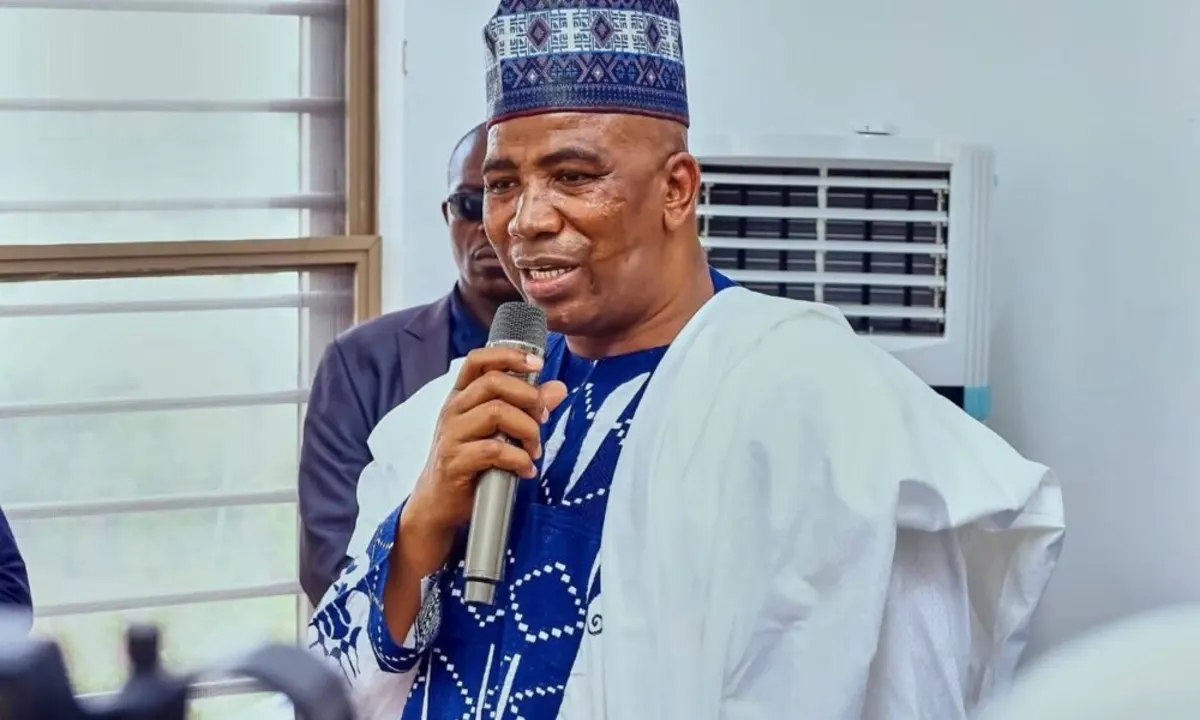
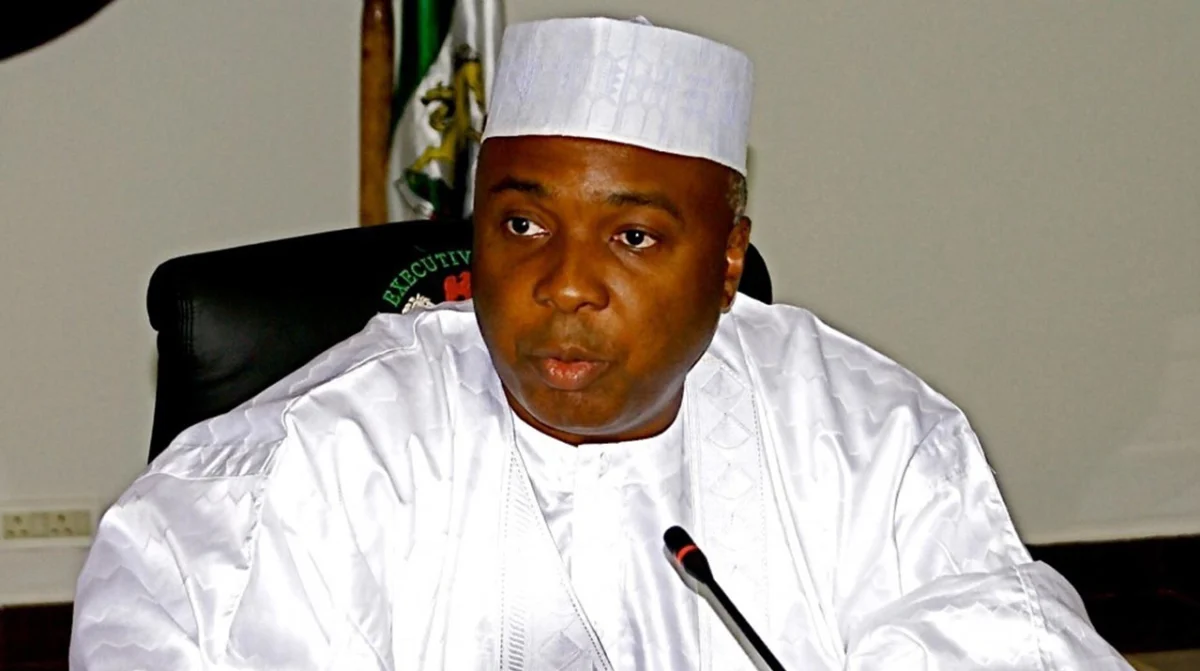
The Kwara State High Court in Ilorin has dismissed all preliminary objections raised by former Senate President Bukola Saraki in a criminal defamation case filed against him by Governor AbdulRahman AbdulRazaq. Justice M.O. Folorunsho ruled on July 3 that the court possesses both territorial and legal jurisdiction to proceed with the trial. The case has been adjourned to July 22 for Saraki’s arraignment.
The defamation charge stems from a social media post Saraki published on April 17. The state government alleges the post falsely claimed Governor AbdulRazaq did not complete secondary school education. Prosecutors argue the statement was insulting, derogatory, and capable of inciting public disorder. The offence is punishable under Section 399 of the Kwara State Penal Code.
Saraki’s legal team, led by Jimoh Mumini (SAN), had filed a motion challenging the court’s jurisdiction. The defence argued the case was improperly served, lacked legal basis, and constituted an abuse of court process. They insisted the matter was politically motivated and should be dismissed. However, Justice Folorunsho rejected these claims, stating the charge sheet and evidence did not support allegations of political bias.
The court’s ruling has exposed a critical gap in Nigeria’s legal framework for handling defamation cases involving public officials. Unlike civil defamation, which allows for monetary damages, criminal defamation carries potential jail time. This case marks the first high-profile prosecution under Kwara’s Penal Code in over a decade. Legal analysts warn it could set a precedent for how political opponents settle disputes outside electoral cycles.
Governor AbdulRazaq’s administration has faced mounting criticism over its handling of the case. Opposition parties accuse the government of weaponizing the judiciary to silence dissent. The governor’s office maintains the prosecution is a matter of public interest, not political vendetta. However, the timing—just months after Saraki’s public criticism of state policies—has fueled suspicions of retaliatory action.
The case also highlights the growing tension between free speech and reputational protection in Nigeria’s digital age. Saraki’s post was shared over 12,000 times across Facebook and X (formerly Twitter) within 48 hours. Legal experts note that social media amplifies defamation risks, yet Nigeria lacks clear guidelines for prosecuting online speech. This ambiguity leaves public figures vulnerable to both genuine harm and frivolous lawsuits.
Saraki’s legal team has vowed to appeal the jurisdiction ruling at the Court of Appeal. His media aide, Abdulganiyu Abdulquadir, stated the former Senate President remains confident in the judiciary’s independence. The appeal process could delay the trial by several months, prolonging the political fallout. Meanwhile, civil society groups have called for mediation, urging both parties to de-escalate tensions ahead of the 2027 elections.
The case has reignited debate over Nigeria’s defamation laws. Section 399 of the Kwara Penal Code, under which Saraki is charged, dates back to colonial-era legislation. Critics argue it is outdated and incompatible with modern democratic norms. The National Assembly has repeatedly failed to pass reforms that would decriminalize defamation, leaving states to enforce inconsistent standards. This legal patchwork creates uncertainty for journalists, activists, and politicians alike.
Beyond the courtroom, the case has deepened divisions within Kwara’s political landscape. Saraki, a two-term governor and former Senate President, remains a dominant force in the state’s opposition. His supporters view the prosecution as an attempt to weaken his influence ahead of the next election cycle. Governor AbdulRazaq’s allies counter that the case is about accountability, not politics. The standoff reflects broader national tensions as Nigeria approaches another election season.