
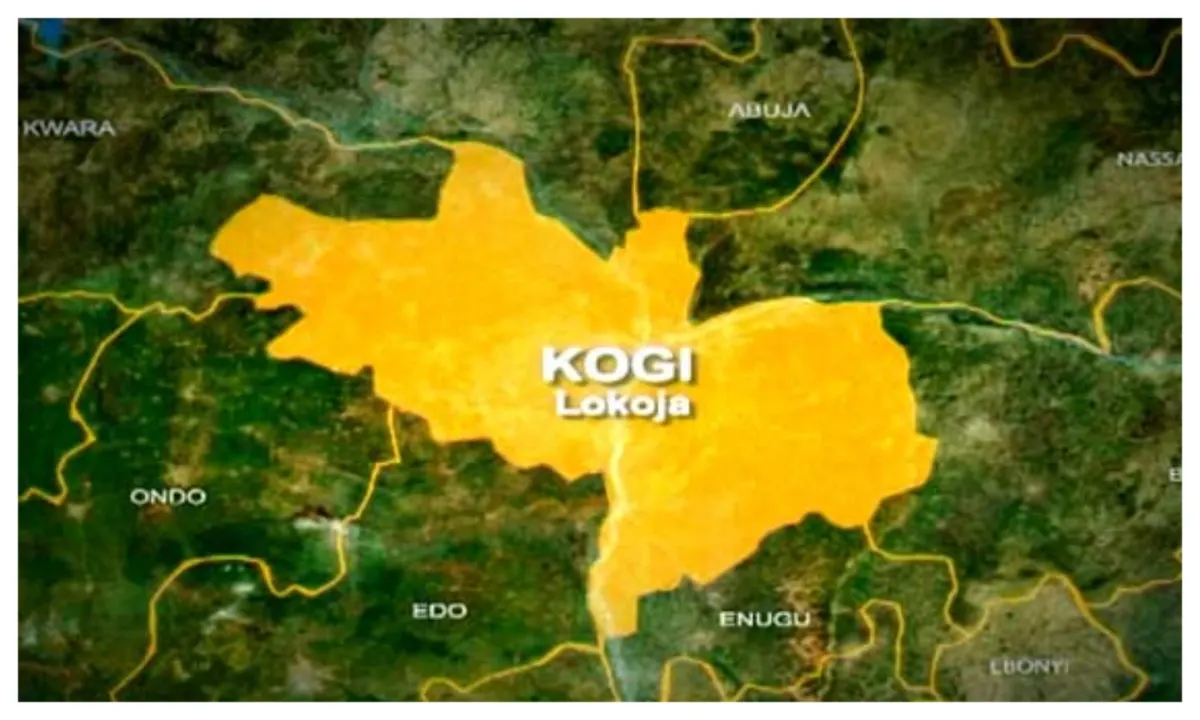
Kogi State Governor Ahmed Usman Ododo has secured the release of four abducted individuals, including two students, a school principal, and a National Examinations Council official. The victims were taken during a brazen attack on Government Secondary School, Odo-Ekina, in Dekina Local Government Area while NECO examinations were underway. The rescue operation unfolded within hours of the abduction, marking a rare swift response in Nigeria’s escalating kidnapping crisis.
The state government confirmed the rescue late Thursday. Commissioner for Information and Communications Kingsley Femi Fanwo revealed that Governor Ododo immediately activated a multi-agency task force led by the State Security Adviser, retired Commander Jerry Omodara. The operation involved the Nigerian Army’s 12 Brigade and 21 Battalion, the Department of State Services, the Nigeria Police Force, and local vigilante groups. Security forces saturated the forest surrounding Olowa, applying sustained pressure that forced the kidnappers to abandon their captives unharmed.
The victims—identified as the school principal, a NECO ad hoc staff member, and two students—were found in stable condition. They have since been transferred to a secure facility for medical evaluation and debriefing. Fanwo emphasized that the operation remains active, with security personnel still combing the forest to apprehend the fleeing kidnappers. "Our resolve is clear: anyone who chooses the path of crime in Kogi State will face the full weight of the law," he stated. The governor’s office also credited President Bola Tinubu for directing security chiefs to provide full support to the rescue effort.
This incident exposes a troubling pattern of targeting examination centers in Nigeria’s north-central region. In the past 18 months, at least seven similar abductions have occurred during WAEC or NECO exams in Kogi, Niger, and Nasarawa states. Unlike previous cases—where victims were held for weeks or ransom negotiations dragged on—the Kogi rescue stands out for its speed. Security analysts attribute this to the state’s recent investment in armored personnel carriers and real-time intelligence sharing between agencies. However, the recurring attacks on schools during exams reveal a systemic vulnerability in Nigeria’s education sector.
The Dekina abduction also raises questions about the security of NECO’s examination logistics. The council deploys ad hoc staff to remote centers, often without armed escorts. In this case, the NECO official was supervising exams when gunmen struck. While the council has not commented on the incident, sources within the education ministry confirm that NECO is reviewing its security protocols for rural centers. The attack occurred in Olowa, a community less than 30 kilometers from the state capital, Lokoja, underscoring how kidnappers now operate with impunity even near urban areas.
Governor Ododo’s administration has framed the rescue as proof of its zero-tolerance policy on crime. Yet, critics argue that reactive operations alone cannot address the root causes of kidnapping. Kogi’s forest corridors, which stretch into Benue and Nasarawa states, have become hideouts for criminal gangs. Local leaders in Dekina have repeatedly called for permanent military outposts in high-risk areas, but the state government has prioritized mobile response units instead. The success of the rescue operation may temporarily silence critics, but the absence of long-term preventive measures leaves communities vulnerable to future attacks.
The psychological impact on the rescued students and staff cannot be overlooked. NECO examinations are high-stakes assessments that determine university admissions and scholarships. The trauma of abduction could disrupt their academic performance, with potential long-term consequences for their careers. Education psychologists warn that repeated attacks on schools during exams may lead to widespread exam anxiety among students in high-risk states. The Kogi State Ministry of Education has not announced any counseling programs for the victims, raising concerns about the state’s preparedness to address the mental health fallout of such incidents.
This rescue operation also highlights the growing role of local vigilante groups in Nigeria’s security architecture. While the Nigerian Army and police led the operation, vigilantes provided critical intelligence on the kidnappers’ movements. In Kogi, these groups have become indispensable due to their knowledge of local terrain and networks. However, their involvement is not without controversy. Human rights organizations have documented cases of vigilantes exceeding their mandate, including extrajudicial killings. The state government’s reliance on these groups reflects the broader failure of formal security institutions to protect rural communities, but it also risks normalizing parallel security structures that operate outside legal oversight.