
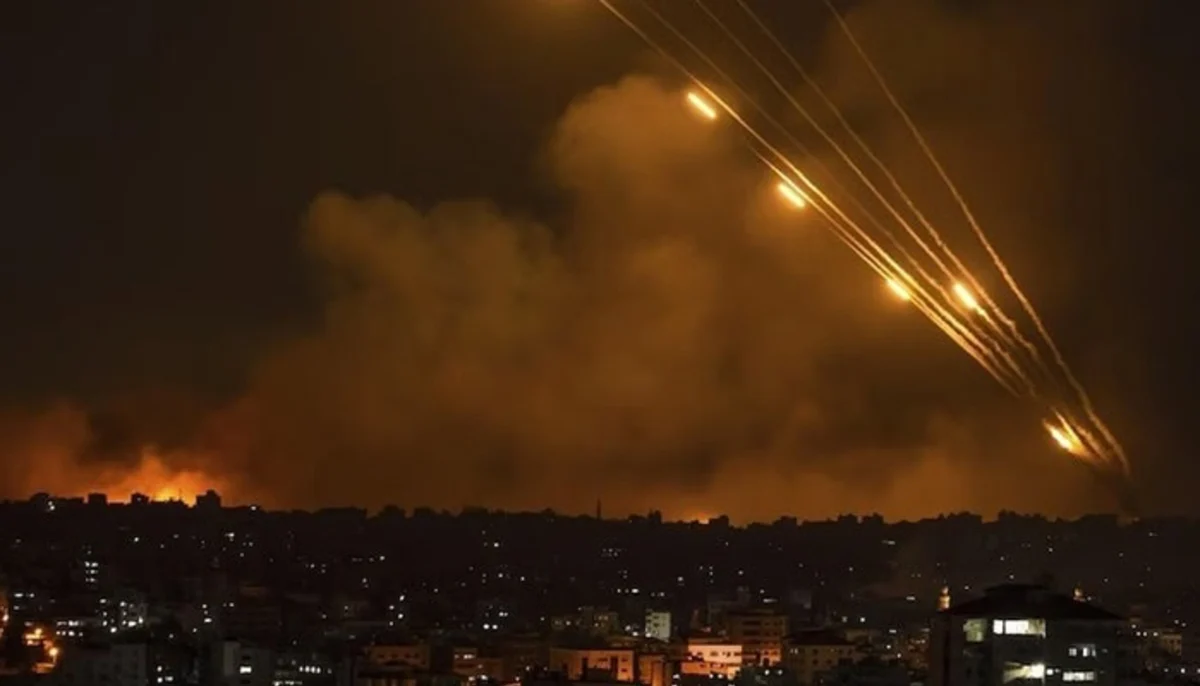
Iran launched ballistic missiles at Israel on Sunday. The attack came hours after Israeli airstrikes hit southern Beirut. Tehran said the operation targeted Ramat David Air Base in northern Israel. Warning sirens sounded across Haifa, Tiberias, and Nazareth. Millions of Israelis were ordered into shelters.
The Israeli military confirmed its air defence systems intercepted most incoming missiles. Schools and universities across northern Israel were shut. Iran closed its western airspace indefinitely. Iraq and Syria followed, suspending flights for 72 and 12 hours respectively. The U.S. Embassy in Tel Aviv instructed staff to shelter in place.
U.S. President Donald Trump called Israeli Prime Minister Benjamin Netanyahu. He urged restraint, warning retaliation could derail ongoing nuclear negotiations. Trump told Fox News a deal with Iran was close. He said Israel’s earlier Beirut strike was not coordinated with Washington. Iran’s Revolutionary Guards warned further Israeli action would trigger broader attacks on American and Israeli targets.
Lebanon’s health ministry reported two deaths and 20 injuries from the Israeli airstrikes. Hezbollah rejected a recent U.S.-brokered ceasefire. Iran’s military command accused Israel of expanding attacks from southern Lebanon into Beirut’s Dahieh suburb. The command said Israel had crossed all red lines and would face crushing retaliation if it continued.
The conflict disrupted global oil markets. Iran controls the Strait of Hormuz, a critical shipping route. Analysts warned the direct military exchange could draw in regional actors. The U.S. Central Command said American forces in the Middle East remained on high alert.