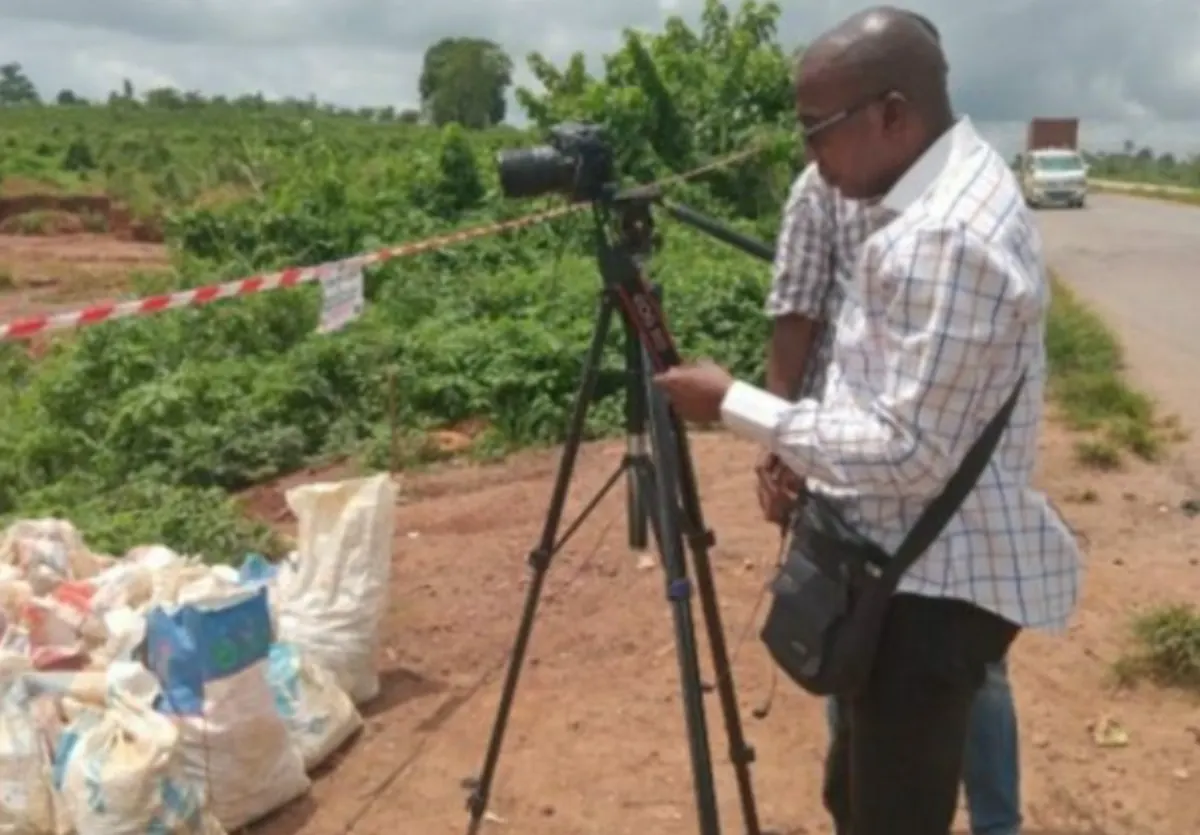
The Federal Government has launched a fresh offensive against illegal mining in Osun State. On July 12, 2026, a joint task force stormed an artisanal mining camp at Ileki-Ijesa along the Ile-Ife–Ilesa Road. Two suspects, Danladi Isa and Musa Kabiru, were arrested. Both men are casual workers in their twenties. They were caught with mining equipment and tools used for illegal gold extraction.
The operation was led by the Southwest Zonal Mines Officer, Ajibade Ganiyu. Security agencies and officials from the Federal Ministry of Solid Minerals Development carried out the raid. The task force dismantled operational bases and sealed the site under the Nigerian Minerals and Mining Act. Recovered items included two motorcycles, pumping machines, Lister generators, washing equipment, large hose pipes, gold-trapping carpets, and cutlasses. The suspects are assisting investigators to identify the sponsors behind the illegal operation.
Minister of Solid Minerals Development, Dele Alake, has declared the sanitization of the mining sector a national priority. Since the establishment of the Mining Marshals, over 300 illegal miners have been arrested. More than 150 prosecutions have been initiated, including cases involving foreign nationals. Alake warned that illegal mining fuels insecurity, deprives the nation of revenue, and undermines lawful miners. He called on local communities to partner with the government to protect mineral resources.
The Osun raid exposes a critical flaw in Nigeria’s mining enforcement strategy. The arrested suspects are low-level workers, not the financiers or sponsors driving the illegal trade. These casual laborers serve as expendable fronts for powerful backers who operate with impunity. The government’s focus on arresting foot soldiers while sponsors remain untouched reveals a systemic weakness. Without dismantling the financial networks, enforcement raids will only yield temporary results.
Illegal mining has severe environmental and economic consequences. The Ileki-Ijesa site, like many others across Nigeria, suffers from ecological damage. Unregulated mining contaminates water sources, destroys farmland, and disrupts local ecosystems. The use of mercury and toxic chemicals in gold extraction poses long-term health risks to nearby communities. Yet, the government’s response has been reactive. There is little evidence of sustained environmental rehabilitation or community engagement to address the fallout.
The economic impact of illegal mining extends beyond lost revenue. Nigeria’s solid minerals sector contributes less than 0.5% to the country’s GDP. Illegal mining distorts the market, discourages legitimate investment, and perpetuates informality. The government’s push for regulatory reforms, including the Mining Marshals, is a step forward. However, poverty, weak institutional oversight, and corruption remain root causes. Without addressing these, the sector will continue to be exploited.
Local communities play a pivotal but often overlooked role in combating illegal mining. Minister Alake has urged grassroots leaders to partner with the government. Yet, many communities lack the capacity or incentives to resist illegal miners. These operations often provide short-term economic benefits, making resistance difficult. Traditional rulers and local elites are sometimes complicit. Strengthening community-based monitoring and offering alternative livelihoods could reduce dependence on illegal mining.
The Osun raid highlights the need for better inter-agency collaboration. The operation involved coordination between the Ministry of Solid Minerals Development, security forces, and state officials. However, gaps in intelligence-sharing and jurisdictional conflicts often hamper such efforts. Agencies like the Nigeria Extractive Industries Transparency Initiative (NEITI) and the Economic and Financial Crimes Commission (EFCC) play roles in tracking illicit financial flows. A more integrated approach could enhance the government’s ability to dismantle illegal mining networks.