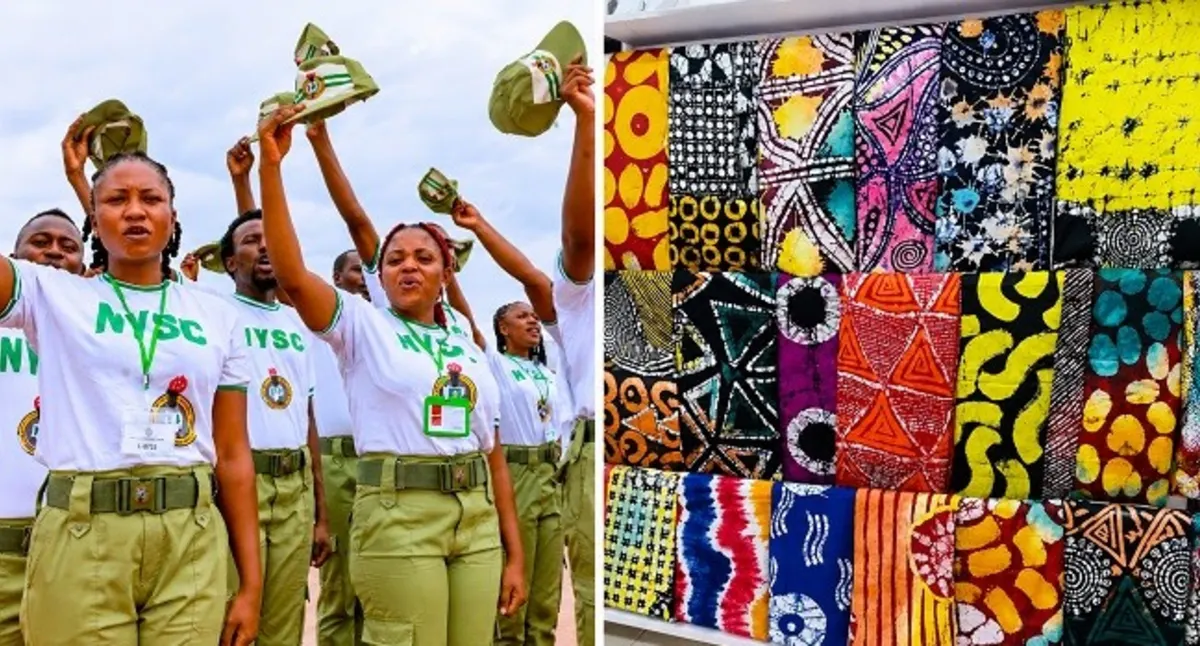
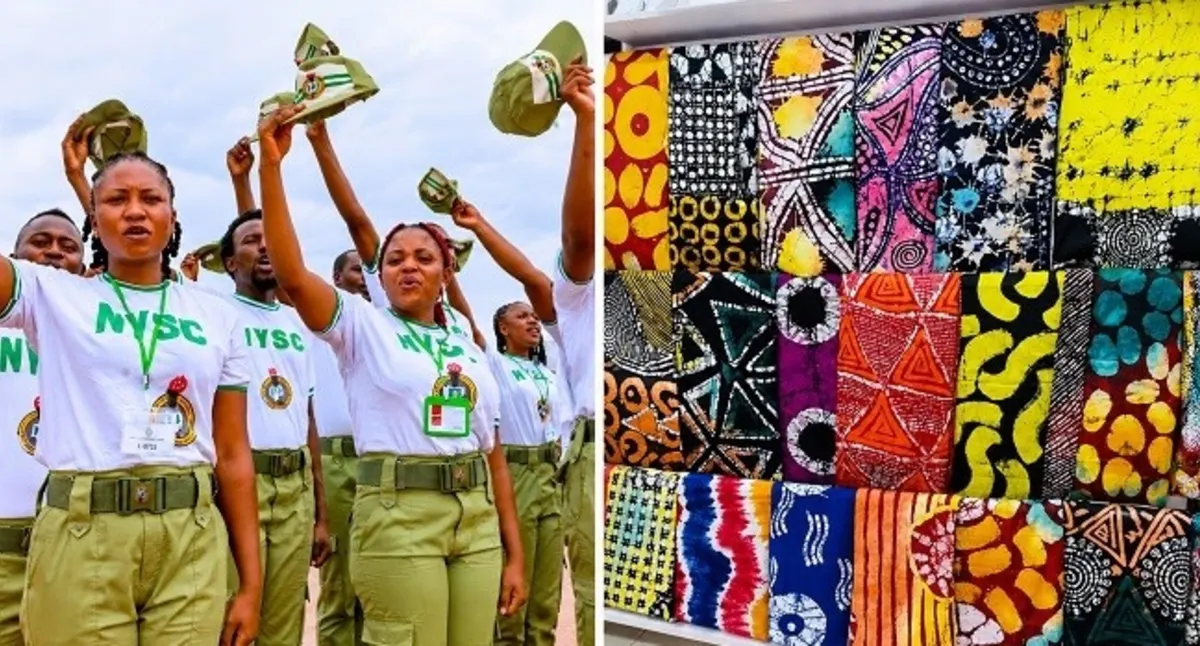
The Federal Government has walked back its proposal to replace the National Youth Service Corps (NYSC) khaki uniform with Adire fabric. Minister of Youth Development Ayodele Olawande issued a clarification on July 2, 2026, stating that no final decision had been made on the fabric or design of the NYSC uniform. The minister’s statement came after his earlier remarks on Channels Television triggered widespread public debate.
Olawande’s initial comments suggested that Adire—a traditional Yoruba tie-dye fabric—would replace the khaki uniform as part of broader NYSC reforms. The proposal was met with mixed reactions, with critics questioning the durability, cost, and symbolic significance of the change. In his follow-up statement, Olawande emphasized that Adire and Ankara were only examples of fabrics under consideration, not approved replacements. He reiterated that any decision would prioritize professionalism, national identity, durability, functionality, cost-effectiveness, and national pride.
The minister’s reversal highlights the government’s cautious approach to altering a national symbol that has remained unchanged since the NYSC’s establishment in 1973. The khaki uniform has become synonymous with the one-year mandatory service program, which deploys Nigerian graduates across the country to foster national unity. Olawande stressed that the uniform debate should not overshadow the broader objectives of the NYSC reforms, which include improving graduate employability, promoting entrepreneurship, and strengthening national integration.
The proposed uniform change was part of a larger reform package approved by the Federal Executive Council (FEC) on June 30, 2026. Other reforms include skills-based deployment of corps members, civilian leadership for the scheme, and amendments to the NYSC Act. The government’s stated goal is to modernize the program to align with contemporary labor market needs. However, the uniform controversy has dominated public discourse, revealing deep-seated attachments to the khaki as a unifying national emblem.
The criteria for selecting a new uniform reflect the government’s balancing act between symbolic change and practical considerations. Adire, while culturally significant, may not meet the durability and cost requirements for a program that deploys over 300,000 corps members annually across diverse climatic conditions. The minister’s statement underscored that any decision would undergo extensive stakeholder consultations to ensure it serves the best interests of the NYSC and the nation.
The uniform debate also exposes the broader challenges of reforming the NYSC, a program with over 50 years of history. The government’s reform agenda seeks to address long-standing criticisms, such as the program’s relevance in an era of high youth unemployment. The proposed skills-based deployment aims to align corps members’ assignments with their fields of study, enhancing their employability. However, the uniform controversy risks diverting attention from these substantive changes, which could have a more significant impact on the program’s effectiveness.
Olawande’s clarification also sheds light on the government’s broader policy formulation process. The initial announcement of the uniform change lacked detailed public consultation, a recurring criticism of the current administration. The minister’s follow-up statement sought to reassure Nigerians that the reform process would be inclusive and transparent. He emphasized that the government remains committed to making the NYSC more relevant to today’s realities, including improving service delivery and creating a smoother transition from education to productive careers.
The NYSC uniform debate underscores the sensitivity of altering national symbols. The khaki uniform is not just a piece of clothing but a representation of the program’s mandate to foster national cohesion. The government’s cautious approach reflects an awareness of the potential backlash from stakeholders who view the uniform as an integral part of the NYSC’s identity. As the reform process continues, the government will need to navigate these symbolic and practical challenges to ensure the program’s continued relevance and effectiveness.