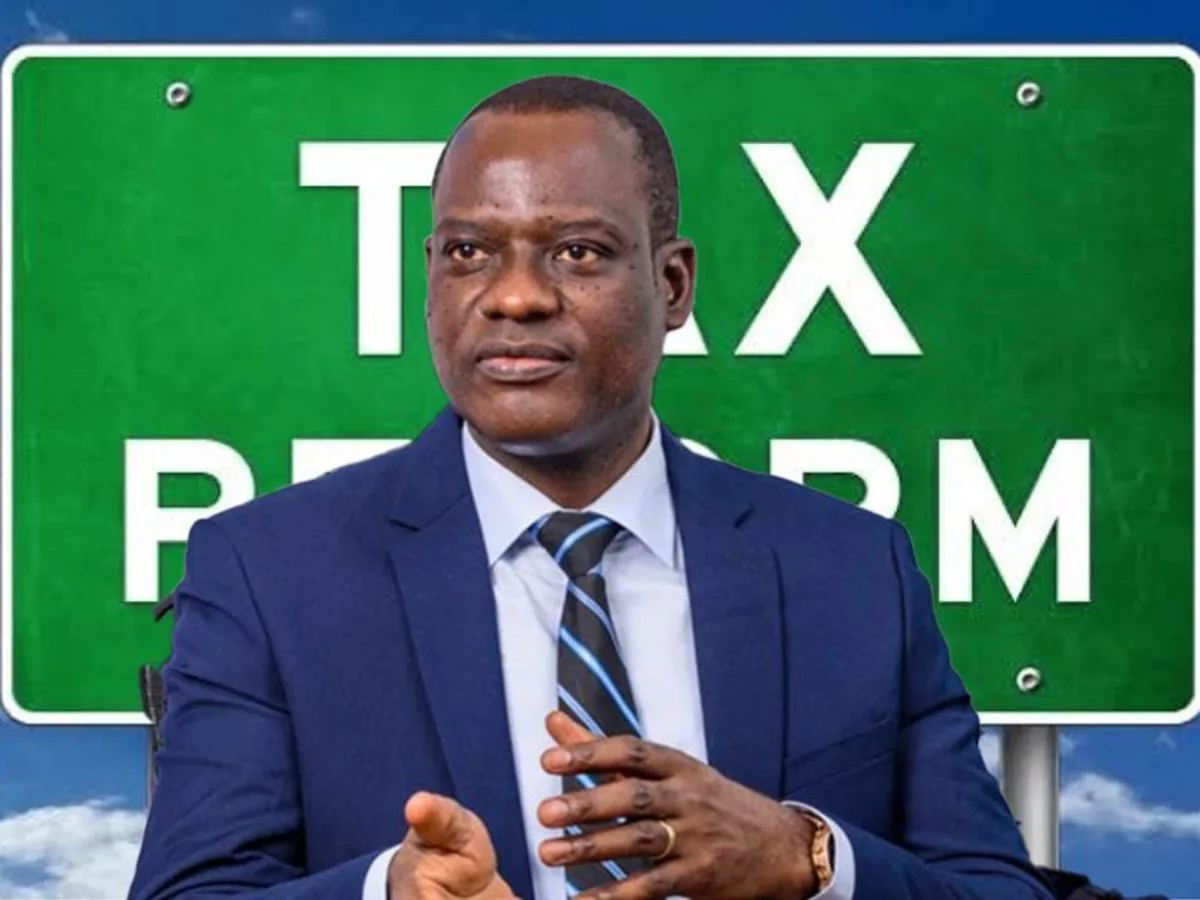
The Federal Government has dismissed allegations of spending N8 trillion outside the approved 2026 budget, calling the claims a misinterpretation of the International Monetary Fund’s Article IV Consultation Report. Finance Minister Taiwo Oyedele stated that all expenditures comply with constitutional provisions and National Assembly approvals. He accused critics of distorting technical observations to fuel public distrust.
Oyedele’s response followed remarks by IMF Resident Representative Christian Ebeke, who noted that about 2% of Nigeria’s GDP—equivalent to N8 trillion—was “underreported” in fiscal accounts. The minister clarified that the IMF’s concern centered on reporting standards, not illegal spending. He cited Sections 80 to 83 and 162 of the 1999 Constitution, which mandate that all public funds be withdrawn and spent through Appropriation Acts or supplementary laws. No critic, he added, has identified a single project executed without legislative approval.
The dispute exposes a critical gap between Nigeria’s fiscal framework and international reporting practices. While the government insists on constitutional compliance, the IMF’s observation highlights discrepancies in how expenditures are classified. Statutory transfers, first-line charges, and intervention mechanisms—such as allocations to development commissions and debt service—are legally established but may appear differently under global standards. This mismatch has led to accusations of a “shadow budget,” which the government denies.
The controversy also underscores systemic challenges in Nigeria’s budgetary oversight. Multi-year capital projects, executed under approved rollover provisions, are a key point of contention. Critics argue these provisions create loopholes for unchecked spending, while the government maintains they are lawful and disclosed. The IMF did not challenge their legality but called for clearer reporting—a nuance lost in public debate. This defense mirrors past administrations’ responses to fiscal scrutiny, revealing persistent institutional weaknesses.
President Bola Tinubu’s administration has pushed reforms to align Nigeria’s budget presentation with international standards. Oyedele noted these efforts have earned praise from the IMF, credit rating agencies, and investors. However, the N8 trillion allegations threaten to undermine public trust, particularly amid rising food prices and fuel shortages. The government’s sensitivity to perceptions of financial mismanagement reflects broader concerns about economic stability and foreign investment.
The National Assembly’s role in budget oversight has come under renewed scrutiny. While Oyedele emphasized compliance with legislative approvals, the complexity of Nigeria’s fiscal framework often leads to misinterpretations. The IMF’s call for a single, harmonized budget framework—echoed by Tinubu during the 2026 budget presentation—aims to simplify the system. Yet, implementation delays fuel skepticism about the government’s commitment to transparency. Opposition figures and civil society groups have seized on the controversy, demanding granular fiscal disclosures.
The credibility of Nigeria’s fiscal data is now in question. The IMF’s report did not provide a breakdown of the N8 trillion figure, leaving room for speculation. Oyedele’s challenge to critics to identify specific unauthorized projects highlights the lack of concrete evidence behind the allegations. Yet, the absence of detail has not stopped the narrative from gaining traction. For Nigerians grappling with inflation and economic hardship, the debate is not just technical—it raises doubts about whether public funds are being used to alleviate suffering or lost in bureaucratic opacity.
The government’s reforms must go beyond legal compliance to restore public confidence. Transparency alone is insufficient; financial practices must be accessible and understandable to citizens. Failure to address these concerns risks further eroding trust in institutions and undermining Nigeria’s economic recovery. The N8 trillion controversy is a test of whether the administration can bridge the gap between fiscal governance and public accountability.